Home & Garden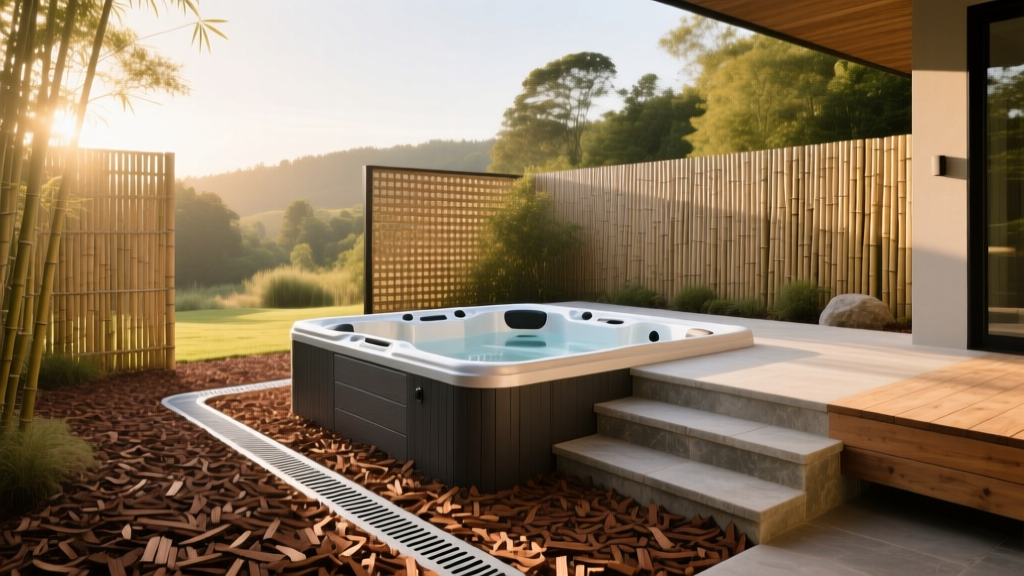
2026 Hot Tub Landscaping: Mulch, Privacy & Drainage
Lisa ThompsonPublished
The 2026 Hot Tub Oasis: Why Mulch and Drainage Matter
When designing a luxury outdoor retreat in 2026, the hot tub is often the centerpiece. However, the transition from the spa to the surrounding garden is where many landscaping projects fail. Splashing water, poor soil grading, and exposed sightlines can quickly turn a relaxing soak into a muddy, fishbowl-like experience. Bridging the gap between hardscaping and softscaping requires a strategic approach to mulching methods and materials. By selecting the right mulch, integrating robust drainage planning, and establishing lush privacy screens, you can create a seamless, low-maintenance sanctuary that bridges indoor comfort with outdoor beauty.
The 2026 Mulch Matrix: Selecting Materials for Wet Environments
Not all mulch is created equal, especially in the high-moisture environment surrounding a hot tub. Traditional shredded hardwood mulches, while cheap, tend to break down rapidly when exposed to constant splashing, chlorinated water, and heavy foot traffic. In 2026, landscape architects are leaning heavily toward specialized materials that offer superior drainage, zero splinter risks, and high resistance to mold and decay.
| Material | Drainage Rate | Splinter Risk | Bug Resistance | Est. Cost (per cu ft) |
|---|---|---|---|---|
| Shredded Hardwood | Moderate | High | Low | $4.50 |
| Cedar Chips | Good | Moderate | High | $6.00 |
| Recycled Rubber | Excellent | Zero | High | $8.50 |
| River Rock (3/4 inch) | Excellent | Zero | High | $7.00 |
As noted by the University of Minnesota Extension, organic mulches like cedar and pine bark are excellent for regulating soil temperature and retaining moisture for surrounding plantings. However, for the immediate splash zone (the first 3 to 4 feet around the hot tub shell), inorganic options like recycled rubber or river rock are vastly superior. Rubber mulch, in particular, has seen a surge in eco-friendly manufacturing in 2026, offering a soft, barefoot-friendly surface that never rots, floats away, or attracts termites.
Privacy Screen Plantings: The Mulch Base Strategy
A hot tub is only as relaxing as the privacy it affords. In 2026, the trend has shifted away from artificial privacy screens and toward living walls using fast-growing, dense evergreens like Thuja 'Green Giant' or clumping bamboo varieties such as Fargesia murielae. To ensure these privacy screens thrive, the mulching method at their base is critical.
When planting your privacy hedge, avoid the dreaded volcano mulching technique, which piles mulch against the trunk and invites rot. Instead, employ the donut method. Lay down a 2-to-3-inch layer of premium cedar or pine bark mulch starting a few inches away from the root flare and extending out to the drip line. This method preserves soil moisture, suppresses weeds that would otherwise compete with your privacy screen, and creates a clean, uniform visual boundary.
For bamboo privacy screens, a heavier mulch like large pine bark nuggets or a decorative river rock border is recommended. Bamboo rhizomes can be aggressive, and a thick, heavy mulch layer combined with a buried rhizome barrier helps manage growth while maintaining a polished aesthetic. Integrating a smart drip irrigation system beneath the mulch layer ensures your privacy screen receives deep, targeted watering without washing the mulch away or adding excess humidity to your hot tub seating area.
Drainage Planning: Hiding French Drains Under Aesthetic Mulch
Hot tubs displace a massive amount of water, and routine draining or heavy splashing can lead to waterlogged soil, foundation erosion, and muddy runoff. Proper drainage planning is non-negotiable. The most effective solution is a French drain system, but the challenge lies in concealing it within your landscape design.
According to landscaping experts at This Old House, a standard French drain involves a perforated pipe surrounded by gravel to redirect subsurface water. To integrate this into your hot tub landscaping, excavate a trench sloping away from the spa at a minimum grade of 1 inch per 8 feet. Line the trench with heavy-duty geotextile fabric to prevent soil intrusion.
Once the perforated PVC pipe and base gravel are installed, you have a design choice for the top layer. Instead of leaving the gravel exposed, which can look industrial, cap the drain with 2 inches of decorative river rock or color-coated recycled rubber mulch. This allows surface water from splashing to percolate rapidly through the mulch, into the gravel, and down into the drain pipe, all while maintaining a cohesive, luxurious look that matches the rest of your garden beds.
Step-by-Step Installation: The Splash Zone and Privacy Border
To achieve a professional-grade finish, follow this 2026-standard installation protocol for your hot tub perimeter:
1. Grade and Excavate
Ensure the soil slopes away from the hot tub base. Excavate a 6-inch deep trench around the perimeter where the mulch beds will sit.
2. Install the Drainage Core
Lay the geotextile fabric and perforated drain pipe in the lowest-lying areas of the trench, connecting to a daylight exit or dry well.
3. Lay the Weed Barrier
Over the non-drainage areas, deploy a permeable, woven geotextile weed barrier. Avoid solid plastic sheeting, which traps water and creates a muddy slip hazard.
4. Apply the Base Layer
Add a 2-inch base layer of crushed gravel or coarse sand to promote rapid water percolation.
5. Top with Your Chosen Mulch
Apply 2 to 3 inches of your selected surface mulch. Use recycled rubber for the high-traffic entryways and river rock or cedar chips for the planted privacy screen borders.
Seasonal Mulch Maintenance and Winterization
Maintaining the integrity of your mulch beds through changing seasons is vital for long-term drainage performance. In autumn, falling leaves can mat down organic mulches like cedar, reducing their permeability and causing water to pool near the hot tub's electrical components. Utilizing a modern, high-torque cordless leaf blower on a low setting is the best way to clear debris from river rock and rubber mulch without displacing the material. If you live in a region with heavy snowfall, avoid using metal shovels near the hot tub's edge; opt for plastic snow pushers to prevent scraping and displacing the rubber or stone mulch layers. Come spring, a quick top-dressing of 1 inch of fresh cedar mulch in the privacy screen plant beds will replenish organic matter and keep the landscape looking pristine.
Maintenance and Smart Home Integration
Maintaining a hot tub landscape in 2026 is easier than ever thanks to smart home integration. By connecting your garden's irrigation system to a smart controller, you can ensure your privacy screen plants receive the exact amount of water they need based on local weather forecasts, preventing overwatering that could compromise your mulch beds. Furthermore, integrating low-voltage, smart LED pathway lights into the mulch borders not only enhances safety when entering the hot tub at night but also highlights the textural contrast between the privacy hedges and the mulch materials.
Ultimately, the success of your hot tub landscaping relies on viewing mulch not just as a decorative topping, but as a functional component of your drainage and privacy strategy. By choosing the right materials and installing them with precision, your outdoor spa will remain a pristine, private retreat for years to come.
