Home & Garden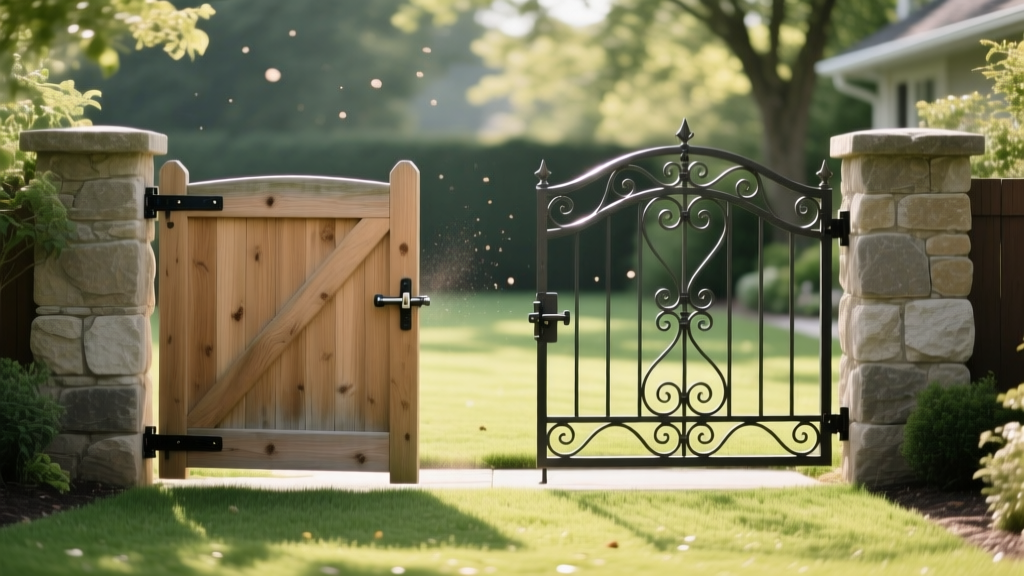
Cedar vs Wrought Iron Gates 2026: Tree Webworm Control Guide
Emily WatsonPublished
The Intersection of Perimeter Design and Tree Webworm Control
When designing a garden entrance in 2026, homeowners often focus purely on aesthetics and security. However, if your landscape features mature deciduous trees like pecan, cherry, or mulberry, you must also consider the seasonal impact of tree webworms. The fall webworm (Hyphantria cunea) and the eastern tent caterpillar are notorious for creating massive, unsightly silk tents in the forest canopy. While Penn State Extension notes that these pests rarely cause long-term fatal damage to healthy trees, the collateral mess they create on the ground below can be a nightmare for your hardscaping and garden entrances.
If your garden gate sits beneath or near an infested canopy, it will bear the brunt of the fallout. Choosing between a cedar wood gate and a wrought iron gate—both equipped with reliable self-closing hinges—requires a deep understanding of how these materials interact with pest debris, biological sprays, and Integrated Pest Management (IPM) protocols. This comprehensive 2026 guide breaks down the best gate materials and hardware configurations to keep your garden secure, clean, and optimized for tree webworm control.
Understanding the Webworm Fallout: Frass, Webbing, and Sprays
To choose the right gate material, you must first understand what it will endure during an outbreak. Tree webworms are voracious eaters. As they consume foliage, they drop continuous showers of frass (caterpillar excrement), which is highly acidic and can stain porous materials. Furthermore, discarded silk webbing drifts down from the canopy, sticking to surfaces and trapping dust, pollen, and secondary pests like aphids.
Effective tree webworm control in 2026 relies heavily on targeted, eco-friendly treatments rather than broad-spectrum chemical bombs. According to the University of Kentucky Entomology Department, the gold standard for treatment is Bacillus thuringiensis var. kurstaki (Btk), a biological insecticide that specifically targets caterpillars while leaving beneficial insects unharmed. Additionally, horticultural oils and neem-based sprays are frequently used to smother overwintering eggs. These treatments, while safe for the environment, can leave oily residues on your garden gate. Your gate material must be able to withstand frequent power washing and exposure to these organic pest-control agents without degrading, warping, or rusting.
Cedar Garden Gates: Aesthetic Appeal vs. Porous Maintenance
Western Red Cedar has long been a premium choice for garden gates due to its natural resistance to rot, insect damage, and beautiful aromatic profile. In 2026, modern kiln-dried cedar gates offer exceptional dimensional stability, meaning they won't warp when exposed to the heavy watering and humidity typical of late-summer webworm season.
However, cedar is inherently porous. When acidic webworm frass and sticky honeydew accumulate on unsealed cedar, the stains can penetrate deeply into the wood grain. If you are actively spraying your canopy with neem oil or Btk, overspray can leave a greasy film on the gate that attracts dirt and wind-blown silk webbing. To combat this, cedar gates require a rigorous sealing schedule. Using a 2026 eco-friendly, water-based penetrating oil sealant will help create a hydrophobic barrier that allows you to rinse away frass and biological sprays with a standard garden hose.
Another consideration is weight. A solid privacy cedar gate is heavy, which places immense stress on hinges. If you are managing a garden where you need to keep wildlife out to protect your IPM monitoring traps, a heavy cedar gate must be paired with heavy-duty, adjustable spring hinges to ensure it latches securely every single time.
Wrought Iron Gates: Durability and the Scrollwork Trap
Wrought iron (and modern powder-coated steel alternatives that mimic wrought iron) offers a completely non-porous surface. From a purely sanitary perspective, wrought iron is vastly superior for gardens situated beneath webworm-prone trees. When frass, webbing, and Btk overspray coat a metal gate, a quick blast from a pressure washer will strip the debris away in seconds, leaving no stains behind.
The primary drawback of wrought iron in a pest-heavy environment lies in its design. Traditional wrought iron gates feature ornate scrollwork, finials, and tight geometric patterns. Tree webworm silk is incredibly strong and sticky; wind-blown webbing will easily wrap around these decorative elements, requiring tedious manual removal with a wire brush or stiff bristle broom. If you opt for metal in 2026, landscape architects heavily recommend choosing a wrought iron gate with a minimalist, vertical-bar design. This eliminates the horizontal crevices where webbing and frass tend to accumulate.
Furthermore, Clemson University HGIC emphasizes the importance of maintaining tree health and surrounding structures during pest outbreaks. While metal won't rot from pest debris, the constant moisture trapped by thick layers of wet webbing can accelerate rust on older or poorly coated iron gates. Ensuring your gate features a 2026-rated thermoset powder coating is essential for long-term resilience against both the elements and the acidic nature of caterpillar waste.
Why Self-Closing Hinges are Non-Negotiable for IPM
When executing a tree webworm control strategy, your garden is essentially an active management zone. You may be releasing beneficial predatory insects, setting up pheromone traps, or applying localized soil drenches. If your garden gate is left open by a distracted family member or a gust of wind, larger wildlife such as deer, rabbits, and stray neighborhood pets can wander in. These animals will trample your delicate monitoring equipment, disturb the soil treatments, and disrupt the ecological balance you are trying to maintain.
A high-quality self-closing hinge is your first line of defense. In 2026, the market is dominated by advanced, weather-sealed hinge systems. The D&D Technologies LokkLatch Delta 3 remains a top-tier choice for both cedar and wrought iron gates, offering adjustable closing tension and a magnetic latch that secures the gate even if the ground shifts seasonally. For heavier, oversized cedar privacy gates, the Mighty Mule MM371W automated dual-arm closer ensures the gate shuts with enough force to overcome the wind resistance of a solid wood panel, guaranteeing your pest-management perimeter remains unbroken.
2026 Material Comparison Chart: Cedar vs. Wrought Iron
| Feature | Cedar Wood Gate | Wrought Iron Gate (Minimalist) |
|---|---|---|
| Frass Stain Resistance | Low (Requires immediate rinsing and annual sealing) | High (Non-porous, easily power-washed) |
| Webbing Snag Factor | Moderate (Snags on wood grain and hardware) | Low (if vertical bar design); High (if ornate scrollwork) |
| Reaction to Btk / Neem Oil | Absorbs oils; may require degreasing cleaners | Resists oils; simple soap and water cleanup |
| Hinge Compatibility | Requires heavy-duty strap hinges or dual-arm closers | Compatible with standard magnetic self-closing hinges |
| Average 2026 Installed Cost | $1,200 - $2,800 | $1,800 - $4,500 |
Step-by-Step Cleanup and Maintenance Protocol
To maintain your gate during the peak of the late-summer and early-autumn webworm season, follow this actionable maintenance protocol:
- Weekly Rinsing: Use a garden hose with a high-pressure nozzle to blast away fresh frass before it has a chance to dry and bond to the surface. For cedar, use a wide spray pattern to avoid etching the wood grain.
- Webbing Removal: Do not use your bare hands, as webworm silk can harbor secondary fungal spores or cause mild contact irritation. Use a stiff-bristled nylon brush to roll and lift the silk off wrought iron bars or cedar panels.
- Biological Spray Cleanup: If your gate is in the direct line of fire when you spray the canopy with Btk or horticultural oils, wash the gate within 24 hours using a mild, biodegradable dish soap and warm water. This prevents the oil from breaking down the protective UV sealants on cedar or the powder coating on iron.
- Hinge Lubrication: Webworm frass is essentially fine, abrasive dust. It can easily work its way into the mechanical joints of your self-closing hinge. Every two weeks during an outbreak, use a dry PTFE (Teflon) lubricant spray on your hinge pins. Avoid wet oils like WD-40, which will act as a magnet for falling frass and webbing, eventually gumming up the self-closing mechanism.
Conclusion
Designing a garden gate in 2026 requires looking beyond the property line and up into the canopy. While cedar offers unparalleled natural beauty and privacy, its porous nature demands rigorous maintenance when faced with the acidic frass and sticky webbing of tree webworms. Wrought iron, particularly in modern, minimalist designs, provides a far more sanitary and easily cleaned surface for gardens situated beneath infested trees. Regardless of the material you choose, integrating a high-tension, weather-sealed self-closing hinge is an absolute necessity to protect your Integrated Pest Management strategies from wandering wildlife. By aligning your hardscaping choices with your tree care realities, you can maintain a pristine, secure, and ecologically balanced garden entrance all season long.
