Home & Garden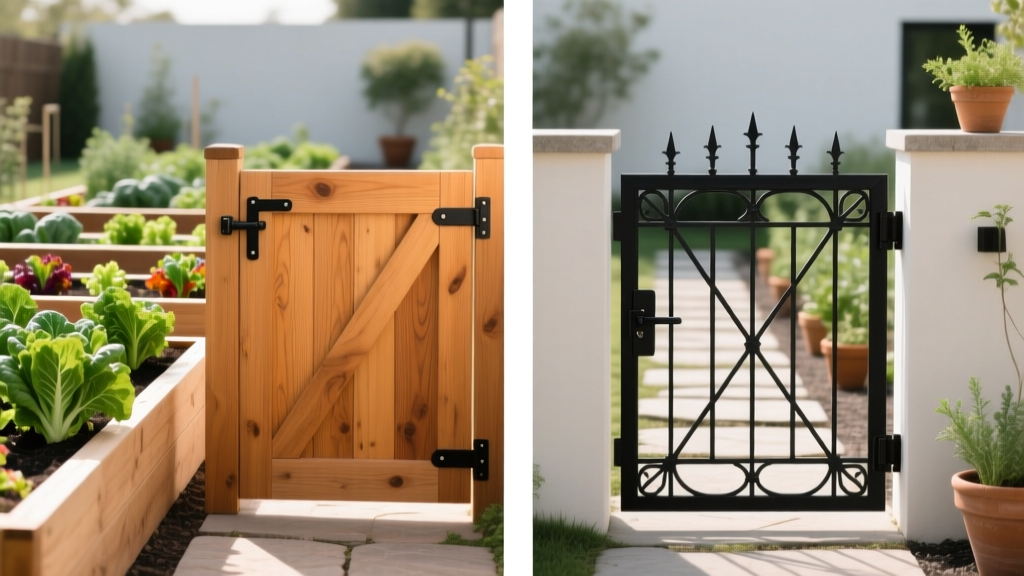
2026 Garden Gate Guide: Cedar vs Wrought Iron for Raised Beds
James MillerPublished
Securing Your Raised Bed Vegetable Garden in 2026
As we map out our garden layouts for the 2026 growing season, the focus for many home growers remains squarely on raised bed vegetable gardening. Raised beds offer superior soil drainage, earlier warming in the spring, and ergonomic benefits for planting and harvesting. However, concentrating your nutrient-rich soil, premium compost, and heirloom seeds into a defined space also creates an irresistible buffet for local wildlife. From deer and rabbits to neighborhood pets, your raised beds need protection. This is where the right garden gate design becomes a critical component of your garden's infrastructure.
Choosing between a cedar garden gate and a wrought iron garden gate is not just an aesthetic decision; it directly impacts the microclimate, sunlight penetration, and pest exclusion capabilities of your vegetable garden. Furthermore, integrating a reliable self-closing hinge is non-negotiable for busy gardeners. In this comprehensive 2026 guide, we will break down the pros and cons of cedar versus wrought iron gates, explore the latest self-closing hardware, and provide actionable design tips tailored specifically for raised bed vegetable gardens.
The Raised Bed Buffet: Why Gate Security Matters
Raised bed vegetable gardens are inherently more vulnerable to certain types of pest pressure than traditional in-ground rows. Because the soil is elevated and often edged with wood or stone, it provides a convenient stepping stone for smaller critters like groundhogs and rabbits. Meanwhile, the rich organic matter frequently used to fill raised beds attracts foraging animals from miles away. According to wildlife management experts at the Old Farmer's Almanac, deer are particularly adept at targeting concentrated garden spaces, and a physical barrier is often the only 100% effective deterrent.
Your gate is the weakest link in your garden's perimeter fencing. If the gate sags, leaves a gap at the bottom, or fails to latch, your raised beds are left exposed. Therefore, the material you choose must withstand the elements, resist warping that could create pest entry points, and integrate seamlessly with your raised bed pathways.
Why a Self-Closing Hinge is Non-Negotiable for Veggie Growers
Picture this: It is peak harvest season in late summer. Your hands are full of heavy zucchini, ripe tomatoes, and baskets of delicate herbs. You nudge the garden gate open with your hip, walk toward your raised beds, and realize the gate never latched behind you. Within minutes, a stray dog or a family of rabbits has wandered in and begun decimating your tender lettuce greens.
A self-closing hinge eliminates human error. When you are hauling heavy bags of organic fertilizer, pushing a wheelbarrow full of mulch, or carrying flats of seedlings, you cannot afford to stop and manually latch a gate. Self-closing hardware ensures that the perimeter of your raised bed garden is instantly re-secured the moment you pass through, maintaining a continuous barrier against pests.
Cedar Garden Gates: The Organic Aesthetic
Western Red Cedar has long been the gold standard for outdoor garden structures, and it remains a top choice in 2026 for gardeners who want their gate to match their cedar raised beds. Cedar contains natural oils and thujaplicins, which act as built-in fungicides and insect repellents. This means a cedar gate will resist rot and decay without the need for chemical sealants that could potentially leach into your organic vegetable soil.
Pros of Cedar for Raised Bed Gardens
- Aesthetic Cohesion: If your raised beds are constructed from cedar, a matching gate creates a unified, natural look that blends beautifully with the surrounding landscape.
- Wind and Sun Protection: A solid cedar gate can act as a minor windbreak, protecting delicate seedlings in nearby raised beds from harsh spring winds.
- Privacy: Keeps your garden layout and harvest hidden from passersby.
Cons of Cedar
- Shading: A solid wood gate can cast shadows on adjacent raised beds, potentially reducing the daily sunlight hours for sun-loving crops like peppers and tomatoes.
- Maintenance: While naturally rot-resistant, cedar will weather to a silvery-gray over time. To maintain its rich amber color, it requires periodic sealing with a UV-protectant, food-safe oil.
- Weight and Sagging: Cedar is heavy. Without proper cross-bracing (like a Z-frame or diagonal truss), a wide cedar gate will eventually sag, creating a gap at the bottom that rabbits can easily exploit.
Wrought Iron Garden Gates: The Ultimate Pest Fortress
When we talk about "wrought iron" gates in 2026, we are generally referring to modern, powder-coated galvanized steel or heavy-duty aluminum alloys designed to mimic traditional wrought iron. These metal gates are incredibly popular for vegetable gardens because they offer maximum visibility and airflow while providing an impenetrable barrier to larger pests.
Pros of Wrought Iron for Raised Bed Gardens
- Maximum Sunlight Penetration: Unlike solid wood, an open wrought iron design casts minimal shade. This ensures that raised beds situated near the garden entrance receive uninterrupted, full-spectrum sunlight.
- Superior Airflow: Good air circulation is vital for preventing fungal diseases like powdery mildew and blight, which frequently plague densely planted raised beds. An iron gate allows breezes to flow freely through the garden.
- Unmatched Durability: Modern powder-coated steel will not warp, rot, or sag. The bottom clearance remains consistent year after year, keeping out burrowing animals.
Cons of Wrought Iron
- Lack of Wind Protection: Offers no shelter for delicate transplants during early spring storms.
- Heat Conductivity: Metal gates can become very hot to the touch in the peak of summer, which might be uncomfortable when reaching for the latch.
- Aesthetic Clash: The industrial look of black iron may clash with the rustic, natural charm of wooden raised beds and organic mulch pathways.
2026 Material Comparison Chart: Cedar vs. Wrought Iron
To help you decide which material best suits your specific raised bed layout, review the comparison table below based on current 2026 market data and gardening standards.
| Feature | Cedar Wood Gate | Wrought Iron / Steel Gate |
|---|---|---|
| Estimated Cost (Standard 40" Gate) | $250 - $450 | $300 - $600 |
| Lifespan | 15 - 25 Years | 30 - 50+ Years |
| Sunlight Penetration | Low (Solid Panel) | High (Open Picket) |
| Airflow / Disease Prevention | Low | Excellent |
| Sagging Risk | Moderate to High | Very Low |
| Raised Bed Aesthetic Match | Excellent (for wood beds) | Moderate (better for stone/metal beds) |
Sizing Your Gate for Wheelbarrow and Harvest Access
A common mistake in raised bed garden design is installing a gate that is too narrow. According to the Oregon State University Extension guide to raised bed gardening, pathways between raised beds should be at least 3 to 4 feet wide to accommodate kneeling, bending, and equipment. Your gate must reflect this spatial requirement.
A standard garden wheelbarrow is approximately 24 to 30 inches wide at its broadest point. However, you need clearance to maneuver without clipping the gate posts or spilling your precious compost. Always install a gate that is a minimum of 36 to 42 inches wide. If your main pathway is 4 feet wide, a 48-inch double gate or a single 48-inch heavy-duty gate is highly recommended to ensure smooth transport of soil amendments, mulch, and large harvest bins.
Choosing the Right Self-Closing Hinge for Heavy Garden Use
Not all self-closing hinges are created equal. The hardware you select must account for the weight of the gate, the frequency of use, and the outdoor environment. Experts at Bob Vila recommend selecting hinges specifically rated for exterior, heavy-duty use to prevent premature failure. Here are the top self-closing mechanisms for 2026:
1. Adjustable Tension Spring Hinges
These are the most common and cost-effective self-closing hinges. They feature an internal spring and an adjustment screw that allows you to increase or decrease the closing force. For a heavy cedar gate, you will likely need two or three spring hinges stacked vertically to provide enough torque to pull the gate shut and engage the latch securely. Ensure you purchase stainless steel or zinc-plated models to resist rust from morning dew and irrigation splash.
2. Gravity Hinges
If your garden is built on a slope, or if the ground beneath your raised beds is uneven, gravity hinges are a brilliant solution. They utilize the natural weight of the gate and an angled pivot point to force the gate closed automatically. They are incredibly durable because they rely on physics rather than mechanical springs, making them virtually maintenance-free.
3. Hydraulic Soft-Close Hinges
A premium option gaining traction in high-end 2026 landscape designs, hydraulic hinges close the gate slowly and silently. This is particularly useful if your garden gate is near a patio or outdoor living space, as it prevents the loud "bang" of a heavy cedar or iron gate slamming shut, which can disrupt the tranquility of your outdoor oasis.
Smart Latches and Garden Integration
The 2026 garden tech ecosystem has expanded beyond smart irrigation. Today, you can pair your self-closing hinge with a solar-powered smart magnetic latch. These latches automatically engage when the gate swings shut and can send an alert to your smartphone if the gate is left ajar or forced open. For the dedicated raised bed vegetable gardener, this peace of mind is invaluable, ensuring that your months of hard work are protected from nocturnal foragers even if a family member forgets to check the latch.
Final Thoughts on Garden Gate Design
Ultimately, the choice between cedar and wrought iron for your raised bed vegetable garden gate depends on your specific site conditions. If your garden suffers from poor air circulation and you need to maximize every ray of sunlight for your tomatoes and peppers, a wrought iron gate is the superior choice. If you prioritize a cohesive, natural aesthetic and need a windbreak for your early spring transplants, a well-braced cedar gate is the way to go. Whichever material you choose, investing in a high-quality, heavy-duty self-closing hinge will ensure your garden remains a secure, thriving sanctuary for your vegetables season after season.
