Home & Garden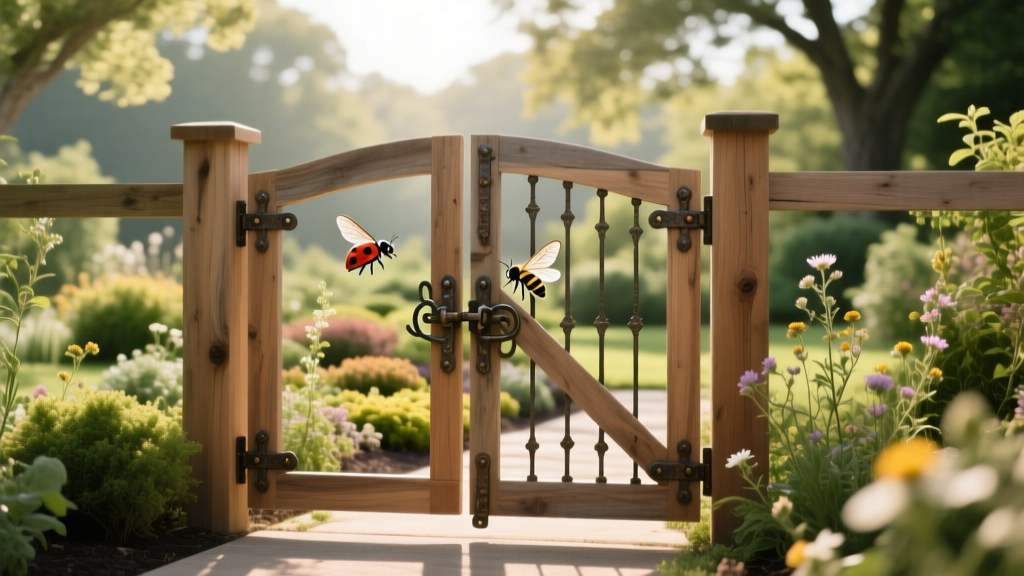
Cedar vs Iron Gates 2026: Bio-Control & Self-Closing Hinges
Robert HayesPublished
The 2026 Garden Gate: Where Hardscaping Meets Ecology
As we navigate the 2026 gardening season, the modern landscape is no longer just about aesthetics; it is a fully integrated, living ecosystem. Homeowners and landscape architects are increasingly prioritizing bio-control—the use of beneficial insects and natural predators to manage garden pests—over synthetic chemical interventions. However, many gardeners overlook a critical piece of hardscaping that directly impacts the success of their bio-control efforts: the garden gate. Specifically, the choice between cedar and wrought iron, combined with the integration of a self-closing hinge, plays a surprisingly vital role in nurturing or hindering your local beneficial insect populations.
Whether you are trying to protect a delicate patch of dill that attracts parasitic wasps, or safeguarding ground-nesting bumblebees from foraging deer, your gate is the first line of ecological defense. Let us explore how cedar and wrought iron garden gates compare through the lens of beneficial insects and bio-control, and why a self-closing hinge is an absolute necessity for the modern eco-conscious garden.
The Self-Closing Hinge: A Biosecurity Necessity
Before comparing wood and metal, we must address the hardware. A self-closing hinge (such as the heavy-duty, adjustable models from D&D Technologies or MightyHinge) is not merely a convenience to stop the wind from slamming your gate; it is a crucial biosecurity measure. According to the EPA's Integrated Pest Management (IPM) principles, physical exclusion is the foundational first step in any sustainable pest management strategy.
When a garden gate is left ajar, it invites vertebrate pests such as deer, rabbits, and stray dogs. These animals do more than eat your host plants; they physically disrupt the micro-habitats required by beneficial insects. Ground-nesting bees, which make up a significant portion of native pollinators and bio-control agents, build their nests in undisturbed soil near garden entrances. A gate left open invites foot traffic and animal paws that collapse these vital nesting tunnels. A reliable self-closing hinge ensures the ecological boundary remains intact 100% of the time, maintaining the stable microclimate and physical security that beneficial insects require to thrive.
Cedar Gates: The Bio-Control Champion
Western Red Cedar has long been a staple in outdoor structures, but its value in 2026 extends far beyond its resistance to rot. From a bio-control perspective, an untreated cedar gate acts as a functional extension of the garden's habitat.
Thermal Insulation and Overwintering Havens
Beneficial insects like ladybugs, green lacewings, and certain solitary bees require sheltered, thermally stable environments to overwinter or escape the peak heat of summer days. Cedar is a natural insulator. Unlike metal, it does not absorb and radiate extreme heat, meaning insects resting on the shaded side of a cedar gate will not be subjected to lethal thermal spikes. Furthermore, the natural grain, checking (small cracks), and soft texture of untreated cedar provide ideal crevices for overwintering insects. Solitary bees, such as mason bees, are known to seek out soft, weathered wood to scout for potential nesting cavities.
Mounting Bio-Control Infrastructure
Cedar is exceptionally easy to modify. If you want to attach a 'bee block' (a wooden block drilled with varying hole sizes for solitary bees), a lacewing shelter, or a trellis for beneficial-attracting vines like sweet alyssum or creeping thyme, cedar accepts screws and nails without compromising its structural integrity. You can seamlessly integrate these bio-control features directly into the gate's design, turning a simple boundary into a thriving insect hotel.
Wrought Iron Gates: Durability vs. Ecological Friction
Wrought iron offers undeniable elegance, superior longevity, and excellent visibility, allowing you to monitor your garden's bio-control progress from the outside. However, when viewed strictly through the lens of insect ecology, bare metal presents distinct challenges that must be mitigated in 2026's increasingly warm climate.
The Thermal Conductivity Problem
Wrought iron is highly thermally conductive. On a sunny 90-degree summer day, a dark-colored, powder-coated wrought iron gate can easily exceed 130°F on its surface. Any beneficial insect that lands on the metal to rest or hunt will quickly perish from heat stress. Furthermore, wrought iron offers zero natural crevices for overwintering. It is an ecological dead zone in terms of providing shelter.
Mitigating Metal for Bio-Control
If your landscape design demands the look of wrought iron, you can still make it bio-control friendly. The solution is to integrate cedar slats or bamboo screening into the lower half of the iron frame. This provides the necessary thermal break and shelter for insects while maintaining the iron's structural security against larger pests. Additionally, training a dense, beneficial-attracting vine like native clematis or honeysuckle over the ironwork will shade the metal, lower its surface temperature, and provide nectar for predatory hoverflies and parasitic wasps.
Material Comparison Chart: Cedar vs. Wrought Iron
| Feature | Cedar Gate (Untreated) | Wrought Iron Gate | Bio-Control Impact |
|---|---|---|---|
| Thermal Properties | Insulating; stays cool | Highly conductive; gets very hot | Cedar protects resting insects from heat stress; iron requires shading. |
| Overwintering Habitat | High (natural crevices) | None (smooth surfaces) | Cedar supports ladybugs and solitary bees; iron offers no shelter. |
| Modification Ease | Very easy to drill/mount | Difficult; requires welding | Cedar allows easy attachment of insect hotels and beneficial planters. |
| Visibility | Low (solid barrier) | High (see-through) | Iron allows visual monitoring of pest/beneficial ratios from outside. |
| Pest Exclusion | Excellent (solid barrier) | Good (depends on spacing) | Both work well with a self-closing hinge to stop vertebrate pests. |
Designing Your Gate for Maximum Beneficial Insect Activity
Regardless of whether you choose cedar or wrought iron, the physical dimensions and mesh integrations of your gate dictate which organisms can enter your garden. The Xerces Society for Invertebrate Conservation emphasizes that habitat connectivity is vital for mobile bio-control agents like predatory beetles and parasitoid wasps.
The 1/2-Inch Hardware Cloth Rule
If you are building a cedar gate with a window, or a wrought iron gate with lower mesh, use 1/2-inch galvanized hardware cloth. This specific measurement is the golden rule for 2026 garden gates. It is small enough to exclude rabbits and groundhogs, which will decimate your garden and disrupt ground-nesting insect habitats. However, it is completely open to beneficial insects. Parasitic wasps, lady beetles, lacewings, and native pollinators will pass through 1/2-inch mesh without any restriction, ensuring your garden remains a connected node in the local ecological web.
Creating a Beneficial Planting Border
Your gate should not exist in a vacuum. The area immediately flanking the gate is prime real estate for bio-control planting. Because a self-closing hinge prevents the gate from swinging wildly into the garden beds, you can safely plant right up to the hinge line. Establish a 'welcome mat' of insectary plants. Yarrow, dill, fennel, and sweet alyssum are excellent choices. These plants produce tiny, clustered flowers that provide accessible nectar for the short mouthparts of parasitic wasps and hoverflies—the exact predators you want guarding your garden's entrance.
Eco-Friendly Hinge Maintenance
Self-closing hinges require periodic lubrication to maintain their tension and prevent squeaking. Be highly selective about the lubricants you use in 2026. Avoid petroleum-based oils like WD-40, which can drip onto the soil and harm beneficial soil-dwelling organisms, including entomopathogenic nematodes that naturally control grub populations. Instead, use a biodegradable, plant-based lubricant or a dry PTFE spray that will not leach toxic residues into the adjacent garden beds.
Conclusion: Securing the Ecosystem
The garden gate is the threshold between the wild and the cultivated. By understanding the ecological implications of your hardscaping choices, you can turn a simple boundary into a bio-control asset. Cedar emerges as the superior choice for directly supporting beneficial insect life cycles through thermal insulation and overwintering habitats. Wrought iron remains a viable option for those prioritizing visibility and longevity, provided it is shaded and modified to prevent thermal harm to insects. Above all, the inclusion of a high-quality self-closing hinge is non-negotiable. It ensures that your garden remains a protected sanctuary, keeping destructive vertebrate pests out while allowing the tireless, beneficial insects to freely patrol and pollinate your 2026 garden. For more tips on creating a welcoming habitat, explore the National Wildlife Federation's Garden for Wildlife program to certify your eco-friendly landscape.
