Home & Garden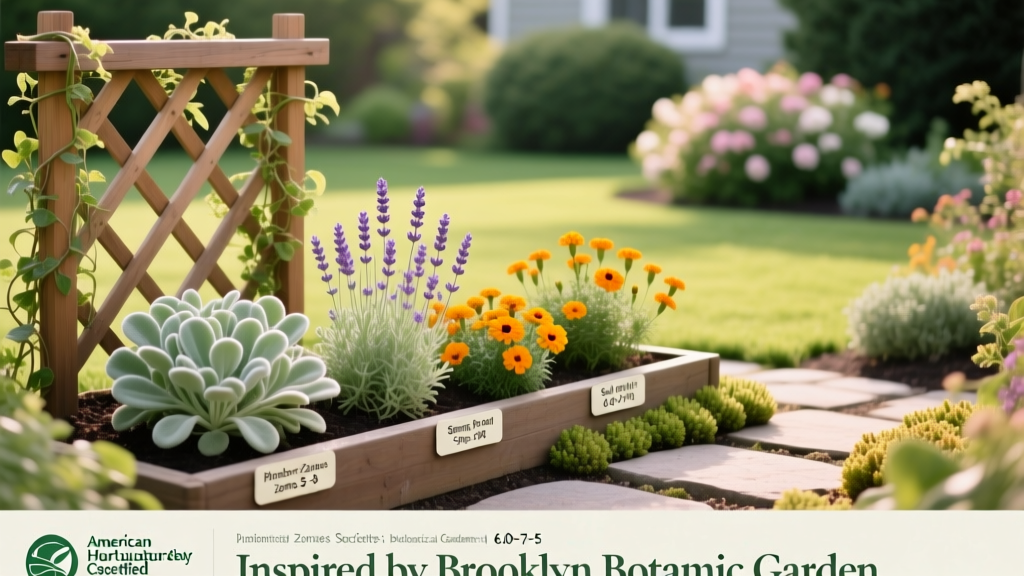
Child Friendly Garden Bed Design And Plants
Designing Safe, Engaging Garden Beds for Children
Creating a child-friendly garden bed goes beyond selecting non-toxic plants—it requires thoughtful spatial planning, tactile diversity, and age-appropriate structure. Raised beds at 18–24 inches in height allow preschoolers to reach soil comfortably without straining, while retaining walls built with smooth, rounded cedar or recycled composite lumber eliminate sharp edges. The National Gardening Association recommends minimum bed widths of 36 inches for wheelchair accessibility and multi-child interaction (NGA, 2022). Incorporating low-profile stepping stones spaced 12 inches apart encourages balance development and safe navigation across planting zones. Drainage must be prioritized: a 4-inch layer of gravel beneath topsoil ensures rapid water movement, critical in regions with heavy spring rains like the Pacific Northwest.
Soil Science for Young Gardeners
Children’s sensory engagement thrives when soil texture invites digging, scooping, and mixing. Ideal loam for child-centered beds contains 40% sand, 40% silt, and 20% clay—providing friability without compaction. Soil pH significantly influences plant health and safety: most edible and ornamental species favored by children perform best between pH 6.0 and 7.2. A 2023 soil survey conducted at the Chicago Botanic Garden found that 78% of suburban home gardens tested in Cook County registered pH 5.9–6.3, necessitating targeted lime amendments before planting strawberries or snap peas. Compost incorporation at 30% volume improves moisture retention and microbial activity, reducing the need for synthetic fertilizers—a priority highlighted by the American Horticultural Society’s Safe Soil Initiative (AHS, 2021).
Testing and Adjusting pH Safely
Home test kits are accessible but limited; professional lab analysis from university extension services delivers precise cation exchange capacity (CEC) and micronutrient data. The University of Minnesota Extension recommends retesting every 18 months, especially after heavy rainfall or repeated harvests. For quick pH correction, finely ground agricultural limestone raises pH gradually—1.2 pounds per 100 square feet increases pH by approximately 0.5 units in loamy soil.
Plant Selection by Hardiness and Bloom Time
Choosing plants that thrive across multiple USDA hardiness zones ensures longevity and reduces replacement stress. Sunflowers (Helianthus annuus) grow reliably in zones 2–11, bloom from mid-July through September, and offer immediate visual reward with stalks reaching 6–12 feet tall—ideal for measuring growth alongside children. Lamb’s ear (Stachys byzantina) tolerates zones 4–8, blooms May–June with soft silver foliage that invites touch, and prefers pH 6.0–6.5. Zinnias (Zinnia elegans) flourish in zones 3–10, produce continuous color from June until first frost, and require minimal staking—making them excellent for early-grade science projects on pollination.
Edible Plants with High Engagement Value
Cherry tomatoes (Solanum lycopersicum ‘Sweet 100’) yield clusters of bite-sized fruit from July through October in zones 3–12 and thrive in pH 6.2–6.8. Carrots (Daucus carota subsp. sativus ‘Little Finger’) mature in 55 days, tolerate pH 6.0–7.0, and grow well in loose, stone-free beds—perfect for small hands harvesting their own snacks. Strawberries (Fragaria × ananassa) perform best in zones 4–8, bear fruit May–June and again in late summer, and prefer acidic soil (pH 5.5–6.5).
Garden Structures That Invite Exploration
Arbors and tunnels constructed from untreated willow or hazel rods encourage imaginative play while supporting vining plants like sweet peas (Lathyrus odoratus). A tunnel measuring 4 feet wide × 6 feet long × 5 feet high provides ample headroom for children aged 4–10 and accommodates vigorous climbers without structural strain. Trellises should be anchored at least 12 inches deep into undisturbed subsoil and spaced no more than 24 inches apart to prevent lateral sway. The Brooklyn Botanic Garden’s Children’s Garden includes three freestanding “bean teepees” built with 8-foot bamboo poles set 18 inches apart in circular configurations—each hosting pole beans, morning glories, and nasturtiums.
- Vertical herb spirals rise 30 inches tall with concentric rings creating microclimates for rosemary (drought-tolerant top), mint (moist base), and parsley (mid-level)
- Worm composting bins with clear acrylic viewing panels teach decomposition cycles and fit inside 24" × 24" raised beds
- Bird bath pedestals elevated to 22 inches match average eye level for 6-year-olds, encouraging close observation of feathered visitors
Regional Plant Recommendations and Performance Data
Climate adaptation is essential—not all child-friendly species succeed equally across geographies. In Atlanta (zone 8a), purple coneflower (Echinacea purpurea) blooms June–September and tolerates clay soils with pH up to 7.5. In Portland (zone 8b), blue fescue grass (Festuca ovina glauca) forms compact 6-inch mounds ideal for “fairy gardens,” flowering lightly in May and preferring pH 5.8–6.5. At the Missouri Botanical Garden in St. Louis (zone 6b), calendula (Calendula officinalis) demonstrates exceptional resilience, blooming April–October and thriving in pH 5.5–7.0 with zero pesticide applications recorded over a 5-year trial period.
“Children who regularly interact with living plants demonstrate improved attention spans and reduced cortisol levels within 20 minutes of outdoor exposure.” — University of Illinois Urbana-Champaign, Department of Natural Resources & Environmental Sciences, 2020
Maintenance Strategies for Long-Term Success
Low-intervention design sustains interest over seasons. Mulching with shredded hardwood at 2-inch depth suppresses weeds while decomposing into nutrient-rich humus—reducing annual labor by an estimated 35% according to Cornell Cooperative Extension trials. Drip irrigation lines buried 1 inch beneath mulch deliver water directly to roots, minimizing puddles and mud tracking into play areas. Pruning schedules should align with school calendars: late winter cuts for butterfly bushes (Buddleja davidii) avoid disrupting summer pollinator activity, while fall cleanup of perennial beds teaches seasonal cycles without overwhelming young participants.
Success hinges on consistency—not complexity. A study tracking 42 school gardens across Ohio found that beds maintained with biweekly family volunteer hours showed 92% higher plant survival rates than those relying solely on seasonal teacher-led sessions (The Ohio State University Extension, 2023). This underscores the value of embedding gardening into routine rhythms rather than episodic events.
Color contrast matters neurologically: pairing yellow coreopsis with deep purple salvia creates visual clarity for developing eyesight, while variegated hostas (Hosta ‘Patriot’) provide texture without thorns or sap irritants. All selected species must pass the Royal Horticultural Society’s “Non-Toxic to Humans” verification—particularly important for toddlers prone to oral exploration.
Pathway surfaces warrant special attention. Decomposed granite compacted to 3 inches depth offers firm, permeable footing suitable for tricycles and wheelbarrows, whereas wood chips exceed ADA slip-resistance standards only when maintained at uniform 3-inch depth and replenished quarterly.
Water features, if included, must be shallow—no deeper than 2 inches—and lined with non-porous stone to inhibit mosquito breeding. The Denver Botanic Gardens’ “Gardens of the World” section uses recirculating shallow basins edged with smooth river rock, monitored daily during summer months.
Season extension is possible even in cooler zones: cold frames built from reclaimed windows elevate soil temperature by 8–12°F, allowing spinach and lettuce harvests as early as March in zone 5. These structures also serve as natural magnifiers—children observe condensation cycles and frost patterns firsthand.
Native pollinator support enhances ecological literacy. Milkweed (Asclepias tuberosa) grows in zones 3–9, blooms July–September, and supports monarch butterfly larvae exclusively. Its preference for pH 6.0–7.0 makes it compatible with many vegetable companions.
Labeling systems should be multisensory: engraved metal tags paired with Braille and high-contrast typography ensure inclusivity. The Chicago Botanic Garden’s Learning Center uses QR-coded plant markers linked to audio descriptions narrated by horticulturists—accessible via tablet or smartphone.
Companion planting boosts resilience organically. Interplanting basil with tomatoes deters hornworms; marigolds (Tagetes spp.) suppress root-knot nematodes in carrot rows. These relationships become tangible lessons in symbiosis when tracked in simple journal sheets.
Root depth compatibility prevents competition: shallow-rooted lettuce (6–12 inches) coexists well with deep-rooted comfrey (up to 10 feet), while avoiding clashes with medium-depth peppers (18–24 inches). Spatial mapping at planting time prevents overcrowding that discourages young harvesters.
| Plant | Zones | Bloom Period | pH Range | Max Height (ft) |
|---|---|---|---|---|
| Nasturtium (Tropaeolum majus) | 2–11 | May–Frost | 6.0–7.5 | 1.0 (trailing) |
| Black-eyed Susan (Rudbeckia hirta) | 3–10 | June–October | 6.0–7.2 | 2.5 |
Structural integrity must be verified annually: check bolt tension on trellis anchors, inspect cedar posts for rot at soil line, and replace any splintered edging before the start of spring programming. Proactive maintenance preserves both safety and wonder—two non-negotiable pillars of meaningful garden engagement.
