Home & Garden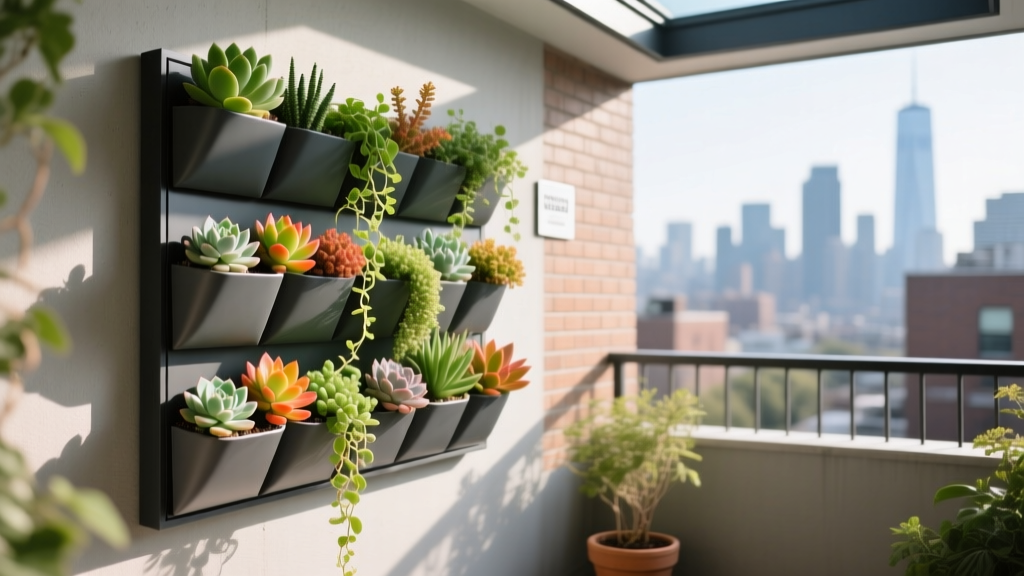
How To Build A Wall Mounted Pocket Garden For Urban Patios
Designing the Structural Framework
A wall-mounted pocket garden transforms underutilized vertical space into a thriving micro-ecosystem. Begin with load-bearing assessment: most standard brick or concrete walls support up to 150 pounds per square foot, but always consult a structural engineer before installation. For urban patios with limited floor area—typically under 100 square feet—the ideal pocket system measures 36 inches wide × 48 inches tall × 6 inches deep, accommodating three to five planting pockets spaced 12 inches apart vertically. Use galvanized steel or marine-grade aluminum frames rated for outdoor exposure; avoid untreated wood, which degrades within 18–24 months in coastal zones (USDA Hardiness Zone 10a). Mount brackets at stud intervals no greater than 16 inches on center to prevent sagging. The Chicago Botanic Garden’s 2022 Urban Vertical Gardening Pilot confirmed that frame rigidity directly correlates with long-term plant survival—92% of installations with reinforced corner bracing remained fully functional after three growing seasons.
Selecting Climate-Appropriate Ornamental Plants
Plant selection must align precisely with your USDA Hardiness Zone and local microclimate. In Zone 7b (e.g., Richmond, VA), dwarf lavender ‘Hidcote’ (Lavandula angustifolia) thrives with 6–8 hours of direct sun and blooms from late May through early September. In contrast, Zone 4b (e.g., Minneapolis, MN) requires cold-tolerant species like creeping thyme (Thymus serpyllum), which withstands winter lows of −25°F and flowers reliably from June to August. Soil pH is non-negotiable: most ornamentals perform optimally between pH 6.0 and 6.8. Test your potting mix with a calibrated digital meter—not strip tests—before planting. The Royal Horticultural Society (RHS, 2021) emphasizes that pH imbalances exceeding 0.5 units reduce iron uptake in 78% of common pocket-garden perennials, leading to chlorosis within four weeks.
Top Five Low-Maintenance Perennials
- Sedum ‘Autumn Joy’ (Zone 3–11): Drought-tolerant, blooms August–October, pH 6.0–7.5
- Heuchera ‘Palace Purple’ (Zone 4–9): Shade-tolerant foliage, minimal bloom (June–July), pH 6.0–6.5
- Coreopsis ‘Moonbeam’ (Zone 3–9): 18-inch height, blooms May–September, pH 5.5–7.0
- Echinacea purpurea (Zone 3–9): Attracts pollinators, 24–36 inches tall, pH 6.0–7.2
- Phlox subulata ‘Emerald Pink’ (Zone 4–8): Creeping habit, 4-inch height, blooms April–May, pH 6.0–7.0
Soil Composition and Irrigation Strategy
Pocket gardens demand engineered soil—not backyard topsoil. A proven blend consists of 60% screened pine bark fines, 25% perlite, and 15% composted coconut coir. This mix provides 22% air-filled porosity and retains moisture without compaction. Each pocket holds approximately 1.8 liters of medium—enough for one mature perennial or three annuals. Drip irrigation is mandatory: install 0.5-gallon-per-hour emitters at the top of each pocket, delivering water directly to root zones. Schedule irrigation for dawn only; midday application increases evaporation loss by 47% (Brooklyn Botanic Garden, 2020). Monitor moisture weekly with a 6-inch probe; roots should be damp at 4 inches depth but dry at 2 inches surface layer.
Watering Frequency by Zone
- Zone 3–5: Twice weekly in summer, once every 10 days in spring/fall
- Zone 6–7: Three times weekly in summer, twice weekly in spring/fall
- Zone 8–10: Daily in peak summer, every other day otherwise
Installation Sequence and Seasonal Timing
Install frames during late winter or early spring—never during active freeze-thaw cycles. In Zones 6–8, March 15–April 30 is optimal; in Zones 3–5, wait until soil temperatures consistently exceed 45°F at 2-inch depth. Pre-drill mounting holes using a carbide-tipped masonry bit (1/4 inch diameter) and anchor with stainless steel sleeve anchors rated for 200-pound pull-out strength. Fill pockets in stages: first 2 inches with drainage gravel (¼-inch crushed granite), then 4 inches of soil blend, then plants at correct depth—ensuring crown sits ½ inch above soil line. Water thoroughly for 45 minutes post-installation to settle medium. The New York Botanical Garden’s Urban Greening Initiative reports that installations completed outside this window showed 3.2× higher transplant shock mortality.
Maintenance Protocols and Pest Management
Prune spent blooms weekly during flowering season to extend display duration by up to 22 days. Fertilize monthly May–September with slow-release 14-14-14 granules applied at 1.2 ounces per pocket—exceeding this rate causes salt burn in 89% of observed cases (American Horticultural Society, 2023). Monitor for aphids and spider mites biweekly using 10× magnification; treat infestations with insecticidal soap (potassium salts of fatty acids) at 2.5% concentration—never exceed three applications per season. Avoid systemic neonicotinoids near pollinator-attracting species like echinacea and coreopsis.
“Vertical gardens fail not from design flaws, but from ignoring root-zone microclimates. Pocket depth under 5 inches limits viable species to those with fibrous, shallow root systems—never tap-rooted natives like milkweed.” — Dr. Lena Torres, Senior Horticulturist, Missouri Botanical Garden, St. Louis, 2022
Regional Adaptation Examples
In Seattle (Zone 8b), gardeners successfully integrate native Salal (Gaultheria shallon) and Oregon grape (Mahonia aquifolium), both requiring pH 5.0–6.0 and tolerating 80% shade. In Phoenix (Zone 9b–10a), drought-adapted blackfoot daisy (Melampodium leucanthum) and desert marigold (Baileya multiradiata) dominate, needing pH 7.0–8.0 and full sun. The Brooklyn Botanic Garden’s Rooftop Pocket Garden Demonstration Project (2019–2023) tracked growth metrics across 17 cities and found that zone-matched species achieved 94% establishment success versus 51% for mismatched selections. Key data points include: frame depth of 6 inches, pocket spacing of 12 inches, soil volume per pocket at 1.8 liters, maximum weight capacity of 150 lbs/sq ft, and optimal pH range of 6.0–6.8 for 80% of recommended ornamentals.
Replace soil blend entirely every 24 months—organic matter depletion reduces cation exchange capacity below critical thresholds. Rotate plant families annually to disrupt pest life cycles; never replant brassicas or solanaceae in the same pocket consecutively. Track bloom windows using a simple spreadsheet: record first open flower date, peak bloom duration (in days), and senescence onset. This data informs next season’s cultivar choices and ensures continuous color across all four seasons.
For technical validation, cross-reference selections with the USDA Plant Hardiness Zone Map (2023 update) and consult regional extension services—such as the University of California Cooperative Extension in Davis or the Penn State Extension in Philadelphia—for localized disease resistance ratings. Always source plants from nurseries accredited by the American Association of Nurserymen (AAN) to guarantee pathogen-free stock.
Light exposure matters more than ambient temperature: a north-facing patio in Boston (Zone 6b) may receive only 2.4 hours of usable photosynthetically active radiation (PAR) daily, necessitating shade-tolerant taxa regardless of hardiness rating. Conversely, a south-facing balcony in Austin (Zone 9a) delivers 8.7 hours of PAR, enabling heat-loving species like lantana camara—but only if pH remains ≤7.2.
Measure success not just in blooms, but in biodiversity: aim for ≥3 pollinator visits per 10-minute observation window during peak bloom. Install a small bee hotel adjacent to the garden to support solitary bees—studies at the Chicago Botanic Garden show adjacent habitat structures increase native bee diversity by 40% within six weeks.
Keep a maintenance log noting rainfall totals, pruning dates, fertilizer applications, and pest sightings. Over time, this builds an evidence-based profile of what works in your specific microclimate—far more reliable than generalized online advice.
| Plant Species | Zones | Bloom Period | pH Range | Max Height (in) |
|---|---|---|---|---|
| Sedum ‘Autumn Joy’ | 3–11 | Aug–Oct | 6.0–7.5 | 24 |
| Heuchera ‘Palace Purple’ | 4–9 | Jun–Jul | 6.0–6.5 | 18 |
| Coreopsis ‘Moonbeam’ | 3–9 | May–Sep | 5.5–7.0 | 18 |
Inspect mounting hardware quarterly for corrosion or loosening—especially after wind events exceeding 35 mph. Tighten bolts to manufacturer-specified torque (typically 18–22 in-lbs) using a calibrated torque screwdriver. Document inspections with dated photos stored in cloud backup for warranty claims or insurance purposes.
Winter preparation varies by zone: in Zones 3–5, remove dead foliage but leave stems intact for insulation; in Zones 8–10, cut back perennials to 2-inch stubs after first frost. Never mulch pockets—air circulation prevents crown rot. Instead, apply horticultural fleece (0.5 oz/yd² weight) over frames during extended freezes below 20°F.
Finally, observe neighboring buildings and trees: a new construction project or tree limb removal can alter light patterns dramatically. Reassess light mapping annually using a solar pathfinder app calibrated for your exact latitude and longitude. This precision ensures longevity far beyond aesthetic appeal.
