LawnsGuide
Pest Control

The Ultimate Guide to Chinch Bug Treatment: Identification, Prevention, and Eradication

The Ultimate Guide to Chinch Bug Treatment: Identification, Prevention, and Eradication

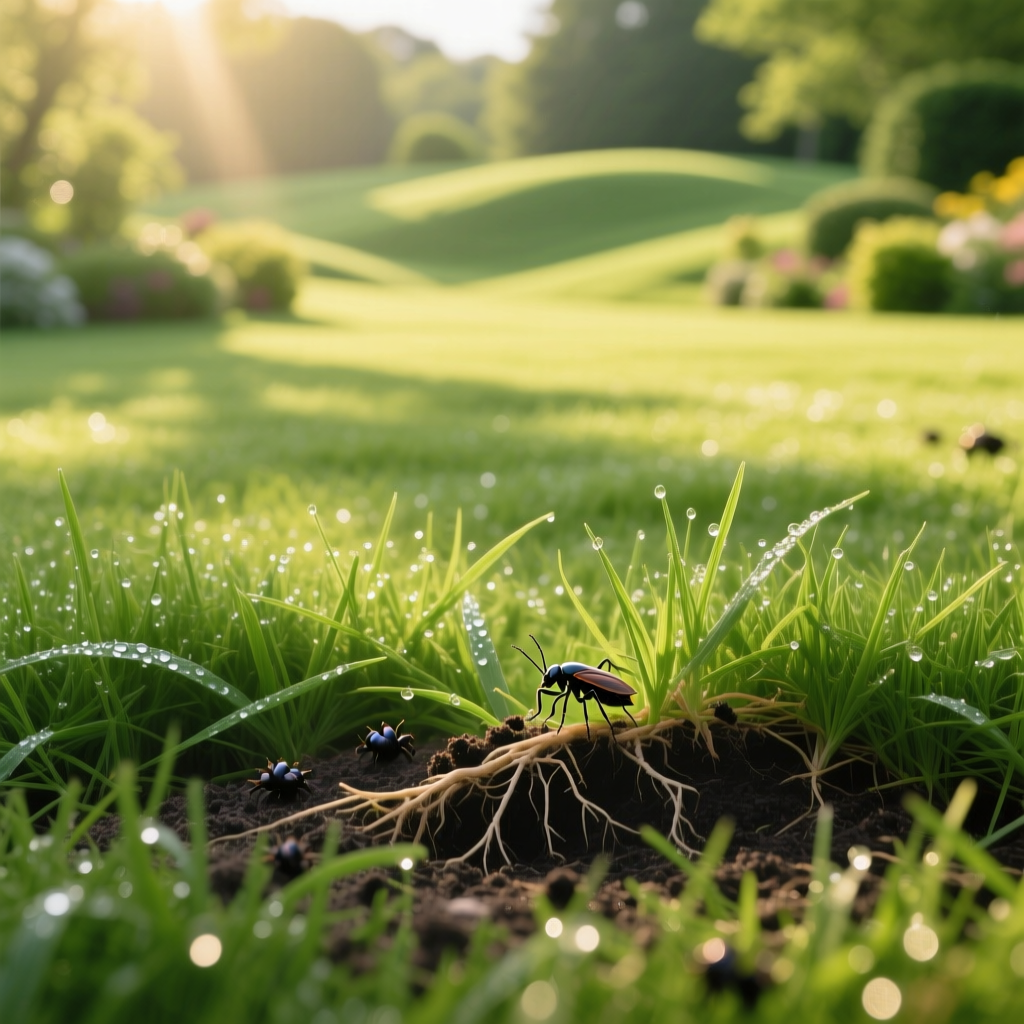
Turfgrass is a significant investment of time, money, & effort, but tiny invaders can undo months of hard work in a matter of weeks. Among the most destructive of these pests are chinch bugs. Despite their small size, these insects can cause catastrophic damage to your lawn, turning lush, green turf into dry, brown patches that mimic severe drought stress. If left untreated, a chinch bug infestation can completely decimate your yard, forcing you into costly renovations or sod replacement.

Chinch bugs primarily target warm-season grasses, with St. Augustine grass being their absolute favorite. However, they will also happily feed on Bermuda, Zoysia, centipede, & Bahia grasses. The damage they cause is not just from chewing on the grass blades; as they feed, they inject a toxic saliva that blocks the plant's vascular system, preventing water & nutrients from reaching the leaves. This is why chinch bug damage often looks identical to heat or drought stress, leading many homeowners to mistakenly increase their irrigation rather than treat the underlying pest problem.

In this comprehensive guide, we will walk you through everything you need to know about chinch bug treatment. From accurate identification & cultural prevention methods to natural remedies & chemical interventions, you will learn how to protect your lawn & garden from these voracious pests.

How to Identify Chinch Bugs and Lawn Damage

Before you can effectively treat an infestation, you must confirm that chinch bugs are actually the culprits. Misdiagnosing the problem can lead to wasted time, unnecessary chemical applications, & further lawn decline. Chinch bugs thrive in hot, dry, & sunny conditions, which is why damage typically first appears in open areas, near sidewalks, or along driveways where the soil is warmest.

What Do Chinch Bugs Look Like?

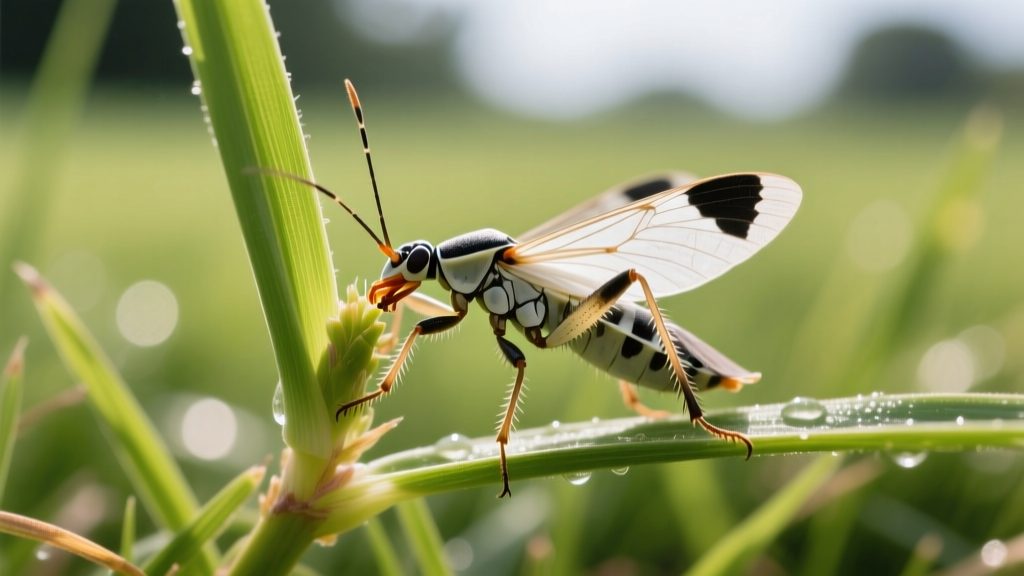
Adult chinch bugs are incredibly small, measuring only about 1/6 of an inch long. They have slender, black bodies with white wings that fold flat over their backs, featuring a distinct black triangle on the outer margin of each wing. Because of their size, they can be difficult to spot with the naked eye unless you are actively looking for them at the base of the grass blades.

The nymphs (immature chinch bugs) look entirely different from the adults. When they first hatch, they are bright orange or red with a distinct white band across their abdomens. As they molt & grow, they gradually darken, turning gray & eventually black as they develop their signature white wings. Spotting these red nymphs in the thatch layer is a surefire sign of an active, breeding population.

Recognizing the Signs of Damage

Chinch bug damage typically manifests as irregular, yellowing patches of grass that quickly turn brown & die. Unlike drought stress, which usually affects the entire lawn uniformly, chinch bug damage often creates a "frog-eye" pattern—circular dead patches with a small tuft of living grass in the center. If you part the grass blades at the edge of a dying patch (the transition zone between green & brown grass), you will likely see dozens of tiny bugs scurrying away from the light.

The Tin Can Test (Flotation Method)

If you suspect chinch bugs but cannot see them, the tin can test is the gold standard for confirmation. Here is how to perform it:

  • Take an empty metal coffee can or large soup can & remove both the top & bottom lids.
  • Push the can about two inches deep into the soil at the edge of a damaged area where the grass is just beginning to yellow.
  • Fill the can with water & wait for about five minutes.
  • Count the bugs that float to the surface. If you see 20 or more chinch bugs per square foot, treatment is absolutely necessary to save your turf.

It is also vital to differentiate pest damage from fungal issues. Diseases like brown patch can cause similar circular die-offs, but fungal diseases usually present with distinct lesions on the grass blades themselves, whereas chinch bugs leave the blades looking desiccated & chewed.

Cultural Practices for Chinch Bug Prevention

The most effective chinch bug treatment is a robust defense. Chinch bugs are opportunistic pests that target stressed, weak, & poorly maintained lawns. By implementing proper cultural practices, you can make your turf naturally resistant to infestations. A healthy, deeply rooted lawn can withstand minor pest pressure & recover much faster if an invasion does occur.

Mastering Your Irrigation Schedule

Chinch bugs love hot, dry environments. Lawns that are under-watered or subjected to frequent, shallow watering are prime targets. To deter them, you need to practice deep & infrequent watering. This encourages deep root growth & keeps the thatch layer moist enough to support beneficial fungi that naturally attack chinch bug eggs. Review our complete guide on watering your lawn to ensure you are providing the optimal 1 to 1.5 inches of water per week, preferably in the early morning hours.

Thatch Management and Aeration

Thatch is the layer of dead & living organic matter that accumulates between the soil surface & the green grass blades. While a thin layer (less than half an inch) is beneficial, a thick thatch layer acts as an impenetrable fortress for chinch bugs. It provides a safe haven for overwintering adults, protects nymphs from predators, & blocks water & insecticides from reaching the soil. Regularly dethatching your lawn & performing core aeration will disrupt their habitat & expose them to natural predators.

Proper Mowing Techniques

Scalping your lawn (cutting it too short) stresses the grass, reduces its ability to photosynthesize, & exposes the soil to the intense sun—creating the exact microclimate chinch bugs prefer. Never remove more than one-third of the grass blade in a single mowing session. For St. Augustine grass, maintain a mowing height of 3 to 4 inches. Taller grass shades the soil, retains moisture, & creates a cooler environment that is less hospitable to these heat-loving pests. Check out our essential mowing tips for more best practices.

Smart Fertilization Strategies

Over-fertilizing, particularly with high-nitrogen synthetic fertilizers, produces rapid, soft, & succulent grass growth. This type of growth is incredibly attractive to chinch bugs & provides them with an endless buffet. Instead, use slow-release nitrogen fertilizers & follow a balanced fertilizing schedule tailored to your specific grass type & soil test results.

Natural and DIY Chinch Bug Treatment Solutions

For mild infestations or for homeowners who prefer an organic approach to lawn pest control, several natural remedies can effectively reduce chinch bug populations without harming the environment, your pets, or beneficial soil microbes.

Encouraging Beneficial Insects

Nature has its own pest control agents. The big-eyed bug (Geocoris species) is a natural predator of the chinch bug. Interestingly, big-eyed bugs look remarkably similar to chinch bugs, but they can be distinguished by their noticeably larger, bulging eyes & their faster, more aggressive movements. Ladybugs, lacewings, & certain parasitic wasps also prey on chinch bug nymphs. Avoiding broad-spectrum pesticides will help preserve these beneficial populations.

Neem Oil and Insecticidal Soaps

Neem oil is a botanical insecticide derived from the neem tree. It works by disrupting the hormonal systems of insects, preventing them from feeding, molting, & reproducing. Insecticidal soaps work on contact by breaking down the protective outer cuticle of soft-bodied nymphs, causing them to dehydrate. Both options require thorough coverage of the thatch layer & grass base, & they must be reapplied every 7 to 10 days until the infestation is under control, as they do not have a long residual effect.

Diatomaceous Earth (DE)

Food-grade diatomaceous earth is a fine powder made from the fossilized remains of aquatic organisms. When chinch bugs crawl across DE, the microscopic, sharp edges cut their exoskeletons, leading to fatal dehydration. DE is best applied as a dusting over dry, infested areas. However, it loses its effectiveness once wet, so it must be reapplied after rainfall or heavy irrigation.

Chemical Treatments for Severe Infestations

When the tin can test reveals a massive population, or when natural methods fail to halt the spread of damage, chemical intervention becomes necessary to save the lawn. Modern insecticides are highly effective when used correctly, but they require careful selection & application to ensure safety & efficacy.

Choosing the Right Active Ingredients

Look for products containing pyrethroids such as bifenthrin, lambda-cyhalothrin, or permethrin. These contact insecticides provide a quick knockdown of active adults & nymphs. For longer-lasting control, especially against nymphs hatching from eggs in the soil, systemic insecticides like imidacloprid or clothianidin are excellent choices. These are absorbed by the grass roots & kill the bugs as they feed. Rotating between different classes of chemicals is crucial, as chinch bugs are notorious for developing genetic resistance to repeatedly used active ingredients.

Granular vs. Liquid Applications

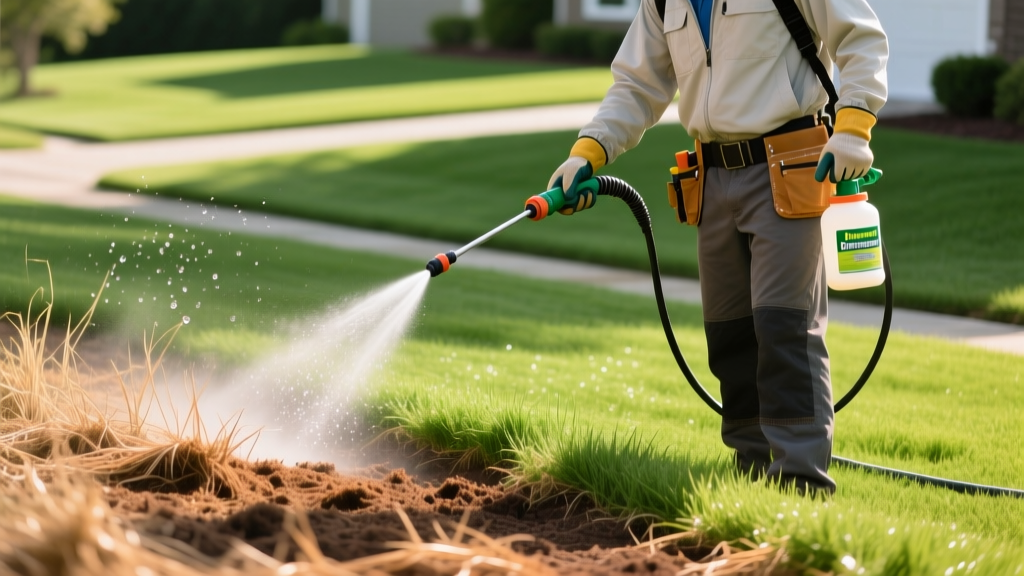
Granular insecticides are generally easier for homeowners to apply using a standard broadcast spreader. After spreading the granules, you must water the lawn lightly (about 1/4 inch) to activate the chemical & wash it down into the thatch layer where the bugs reside. Liquid concentrates, applied via a hose-end sprayer, offer faster knockdown results & better coverage of the grass blades, but they require more precision to avoid runoff. Always read the manufacturer's label regarding application rates, pet safety, & re-entry intervals.

Timing Your Application

Timing is everything. Treat your lawn when nymphs are actively hatching, usually in late spring to early summer, depending on your climate zone. Treating too early in the season kills the overwintering adults but leaves the subsequent eggs unharmed, leading to a massive rebound later in the year. Monitor the edges of your lawn closely as the weather warms up, & apply your chosen treatment at the very first sign of yellowing or active nymphs.

When to Call Professional Pest Control Services

While DIY methods can handle localized outbreaks, widespread infestations that span large portions of your property often require professional intervention. If you have applied chemical treatments twice without seeing a reduction in damage, or if the turf is dying faster than you can treat it, it is time to call in the experts.

Professional lawn care companies have access to commercial-grade products that are not available to the general public. They also utilize Integrated Pest Management (IPM) strategies, combining soil injections, targeted barrier sprays, & advanced cultural recommendations to break the chinch bug life cycle entirely. Furthermore, professionals can accurately assess the extent of the root damage & provide a tailored recovery plan, which may include overseeding with pest-resistant grass varieties or laying fresh sod in completely destroyed areas. If you are unsure about handling chemicals safely around your family & pets, hiring a professional is always the safest & most reliable route.

Frequently Asked Questions

What time of year are chinch bugs most active?

Chinch bugs are most active during the hot, dry months of summer. In warmer, southern climates, they can produce multiple generations annually, with peak activity occurring from late spring through early autumn. They overwinter as adults in protected areas like leaf litter, thick thatch, & under shrubs, emerging to mate & lay eggs as soon as soil temperatures consistently rise above 70°F.

Will my grass grow back after a chinch bug infestation?

It depends on the severity of the damage. Because chinch bugs inject a toxin that kills the plant tissue, grass that has turned completely brown & brittle is dead & will not recover, even after the bugs are eradicated. However, grass that is only slightly yellowed or stunted in the transition zones can often bounce back once the pests are eliminated & proper watering & fertilization resume. For dead patches, you will need to rake out the debris & repair the area using seed or sod.

Can chinch bugs invade my home?

Chinch bugs are strictly agricultural & turf pests; they do not seek out human habitats, nor do they infest pantry goods or structural wood like termites or ants. However, during extreme heat, drought, or after a heavy chemical application, large numbers of chinch bugs may accidentally wander onto patios, sidewalks, or into the edges of your home seeking moisture. They cannot survive or reproduce indoors & will quickly die if swept up or vacuumed.

How often should I treat my lawn for chinch bugs?

You should only treat your lawn when an active infestation is confirmed via the tin can test or visual inspection. Preventative chemical applications are generally discouraged unless your lawn has a documented history of severe, recurring infestations. Over-treating can kill beneficial predatory insects, disrupt the soil microbiome, & lead to chemical-resistant super-bugs. Focus on cultural prevention methods year-round, & reserve chemical treatments for active, damaging populations.

Do chinch bugs bite humans or pets?

No, chinch bugs do not bite humans, dogs, or cats. Their mouthparts are specifically adapted for piercing plant tissue & sucking sap; they are physically incapable of piercing mammalian skin. They also do not transmit diseases to humans or animals. While finding thousands of tiny bugs in your yard can be unsettling, they pose zero physical threat to your family or pets, making them purely a cosmetic & agricultural nuisance.