Home & Garden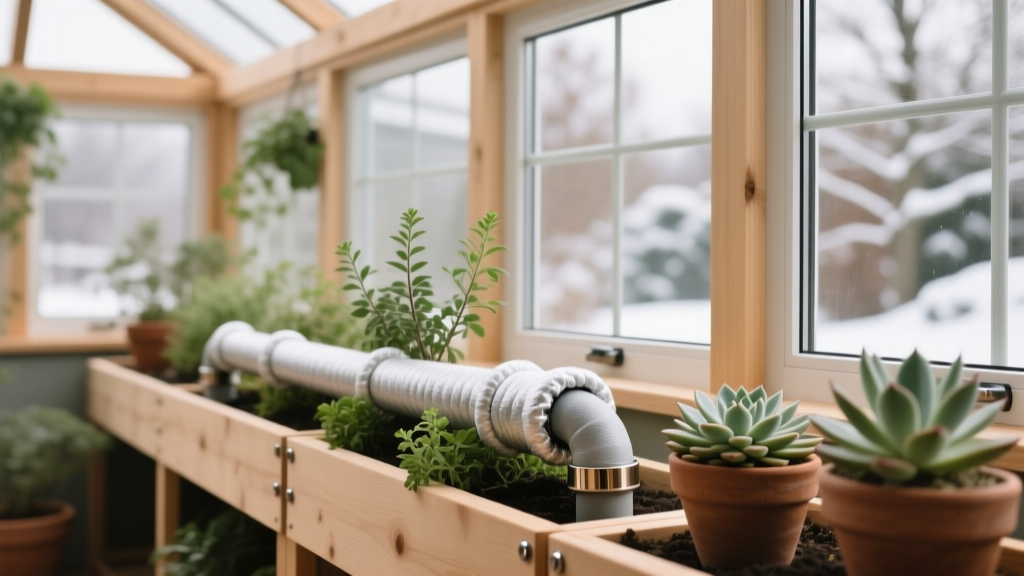
2026 Pot Garden Winterization: Pipe Insulation & Weatherstripping
Lisa ThompsonPublished
The Unique Vulnerability of Container Gardens in Winter
As the vibrant hues of autumn settle in and temperatures begin their inevitable drop, container gardeners face a critical transition period. Unlike traditional in-ground garden beds, potted plants and their associated infrastructure are uniquely vulnerable to freezing temperatures. The root balls of container plants are entirely exposed to ambient air temperatures, meaning they can freeze solid much faster than the earth below. Furthermore, the drip irrigation systems and above-ground PVC or polyethylene pipes that keep your patio pots hydrated during the summer are highly susceptible to cracking and bursting when the mercury dips below freezing.
Simultaneously, many gardeners are migrating their tender perennials, citrus trees, and tropicals into enclosed sunrooms, attached greenhouses, or drafty mudrooms for the winter. If these overwintering spaces are not properly sealed, the resulting drafts will cause severe micro-climate fluctuations. According to the University of Minnesota Extension, maintaining a stable, draft-free environment is essential for preventing the leaf drop and spider mite infestations that plague indoor winter gardens. To protect both your outdoor irrigation infrastructure and your indoor potted sanctuaries, mastering fall home winterization—specifically pipe insulation and weatherstripping—is your most important 2026 garden chore.
Step 1: Winterizing Outdoor Pot Irrigation Pipes
Container gardens on patios and balconies often rely on intricate drip irrigation networks. These systems utilize a main supply line, usually a 1/2-inch poly tube or PVC pipe, which branches off into 1/4-inch micro-tubing directly into the soil of individual pots. Leaving water inside these lines during a hard freeze guarantees that the expanding ice will split your fittings, ruin your emitters, and crack your main supply pipes.
Draining and Blowing Out Drip Lines
Before you even think about applying insulation, you must evacuate the water. Simply turning off the spigot is not enough; water will remain trapped in the low points of the tubing that drape over the edges of your large planter boxes.
- Disconnect and Drain: Disconnect the main timer and backflow preventer from the outdoor faucet. Store these electronic and brass components indoors, as freezing will destroy their internal diaphragms.
- Open Manual Drain Valves: If your 2026 drip system is equipped with manual drain valves at the ends of the poly tubing, open them and elevate the opposite end of the pipe to encourage gravity drainage.
- Use an Air Compressor: For complete evacuation, connect an air compressor to the main line. Crucial Warning: Regulate the compressor to a maximum of 30 to 50 PSI. High pressure will blow apart your barbed fittings and destroy the delicate drip emitters sitting in your pots. Blow out the lines until only a fine mist exits the emitters.
Selecting and Applying Pipe Insulation
Once the pipes are bone dry, insulation acts as a thermal barrier against ambient freezing and harsh UV rays that degrade plastics over time. The U.S. Department of Energy strongly recommends insulating all exposed water pipes in unheated or outdoor areas to prevent catastrophic failures. For container garden irrigation, you need flexible, weather-resistant materials.
- Foam Pipe Sleeves: For rigid PVC supply lines feeding your raised beds or large patio pots, use 1/2-inch or 3/4-inch closed-cell polyethylene foam sleeves. These slit down the side and snap over the pipe. Look for models with pre-applied adhesive seams for a tight seal.
- Fiberglass Wrap with PVC Jacket: If you live in a climate where temperatures regularly plunge below 10°F, foam may not provide enough R-value. Wrap your main supply valves and backflow preventers in fiberglass insulation tape, then cover it with a PVC or foil-backed jacket to keep out moisture.
- Seal the Seams: Use UV-resistant, acrylic-based insulation tape (not standard duct tape, which will peel off by mid-winter) to seal all longitudinal seams and joints where the foam meets the spigot.
Step 2: Weatherstripping Your Overwintering Sunroom
Bringing your prized potted Meyer lemon tree, bougainvillea, and elephant ears indoors is only half the battle. The rooms where you store them must be tightly sealed. Drafts from poorly fitted windows and exterior doors do more than just drive up your 2026 heating bills; they create localized cold spots that can shock tropical roots and drop humidity levels to desert-like conditions.
Why Drafts Destroy Indoor Potted Plants
Tropical container plants require consistent humidity levels between 40% and 60%. When cold outdoor air infiltrates your sunroom through gaps in the window sashes or door sweeps, your home's heating system works overtime, severely drying out the indoor air. This dry, drafty environment is the exact catalyst for spider mite and scale insect outbreaks. Furthermore, a sudden draft of 40°F air hitting the foliage of a tropical hibiscus will cause immediate chlorosis (yellowing) and massive leaf drop.
Identifying and Sealing Air Leaks
According to the U.S. Department of Energy's weatherstripping guidelines, properly sealing your home's envelope can save up to 15% on heating and cooling costs while drastically improving indoor climate stability. Here is how to seal your plant rooms:
- The Candle Test: On a windy autumn day, light a stick of incense or a candle and slowly trace the perimeters of your sunroom windows and exterior doors. If the smoke wavers or blows horizontally, you have found a draft that threatens your overwintering plants.
- Caulking Stationary Gaps: Use a high-quality, 100% silicone caulk to seal the gaps between the window trim and the drywall. Silicone remains flexible across extreme temperature ranges, ensuring the seal doesn't crack when the window frames expand and contract.
- Weatherstripping Movable Joints: For the moving parts of windows and doors, apply appropriate weatherstripping (see comparison chart below) to block air infiltration without preventing the door or window from closing.
2026 Weatherstripping Material Comparison Chart
Choosing the right material depends on the size of the gap and the frequency of use of the door or window in your plant room. Below is a comparison of the most effective weatherstripping materials available for the 2026 winter season.
| Material Type | Best Application in Plant Rooms | Estimated Cost (per 10ft) | Durability & Notes |
|---|---|---|---|
| V-Strip (Tension Seal) | Sides and tops of double-hung or sliding windows where pots are placed on sills. | $8 - $15 | High durability. Invisible when installed. Excellent for blocking drafts without hindering window operation. |
| Silicone Foam Tape | Irregular gaps around older greenhouse doors or warped window frames. | $6 - $12 | Medium durability. Compresses easily to fill uneven gaps, but degrades after 2-3 seasons of heavy UV exposure. |
| Reinforced Door Sweep | Bottom of exterior doors leading to attached greenhouses or mudrooms. | $15 - $25 | Very high durability. Prevents cold floor drafts that can chill the root zones of large floor-standing potted trees. |
| Tubular Rubber Gasket | The latch side of French doors enclosing a patio container garden. | $12 - $20 | High durability. Provides an airtight compression seal when the door is shut, locking in vital humidity. |
Smart Home Integration for Winter Plant Care
As we navigate the 2026 winter season, smart home technology offers unprecedented control over the micro-climates your container plants rely on. Integrating smart sensors into your winterization strategy provides peace of mind and actionable data.
- Canopy-Level Temperature Sensors: Do not rely on your home's central thermostat, which is usually located in a central hallway. Place wireless smart temperature and humidity sensors (such as the latest Govee or Aqara Zigbee models) directly inside the foliage canopy of your most sensitive potted plants. This allows you to monitor the exact conditions the plant is experiencing and trigger smart space heaters if the sunroom drops below 50°F.
- Smart Water Leak Detectors: Overwintering plants in deep saucers poses a risk of indoor flooding if a pot is overwatered or a saucer cracks. Place Wi-Fi-enabled water leak sensors on the floor beneath your largest container plants. If water breaches the saucer, the sensor will instantly alert your smartphone, saving your hardwood floors from water damage.
- Smart Irrigation Shutoff Valves: For outdoor pipe protection, install a smart water shutoff valve on your exterior spigot. If a sudden, unseasonal freeze occurs and you forgot to drain the lines, some advanced 2026 smart valves can detect anomalous pressure drops (indicating a burst pipe) and automatically shut off the water supply to your home, preventing thousands of dollars in structural damage.
Final Preparations for the 2026 Freeze
Winterizing a container garden requires a holistic approach that bridges outdoor plumbing maintenance and indoor climate control. By thoroughly draining and insulating your patio drip irrigation pipes, you ensure that your expensive watering infrastructure survives the winter intact, ready to be reconnected the moment spring arrives. Simultaneously, by meticulously weatherstripping your sunrooms and enclosed porches, you create a stable, draft-free sanctuary that allows your tender potted tropicals to thrive until the last frost has passed. Take the time this fall to inspect your seals, wrap your pipes, and calibrate your smart sensors. Your container garden will reward your diligence with vibrant, healthy growth when the 2026 spring thaw finally arrives.
