Home & Garden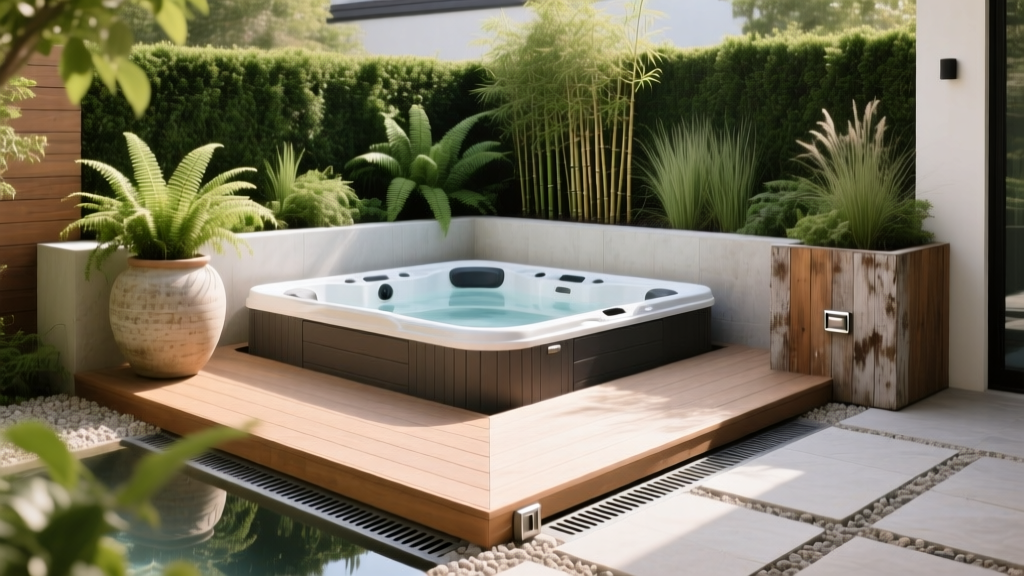
Hot Tub Privacy Screens & Drainage: 2026 Container Guide
Sarah ChenPublished
Creating the Ultimate Hot Tub Oasis with Container Privacy Screens
In 2026, the outdoor living space has evolved into a true extension of the home, with hot tubs and spas serving as the centerpiece for year-round relaxation. However, achieving total privacy without resorting to permanent, view-blocking fences remains a common challenge. Container gardening offers an elegant, flexible, and highly effective solution for hot tub privacy screens. By utilizing large-scale planters and strategic botanical placements, homeowners can create lush, living walls that enclose the spa area beautifully.
Yet, merging water-heavy environments like hot tubs with container gardens introduces a significant landscaping hurdle: drainage. Between hot tub splash-out, periodic draining events, and the runoff from watering large potted plants, the hardscape surrounding your spa can quickly become a waterlogged mess if not properly engineered. This comprehensive guide explores the best 2026 container strategies for hot tub privacy, alongside critical drainage planning to keep your patio, deck, and spa pad completely dry and structurally sound.
Why Container Gardening is the Ideal Privacy Solution
Traditional privacy fences or planted hedge rows require deep digging, which risks severing underground utility lines or damaging the concrete pad supporting the immense weight of a filled hot tub. Container gardening bypasses these issues entirely. Large architectural planters can be placed precisely where sightlines from neighbors intersect with your spa, offering immediate privacy upon installation.
Furthermore, the 2026 landscaping trends heavily favor modular outdoor designs. Container screens allow you to rearrange your privacy layout depending on the season, the angle of the sun, or if you decide to upgrade to a larger hot tub in the future. When paired with modern, weather-resistant materials like Corten steel or UV-stabilized composite, these planters serve as striking sculptural elements even during the dormant winter months.
Top Plant Choices for Hot Tub Privacy Containers
Selecting the right plants for a hot tub environment is crucial. The foliage must tolerate high humidity, occasional splashes of chlorinated or brominated water, and the confined root space of a container. Here are the top-performing privacy plants for hot tub containers in 2026.
| Plant Variety | Mature Height | Min. Pot Size | Chemical/Splash Tolerance | 2026 Avg. Cost |
|---|---|---|---|---|
| Fargesia robusta (Clumping Bamboo) | 8-10 ft | 24x24 in | High | $120 - $180 |
| Thuja 'Emerald Green' Arborvitae | 10-12 ft | 30x30 in | Moderate | $90 - $150 |
| Miscanthus sinensis (Ornamental Grass) | 6-8 ft | 20x20 in | High | $40 - $60 |
| Euonymus 'Emerald Gaiety' | 4-6 ft | 18x18 in | High | $35 - $55 |
Clumping bamboo remains the gold standard for fast-growing, dense privacy screens. Unlike running bamboo, Fargesia varieties will not break through the bottom of your containers and invade your yard. Ornamental grasses like Miscanthus provide a softer, rustling acoustic barrier that masks the sound of the hot tub pump while swaying beautifully in the evening breeze.
The Drainage Dilemma: Splash Zones vs. Planter Runoff
A standard 6-person hot tub holds approximately 400 gallons of water. Vigorous use can splash dozens of gallons onto the surrounding deck in a single evening. When you add the 5 to 10 gallons of water required to deeply saturate a large 30-inch privacy planter, the cumulative water volume on your hardscape is substantial. Without a dedicated drainage plan, this water will pool against the hot tub shell, degrade wooden decking, or cause efflorescence and cracking on concrete pads.
According to the EPA's Green Infrastructure guidelines, managing localized runoff through permeable surfaces and strategic channeling is essential for protecting residential foundations and hardscapes. Applying these principles to your hot tub pad ensures longevity and safety.
Step 1: Elevate the Containers
Never place large privacy planters directly flat against the deck or patio surface. In 2026, heavy-duty architectural pot feet and hidden riser blocks are standard practice. Elevating the planter by at least 2 to 3 inches allows runoff to flow freely beneath the container, preventing the soil from sitting in a puddle of chlorinated splash-water, which can quickly alter the soil pH and kill the plant's root system.
Step 2: Implement Sub-Surface Channel Drains
For hot tub pads made of concrete or composite decking, installing a 4-inch PVC trench drain or channel drain along the perimeter of the privacy screen is highly recommended. Position the planters so that their drainage holes align near the channel grate. As you water the privacy screen, the excess water drops directly into the trench and is routed away from the spa equipment pad and your home's foundation.
Step 3: Utilize Permeable Hardscape Bases
If you are designing a new hot tub pad in 2026, consider using permeable pavers or stabilized gravel grids for the area immediately surrounding the container privacy screen. These materials allow both hot tub splash and planter runoff to percolate into the sub-base rather than sheeting across the surface.
Soil and Water Management in Chlorine Zones
The soil medium inside your privacy containers must be engineered for rapid drainage. Standard topsoil or heavy garden soil will compact over time, leading to waterlogging and heavy, unmanageable pots. As noted by the University of Minnesota Extension, container-grown shrubs and trees require a lightweight, well-aerated potting mix to thrive in confined spaces.
For hot tub privacy planters, mix a custom soil blend consisting of:
- 40% High-quality potting soil (peat or coir-based for moisture retention)
- 30% Pine bark fines (to ensure aeration and prevent compaction)
- 20% Pumice or coarse perlite (for rapid drainage and weight reduction)
- 10% Compost (for slow-release nutrients)
This fast-draining mix ensures that when you water the screen, the water passes through quickly, minimizing the time the container sits saturated and reducing the overall volume of runoff hitting your patio at any one time.
Smart Irrigation and Self-Watering Planters
To further control drainage and eliminate the guesswork of watering large privacy screens, many homeowners in 2026 are turning to smart self-watering containers. Brands like Lechuza and modern Corten steel fabricators now offer large-scale trough planters with built-in sub-irrigation reservoirs.
These systems feature a false bottom that holds a water reservoir, separated from the soil by a geotextile fabric and aeration cones. A wicking system draws water up to the roots as needed. The primary benefit for hot tub landscaping is that bottom watering eliminates surface runoff. You fill the reservoir via a hidden fill tube, and zero water spills onto your hot tub deck. Additionally, integrating a smart moisture sensor connected to your home's Wi-Fi network ensures the reservoir is only topped off when necessary, preventing overflow events during heavy rainstorms.
Recommended 2026 Planter Materials for Spa Environments
The microclimate around a hot tub is warm, humid, and occasionally exposed to harsh water treatment chemicals. Choosing the right planter material is vital for durability.
- Corten Steel (Weathering Steel): Extremely popular in 2026 for its rustic, rust-patina finish. It is highly durable and heavy enough to resist tipping in high winds. Ensure the interior is lined with a heavy-duty pond liner to prevent the rust from leaching into the soil and to protect the steel from constant moisture.
- Fiberglass Composite: Lightweight, frost-proof, and completely impervious to chlorine and bromine splashes. Modern fiberglass planters are molded to look like carved stone or textured concrete but weigh a fraction of the amount, making them ideal for rooftop decks or elevated wooden patios where weight limits are a concern.
- Marine-Grade Polymer: UV-stabilized and completely rot-proof. These are excellent for coastal homes where salt air and hot tub chemicals would rapidly degrade wood or metal.
Winterizing Your Hot Tub Privacy Containers
If you live in a climate with freezing winters and plan to keep your hot tub running year-round, your container privacy screen requires winterization. The heat radiating from the hot tub will create a microclimate, but the roots of container plants are still highly vulnerable to freezing temperatures because they are above ground.
To protect your investment, line the interior walls of your planters with 1-inch rigid foam insulation board before adding your soil mix. This creates a thermal barrier that protects the root ball from ambient freezing air. Additionally, wrapping the exterior of fiberglass or composite planters in burlap or specialized frost-protection blankets during the harshest winter months will prevent the material from cracking due to the expansion of freezing soil moisture.
Conclusion
Designing a hot tub privacy screen using container gardening is one of the most impactful upgrades you can make to your outdoor living space in 2026. By selecting chemical-tolerant, fast-growing plants like clumping bamboo or arborvitae, and pairing them with modern self-watering troughs, you create an immediate, lush sanctuary. However, the success of this landscape design hinges entirely on proactive drainage planning. By elevating your planters, utilizing fast-draining soil mixes, and integrating sub-surface channel drains, you ensure that your spa pad remains pristine, safe, and dry for years of relaxing soak sessions to come.
