Lawn Care
The Ultimate Cool-Season Lawn Care Schedule & Checklist
The Ultimate Cool-Season Lawn Care Schedule & Checklist
Cool-season grasses, including Kentucky Bluegrass, Tall Fescue, Fine Fescue, and Perennial Ryegrass, dominate the northern two-thirds of the United States. These grasses experience two primary growth flushes: a moderate one in the spring and a highly vigorous one in the fall. To achieve a thick, weed-free lawn, you must align your maintenance tasks with the natural growth cycles of your turf. Applying the right product at the wrong time can damage your lawn, encourage disease, or simply waste your money.
This comprehensive schedule and checklist will guide you through every season, providing specific product recommendations, application rates, and estimated costs to keep your lawn in peak condition year-round.
Understanding Your Cool-Season Grass
Before diving into the schedule, it is crucial to identify your grass type, as this dictates your seeding and watering strategies:
- Kentucky Bluegrass (KBG): Spreads via underground rhizomes, creating a dense, self-repairing sod. Requires full sun and higher maintenance, including frequent watering and fertilization.
- Tall Fescue: A bunchgrass with incredibly deep roots, making it highly drought-tolerant and disease-resistant. Excellent for transition zones and areas with partial shade.
- Perennial Ryegrass: Germinates rapidly (often in 5-7 days). Frequently used as a 'nurse grass' in seed blends to provide quick soil stabilization while slower-germinating grasses establish.
- Fine Fescue: Includes creeping red, chewings, and hard fescues. Exceptional shade tolerance and low fertilizer requirements, but struggles with heavy foot traffic.
Spring Checklist: Cleanup and Prevention
March: Soil Testing and Debris Removal
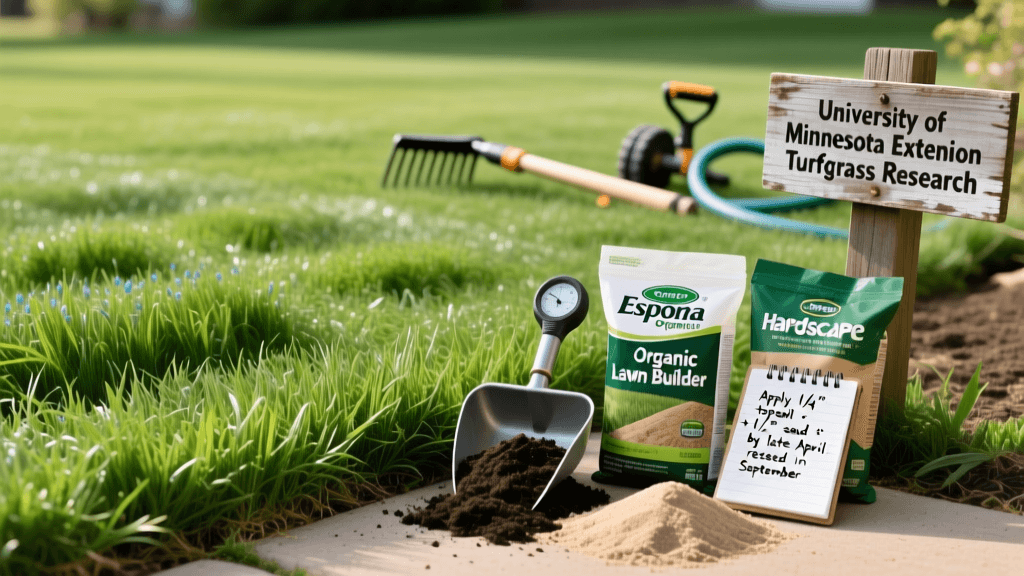
As the snow melts, gently rake away winter debris to prevent snow mold. This is the ideal time to conduct a soil test. Cool-season grasses thrive in a pH range of 6.0 to 7.0. If your soil is too acidic, apply pelletized lime (approximately 50 lbs per 1,000 sq ft, cost: $15-$20). Avoid heavy raking that could tear dormant crowns.
April: Pre-Emergent Weed Control
Crabgrass is the nemesis of cool-season lawns. It germinates when soil temperatures consistently reach 55°F at a 2-inch depth for several consecutive days. Apply a pre-emergent herbicide like Prodiamine (Barricade) or Pendimethalin (Scotts Halts). Cost: $40-$60 for 10,000 sq ft. Note: Pre-emergents prevent all seeds from germinating. Do not apply if you plan to overseed in the spring.
May: Broadleaf Weeds and Light Fertilization
Spot-treat dandelions, clover, and plantain with a selective broadleaf herbicide containing 2,4-D and Dicamba. Apply a light spring fertilizer (1 lb of nitrogen per 1,000 sq ft) to support spring growth. Avoid heavy nitrogen in late spring, which causes excessive top growth at the expense of root development, leaving the grass vulnerable to summer stress.
Summer Checklist: Survival and Stress Management
June: Mowing High and Grub Prevention
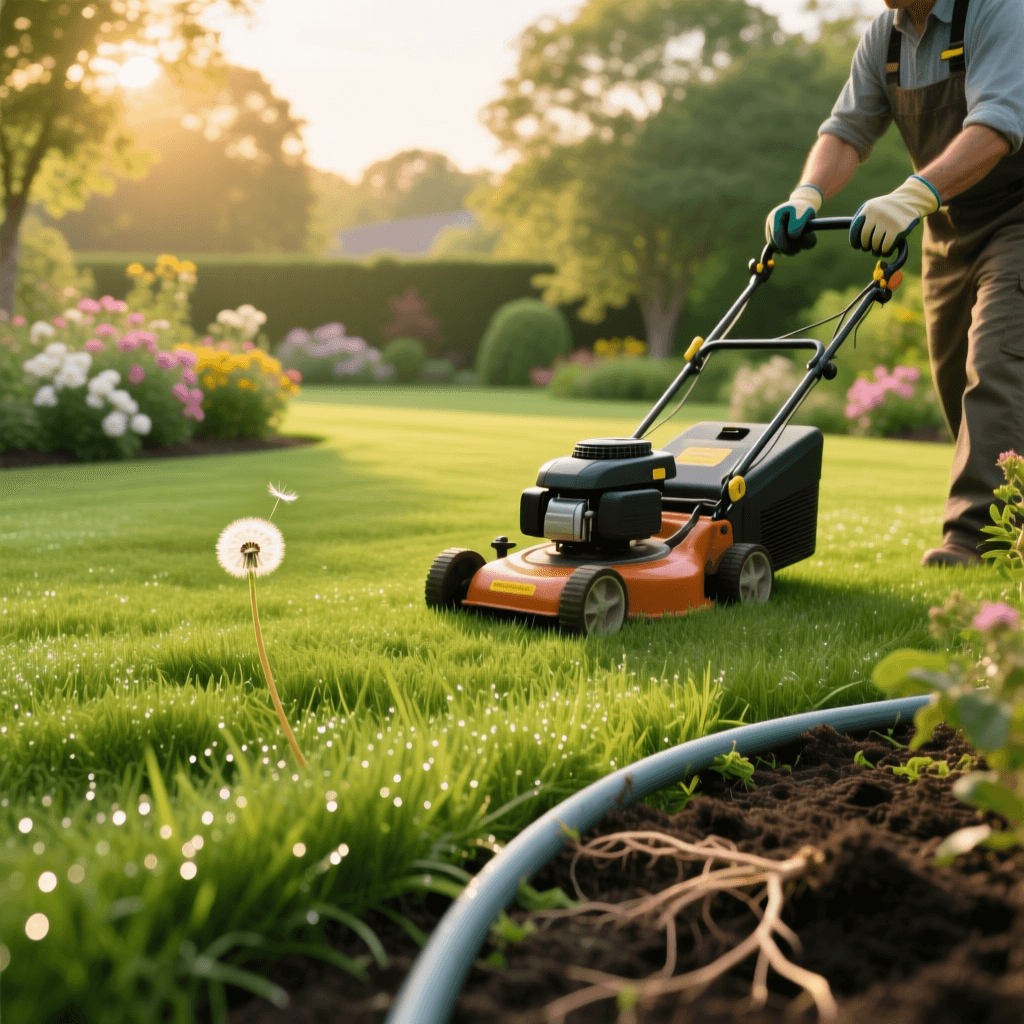
Raise your mower deck to 3.5 or 4 inches. Taller grass shades the soil, conserving moisture, cooling the root zone, and preventing weed seeds from receiving the sunlight they need to germinate. Apply a preventative grub control containing Imidacloprid (Merit) or Chlorantraniliprole (GrubEx) before mid-June. Cost: $20-$30.
July: Deep Watering and Disease Monitoring
Cool-season grasses naturally slow down in summer heat. Provide 1 to 1.5 inches of water per week, ideally split into two deep watering sessions (e.g., 0.75 inches twice a week) to encourage deep root growth. Avoid fertilizing during this time. Watch for fungal diseases like brown patch or dollar spot, which thrive in hot, humid conditions. If necessary, apply a systemic fungicide like Azoxystrobin.
August: Limit Traffic and Prepare for Fall
Limit foot traffic on dormant or heat-stressed grass to prevent crown damage. Begin planning your fall aeration and overseeding strategy, ordering your grass seed and booking equipment rentals early, as September is a busy month for lawn care professionals and rental centers alike.
Fall Checklist: The Most Critical Season
According to turfgrass experts at Purdue University, fall is the most important season for cool-season lawn care. The tasks you perform between September and November dictate the health of your lawn for the following year.
September: Core Aeration and Overseeding
Relieve soil compaction and break down thatch by renting a core aerator ($80-$100/day). Leave the soil plugs on the lawn to decompose. Immediately overseed with Tall Fescue (5-8 lbs per 1,000 sq ft) or Kentucky Bluegrass (2-3 lbs per 1,000 sq ft). Apply a starter fertilizer high in phosphorus (e.g., 18-24-12) to promote rapid root and seedling development. Keep the seed consistently moist with light, daily watering until germination occurs.
October: Broadleaf Cleanup and Winterizer
Fall is the most effective time to kill broadleaf weeds, as they are actively pulling nutrients (and herbicides) down into their roots for winter storage. Apply a late-fall 'winterizer' fertilizer (1 to 1.5 lbs of nitrogen per 1,000 sq ft). The University of Minnesota Extension emphasizes that late-fall fertilization helps the grass store vital carbohydrates for the winter and promotes a rapid, vibrant green-up next spring without excessive top growth.
November: Final Mow and Leaf Mulching
Lower your mower deck back to 2.5 inches for the final cut to prevent snow mold during the winter. Instead of raking fallen leaves, mulch them with your mower. The University of Minnesota Extension recommends leaving grass clippings and mulched leaves on the lawn, as they decompose and provide free organic matter and nutrients to the soil.
Winter Checklist: Dormancy and Maintenance
December - February: Rest and Equipment Service
Your lawn is fully dormant. Avoid walking on frozen grass, as the physical crunching can shatter the grass crowns and lead to dead patches in the spring. Use this downtime to service your lawn mower: change the oil, replace the spark plug, clean the undercarriage, and sharpen or replace the mower blades. A sharp blade tears grass cleanly, reducing moisture loss and disease susceptibility when spring arrives.
Quick Reference Schedule & Cost Table
| Season | Primary Tasks | Key Products / Measurements | Est. Cost (per 5,000 sq ft) |
|---|---|---|---|
| Spring | Pre-emergent, Soil Test, Light Fertilizer | Prodiamine, 1 lb N/1000 sq ft | $40 - $60 |
| Summer | High Mowing, Grub Control, Deep Watering | Imidacloprid, 1.5 inches water/week | $15 - $25 |
| Fall | Aeration, Overseeding, Winterizer | Tall Fescue seed, Starter Fertilizer | $80 - $120 |
| Winter | Dormancy, Mower Maintenance | Blade sharpening, Oil change | $30 - $50 |
Pro-Tip: Calibrating Your Spreader
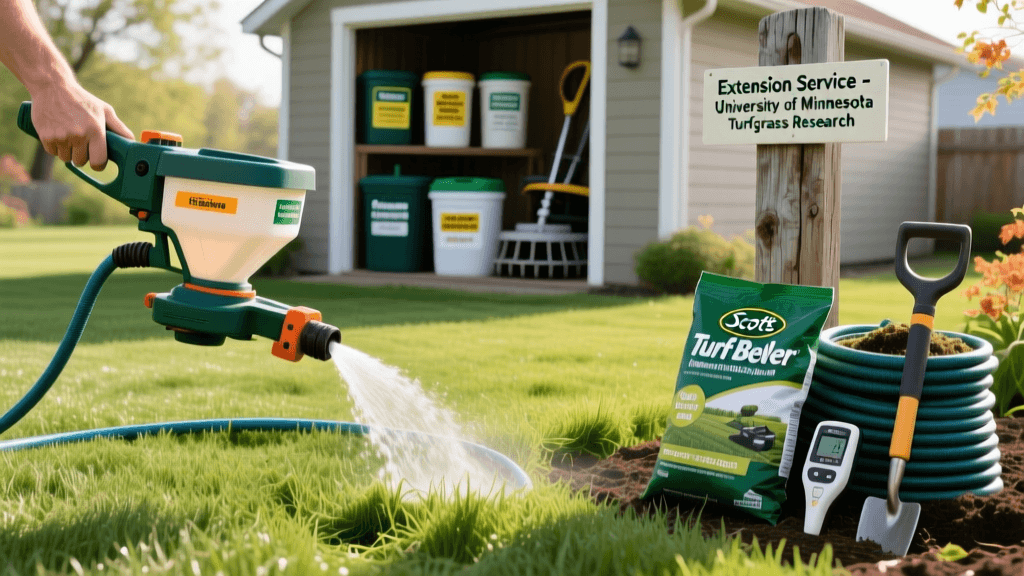
One of the most common mistakes homeowners make is over-applying fertilizer or pre-emergent, which can burn the lawn or cause chemical runoff. Always calibrate your broadcast or drop spreader before application. To do this, measure a 10x10 foot area (100 sq ft). Weigh out the exact amount of product needed for 100 sq ft based on the bag's coverage rate. Pour it into your spreader and walk over the test area at your normal pace. Adjust the spreader dial up or down until the product runs out exactly as you finish the 100 sq ft area. This guarantees accurate, safe, and cost-effective coverage across your entire property.