Home & Garden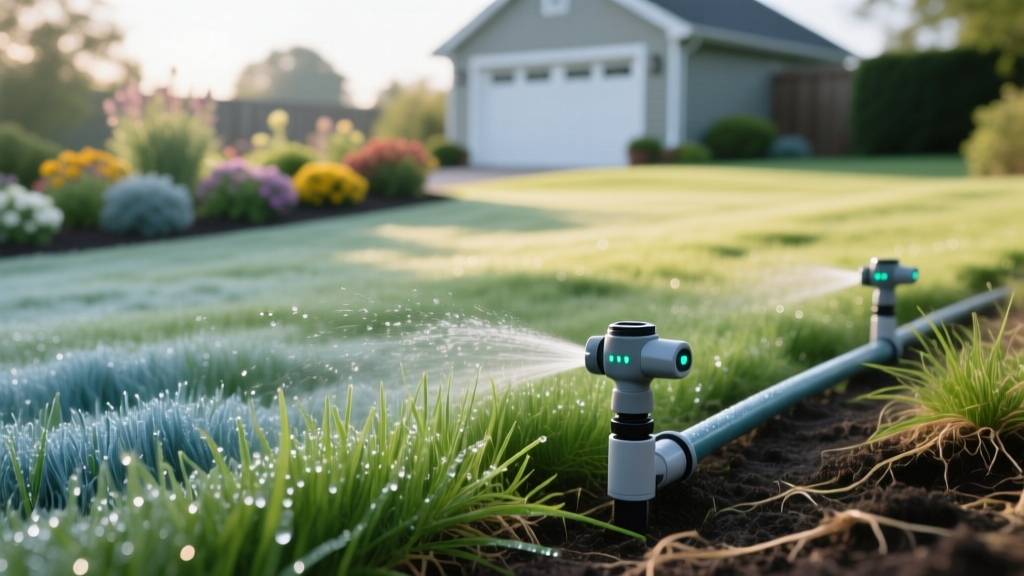
The Ultimate Cool-Season Lawn Care Schedule & Smart Irrigation Guide
Sarah ChenPublished
Introduction to Cool-Season Grasses and Smart Landscaping
Cool-season grasses, including Kentucky Bluegrass, Tall Fescue, and Perennial Ryegrass, are the backbone of northern and transitional zone lawns. These grasses thrive in the moderate temperatures of spring and fall but face severe stress during the peak heat of summer. Maintaining a lush, energy-efficient landscape requires more than just guesswork; it demands a strict, month-by-month lawn care schedule paired with modern smart home integration. By bridging the gap between traditional horticulture and smart irrigation technology, homeowners can conserve water, reduce utility bills, and maintain a pristine outdoor living space.
According to the EPA WaterSense program, outdoor water use accounts for nearly 30% of total household water consumption, with more than half of that being wasted due to evaporation, wind, or inefficient irrigation systems. Upgrading to a smart irrigation schedule and following a precise seasonal checklist is the most effective way to combat this waste. Below is your comprehensive, actionable guide to managing a cool-season lawn throughout the year.
Early Spring (March - April): Cleanup and Calibration
As the soil temperature begins to rise above 50°F, your cool-season grass wakes up from winter dormancy. This is the time for assessment and preparation, not heavy intervention.
Lawn Cleanup and Soil Testing
Start by gently raking the lawn to remove dead grass, leaves, and debris that can harbor snow mold. Avoid aggressive dethatching unless your thatch layer exceeds half an inch. Next, conduct a soil test. You can purchase a DIY kit for about $15 or send a sample to your local university extension office for roughly $20-$30. Cool-season grasses prefer a soil pH between 6.0 and 7.0. If your soil is too acidic, apply pelletized lime at the rate recommended by your test results (typically 20-50 lbs per 1,000 square feet).
Smart Irrigation Calibration
Before the heavy growing season begins, inspect your sprinkler system. Turn on each zone and check for misaligned or clogged heads. Upgrade standard spray nozzles to high-efficiency rotary nozzles, such as the Hunter MP Rotator (approx. $10 per nozzle), which apply water slower and more evenly, drastically reducing runoff. Connect your smart irrigation controller to your home Wi-Fi network and ensure the local weather station integration is active so the system can automatically skip watering during spring rain events.
Late Spring (May - June): Prepping for Summer Stress
Late spring is your last window to build deep root systems before the brutal summer heat arrives. The focus shifts to weed control, targeted fertilization, and adjusting your mowing height.
Fertilization and Weed Control
Apply a slow-release nitrogen fertilizer in late May. Products like Milorganite or Scotts Turf Builder are excellent choices. Aim to apply exactly 1 pound of actual nitrogen per 1,000 square feet. Avoid heavy, quick-release nitrogen applications late in the spring, as this forces rapid top-growth at the expense of root development, leaving the grass vulnerable to summer drought. If broadleaf weeds like dandelions are present, use a selective post-emergent herbicide containing 2,4-D, ensuring you apply it when temperatures are below 85°F to prevent lawn burn.
Mowing Height Adjustment
As temperatures climb, raise your mower deck. The University of Minnesota Extension strongly recommends mowing cool-season grasses at a height of 3 to 3.5 inches during the summer months. Taller grass shades the soil, reducing moisture evaporation and preventing weed seeds from germinating. Always follow the 'one-third rule'—never remove more than one-third of the grass blade in a single mowing.
Summer (July - August): Survival Mode and Smart Watering
Summer is a period of survival for cool-season grasses. Without adequate water, Kentucky Bluegrass and Fescue will naturally go dormant, turning brown to protect their crowns. If you choose to keep your lawn green, smart watering is non-negotiable.
Deep and Infrequent Watering
Your lawn needs 1 to 1.5 inches of water per week in the summer. Instead of watering a little bit every day, program your smart controller to water deeply 2 or 3 times a week. This encourages roots to grow deeper into the soil profile in search of moisture. Schedule your irrigation cycles to run between 4:00 AM and 6:00 AM to minimize evaporation and prevent fungal diseases that thrive on wet nighttime foliage.
Smart Irrigation Controller Comparison
Investing in a smart controller pays for itself in water savings within one or two seasons. These devices use local Evapotranspiration (ET) data and weather forecasts to adjust watering times automatically.
| Smart Controller Model | Key Features | Smart Home Integration | Estimated Cost |
|---|---|---|---|
| Rachio 3 (8-Zone) | Weather Intelligence Plus, hyper-local weather data, soil type customization | Alexa, Google Home, Apple HomeKit, IFTTT | $230 - $250 |
| Orbit B-hyve Pro | WeatherSense technology, EPA WaterSense certified, indoor/outdoor mount | Alexa, Google Home | $160 - $180 |
| Hunter Hydrawise Pro-HC | Predictive watering, flow meter integration, commercial-grade durability | Alexa, Home Assistant | $280 - $320 |
Early Fall (September - October): The Golden Window
According to experts at NC State TurfFiles, early fall is the absolute most critical time for cool-season lawn care. The soil is still warm from summer, but the air is cooling, creating the perfect environment for seed germination and root expansion.
Core Aeration and Overseeding
Relieve soil compaction by renting a core aerator (approx. $80 for a half-day). The machine should pull plugs of soil 2 to 3 inches deep and 2 to 3 inches apart. Immediately after aerating, overseed your lawn with a high-quality Tall Fescue or Kentucky Bluegrass mix. Apply seed at a rate of 3 to 5 lbs per 1,000 square feet for overseeding. Follow up with a phosphorus-rich starter fertilizer to promote rapid root development in the new seedlings.
Fall Fertilization
While the new seed is establishing, apply a high-quality fall winterizer fertilizer in late October or early November. This application is stored in the root system over the winter and provides the grass with the energy it needs to green up rapidly the following spring.
Late Fall (November - December): Winterization
As the ground begins to freeze, it is time to put the landscape to bed and protect your outdoor investments.
Final Mowing and Leaf Management
Lower your mower deck to 2 inches for the final mow of the season. This prevents the grass from matting down under heavy snow, which can lead to snow mold. Mulch any remaining fallen leaves directly into the turf; the University of Minnesota Extension notes that mulched leaves provide valuable organic matter and nitrogen to the soil as they decompose.
Irrigation System Blowout
Before the first hard freeze, you must winterize your sprinkler system. While you can use the manual drain valves on your system, the safest method is an air compressor blowout. You will need a compressor capable of delivering 20 to 50 Cubic Feet per Minute (CFM) at a maximum of 50 PSI to safely clear the lines without melting the PVC pipes or damaging the sprinkler heads. If you do not have the proper equipment, hire a professional irrigation specialist, which typically costs between $75 and $150 depending on the number of zones.
Comprehensive Month-by-Month Checklist
| Month | Primary Task | Product / Tool Needed | Estimated Cost |
|---|---|---|---|
| March | Lawn cleanup, soil testing | Spring rake, soil test kit | $20 - $40 |
| April | Irrigation calibration, pre-emergent | Hunter MP Rotators, Dimension herbicide | $50 - $100 |
| May | Slow-release fertilization | Milorganite or Scotts Turf Builder | $40 - $60 |
| June | Raise mowing height, broadleaf weed control | Mower adjustment, 2,4-D herbicide | $20 - $30 |
| July - August | Deep smart watering, drought monitoring | Smart Controller (e.g., Rachio 3) | $230 (one-time) |
| September | Core aeration and overseeding | Aerator rental, Tall Fescue seed mix | $150 - $200 |
| October | Starter fertilizer, leaf mulching | Starter fertilizer, mulching mower blade | $40 - $60 |
| November | Final mow, winterizer fertilizer | Winterizer fertilizer | $40 - $50 |
| December | Irrigation blowout, tool maintenance | Air compressor or professional service | $75 - $150 |
By adhering to this schedule and leveraging smart home technology, you transform your lawn care routine from a reactive chore into a proactive, energy-efficient landscape management system. Your cool-season grass will reward you with a dense, vibrant carpet that perfectly complements your outdoor living spaces year after year.
