Lawn Care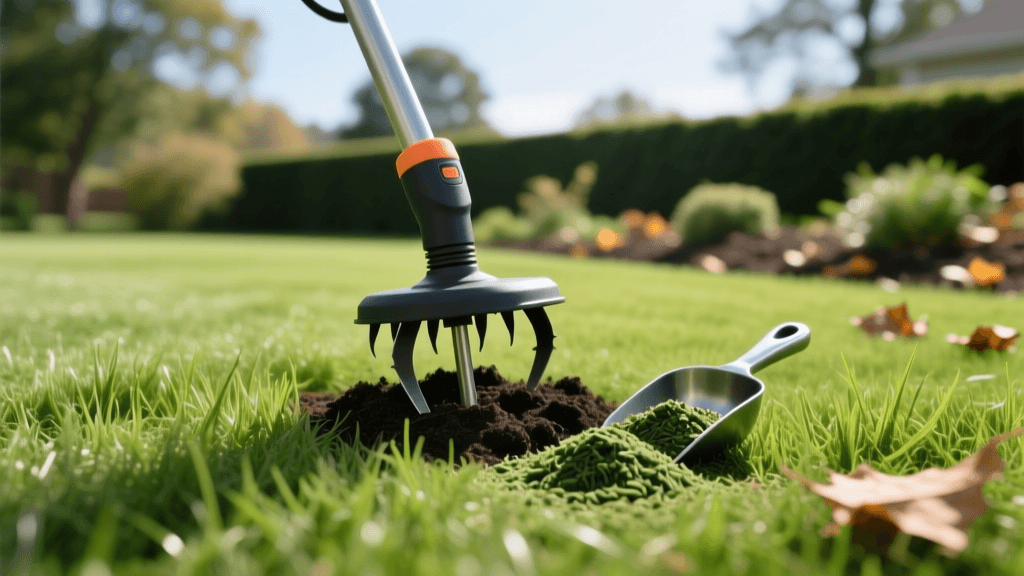
Step-by-Step Guide to Lawn Aeration and Overseeding
Why Core Aeration and Overseeding are Essential
Achieving a dense, vibrant, and weed-free lawn requires more than just regular mowing and watering. Over time, soil becomes compacted due to foot traffic, heavy equipment, and natural settling. This compaction restricts the flow of oxygen, water, and essential nutrients to the root zone, leading to thinning turf and increased susceptibility to drought and disease. Core aeration and overseeding, when performed together, form the ultimate practical defense against lawn decline.
Core aeration involves using a specialized machine to extract small plugs of soil and thatch from the lawn. This process alleviates compaction and creates physical channels for resources to penetrate deep into the soil profile. Overseeding introduces new, vigorous grass seed directly into these aeration holes, ensuring excellent seed-to-soil contact. According to the University of Minnesota Extension, combining these two practices is the most effective way to rejuvenate an aging cool-season lawn without resorting to complete renovation.
When to Aerate and Overseed
Timing is the most critical factor in the success of your lawn renovation. For cool-season grasses—such as Kentucky Bluegrass, Tall Fescue, and Perennial Ryegrass—the absolute best time to aerate and overseed is in the early fall. Specifically, target the window between late August and mid-October. During this period, daytime air temperatures are cooling down, but soil temperatures remain warm (ideally between 50°F and 65°F), which triggers rapid seed germination. Furthermore, fall weed competition is significantly lower than in the spring, giving your new grass a chance to establish before the harsh summer heat arrives.
Tools and Materials Checklist
Before beginning your weekend project, gather the necessary tools and materials. Here is a practical breakdown of what you will need and the estimated costs:
- Core Aerator (Rental): $75 - $120 per day. (Avoid spike aerators; they do not remove soil and can actually worsen compaction by pressing soil outward).
- Grass Seed: $50 - $90. Choose a high-quality, weed-free seed blend suited to your region's sun/shade conditions.
- Starter Fertilizer: $30 - $50. Look for a formulation high in phosphorus (e.g., 18-24-12) to promote rapid root development.
- Broadcast Spreader: $30 - $60 (if you do not already own one).
- Organic Compost (Optional): $5 - $8 per bag. Top-dressing after aeration improves soil biology.
Step-by-Step Aeration and Overseeding Process
Step 1: Prep the Lawn
Start by mowing your lawn shorter than usual. Lower your mower deck to a height of 1.5 to 2 inches. This ensures the grass is short enough that the seed will easily reach the soil surface rather than getting caught in the existing canopy. After mowing, thoroughly water the lawn 24 to 48 hours before you plan to aerate. The soil should be moist but not muddy. If the ground is too hard, the aerator tines will not penetrate deeply enough; if it is too wet, the machine will bog down and tear the turf.
Step 2: Execute the Core Aeration
Operate the core aerator across your entire lawn. For the best results, make at least two passes over the lawn, with the second pass running perpendicular (in a crosshatch pattern) to the first. The goal is to pull plugs that are 2 to 3 inches deep and spaced about 2 to 3 inches apart. Do not remove the soil plugs. As noted by Texas A&M AgriLife Extension, these cores will break down naturally over the next few weeks, depositing beneficial soil microbes back onto the surface to help break down thatch.
Step 3: Overseed the Lawn
Once aeration is complete, it is time to spread the seed. Calibrate your broadcast spreader according to the specific settings printed on the back of your grass seed bag. To ensure even coverage, divide your seed in half. Spread the first half walking in a north-south direction, and the second half walking in an east-west direction. Pay special attention to bare spots, lightly hand-seeding these areas for extra density. The aeration holes will catch the seed, providing a protected micro-environment for germination.
Seed Application Rates Reference Table
Applying the correct amount of seed is vital. Too little seed results in patchy establishment, while too much seed causes seedlings to compete for resources and succumb to fungal diseases. Use the following chart as a general guide for overseeding existing lawns:
| Grass Type | Overseeding Rate (per 1,000 sq ft) | Expected Germination Time |
|---|---|---|
| Tall Fescue | 4 - 6 lbs | 7 - 14 days |
| Kentucky Bluegrass | 1.5 - 2.5 lbs | 14 - 28 days |
| Perennial Ryegrass | 3 - 5 lbs | 5 - 10 days |
| Fine Fescue | 3 - 4 lbs | 7 - 14 days |
Step 4: Apply Starter Fertilizer
Immediately after overseeding, apply a high-quality starter fertilizer. New grass seedlings require a readily available source of phosphorus to develop strong root systems before winter. The Penn State Extension highly recommends conducting a soil test prior to fertilization to determine your lawn's exact nutrient deficiencies. However, if a soil test is unavailable, a standard starter fertilizer with an N-P-K ratio similar to 18-24-12 is generally safe and effective for fall seedlings. Avoid using standard "weed and feed" products, as the herbicides will inhibit the germination of your new grass seed.
Step 5: The Critical Watering Schedule
Watering is where most DIY lawn renovations fail. Grass seed must remain consistently moist until it germinates and establishes a root system. You cannot rely on a single deep watering during this phase. Instead, program your irrigation system or commit to watering manually 2 to 3 times per day for short durations (about 10 to 15 minutes per zone). The goal is to keep the top inch of soil damp, not saturated. Once the new grass reaches a height of 1.5 inches, you can gradually transition back to a deeper, less frequent watering schedule of about 1 inch of water per week.
Post-Germination Lawn Care
Patience is required during the first mow. Wait until the new grass reaches about 3.5 to 4 inches tall before mowing it down to 3 inches. Ensure your mower blades are freshly sharpened; dull blades will tear the delicate new seedlings out of the ground by the roots. Continue to monitor for weeds, but refrain from applying broadleaf herbicides until the new grass has been mowed at least three times. By following this practical, step-by-step guide, your lawn will recover from summer stress and emerge next spring as a thick, resilient, and deeply rooted turf.