Home & Garden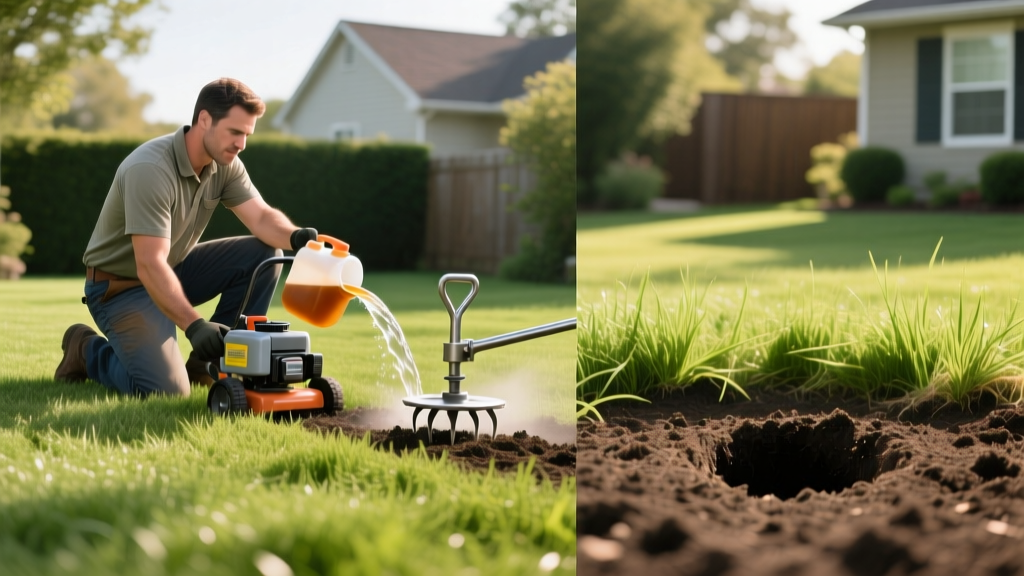
Core vs Liquid Aeration: The Ultimate Overseeding Guide
Anna KowalskiPublished
Bridging the Gap: Aeration, Overseeding, and Outdoor Living
A lush, vibrant lawn is the foundation of any great outdoor living space. Whether you are setting up a new patio dining set, planning a garden-to-table harvest party, or simply enjoying a quiet morning coffee on the deck, the quality of your turf sets the tone for your entire landscape. However, high foot traffic from outdoor entertaining, heavy clay soils, and seasonal wear can lead to severe soil compaction. This compaction chokes grass roots, thins your lawn, and creates muddy patches that easily track dirt and allergens into your indoor living spaces. This is where seasonal home maintenance intersects with turf science: aeration and overseeding. But with new products hitting the market, homeowners are increasingly asking whether traditional core aeration or modern liquid aeration is the better choice for overseeding. In this comprehensive guide, we will break down the science, costs, and practical techniques for both methods, ensuring your lawn is primed for seamless indoor-outdoor living.
Understanding Core Aeration: The Gold Standard
Core aeration is the undisputed heavyweight champion of lawn renovation. Recommended by experts at the University of Minnesota Turfgrass Science program, this mechanical process involves using a specialized machine to physically extract small plugs of soil and thatch—typically 2 to 3 inches deep and 0.5 to 0.75 inches in diameter—from the lawn.
Why Core Aeration Matters for Overseeding
When you overseed, seed-to-soil contact is the single most critical factor for germination. The holes left behind by a core aerator act as perfect, protected micro-environments for grass seed to fall into. These plugs retain moisture, protect the seed from wind and birds, and allow the emerging roots to establish deeply into the native soil profile without hitting a hardpan barrier. Furthermore, the physical removal of plugs alleviates deep soil compaction, allowing oxygen, water, and nutrients to reach the root zone of your existing turf.
Costs and Logistics
Renting a walk-behind core aerator from a local home improvement store typically costs between $80 and $120 for a half-day. If you have a large property or prefer not to wrestle with a heavy, self-propelled machine, hiring a professional lawn care service will run you $150 to $300, depending on your lot size. The physical exertion and time required are the main drawbacks, but the physical alleviation of deep soil compaction is unmatched.
The Rise of Liquid Aeration
Liquid aeration has surged in popularity as a low-effort, DIY-friendly alternative to heavy machinery. Instead of physically removing soil plugs, liquid aerators rely on chemical surfactants—often featuring ingredients like ammonium lauryl sulfate, yucca extract, or humic acids. When sprayed onto the lawn and watered in, these compounds reduce the surface tension of water, allowing it to penetrate deeply into the soil profile. This helps to break up sodium bonds in clay soils, encouraging soil particles to separate and creating microscopic pore spaces for air and water.
The Overseeding Limitation
While liquid aeration is fantastic for general soil conditioning and improving water infiltration in established lawns, it falls short when the primary goal is overseeding. Because it does not physically fracture the soil surface or create divots, it does not provide the necessary seed-to-soil contact required for high germination rates. If you spray liquid aerator and drop seed on top, much of the seed will remain on the thatch layer, vulnerable to drying out, wind, and foraging wildlife.
Costs and Logistics
A 32-ounce bottle of high-quality liquid aerator costs between $35 and $60 and covers up to 10,000 square feet. Application takes less than 20 minutes using a standard hose-end sprayer, making it incredibly appealing for quick seasonal maintenance, but it should be viewed as a soil conditioner rather than a true overseeding preparation tool.
Comparison Chart: Core vs. Liquid Aeration
| Feature | Core Aeration | Liquid Aeration |
|---|---|---|
| Mechanism | Physical removal of soil plugs | Chemical surfactants / soil conditioners |
| Compaction Relief | Excellent (Deep mechanical fracture) | Moderate (Micro-pore creation over time) |
| Seed-to-Soil Contact | Superior (Seeds fall into core holes) | Poor (Seeds remain on surface/thatch) |
| Average Cost (5k sq ft) | $100 (Rental) / $200 (Pro) | $30 - $50 (DIY Product) |
| Labor Intensity | High (Heavy machinery, flagging sprinklers) | Low (Hose-end sprayer application) |
| Best Use Case | Severe compaction & Overseeding | Routine soil conditioning & Water infiltration |
Step-by-Step Overseeding Techniques Post-Aeration
If your goal is a thick, carpet-like lawn that enhances your outdoor decor and provides a clean transition into your home, core aeration followed by precise overseeding is the path to take. Here is how to execute the project like a professional.
1. Mow Low and Clear the Canvas
Before aerating, lower your mower deck to 1.5 or 2 inches. Bag the clippings to remove excess thatch and expose the soil surface. This ensures the aerator tines can penetrate the soil easily and allows new seedlings to receive adequate sunlight without being smothered by existing tall grass.
2. Core Aerate in Multiple Directions
Mark all shallow irrigation heads and cable lines with landscape flags. Run the core aerator over the lawn in one direction, and then make a second pass perpendicular to the first. This creates a dense grid of holes, maximizing the opportunities for seed-to-soil contact.
3. Select and Spread the Right Seed
Choose a seed blend that matches your climate and sun exposure. For cool-season lawns, a mix of Tall Fescue and Kentucky Bluegrass offers excellent durability for high-traffic outdoor living areas. According to regional guidelines from Penn State Extension, cool-season grasses should be overseeded in late summer to early fall when soil temperatures are between 50°F and 65°F. Apply the seed using a broadcast spreader at a rate of 5 to 8 lbs per 1,000 square feet, ensuring the seed fills the aeration holes.
4. Topdress and Fertilize
Lightly rake the lawn to work the seed into the aeration holes. Apply a thin layer (about 1/4 inch) of screened compost or peat moss as a topdressing to lock in moisture. Follow this with a high-phosphorus starter fertilizer (e.g., 18-24-12) to promote rapid root development.
Smart Home Integration: Irrigation for Seed Germination
Germination requires consistent, gentle moisture. Traditional irrigation timers often overwater or underwater, leading to seed rot or drying out. This is where smart home integration elevates your seasonal maintenance. According to the EPA WaterSense program, upgrading to a weather-based smart irrigation controller can save thousands of gallons of water while providing precise moisture levels tailored to your microclimate.
For newly overseeded lawns, program your smart controller to utilize 'micro-cycling.' Instead of one long 20-minute soak, set the system to run 3 to 4 short bursts of 3 to 5 minutes each day. This keeps the top inch of soil consistently damp without creating puddles that drown the seed, cause runoff, or invite fungal diseases like Pythium blight. Many smart controllers also connect to local weather stations, automatically skipping cycles if rain is detected, ensuring your DIY garden project remains both effective and energy-efficient.
The Indoor-Outdoor Connection
Investing time and resources into core aeration and overseeding does more than just boost your curb appeal; it fundamentally improves the bridge between your indoor and outdoor environments. A dense, healthy lawn acts as a massive natural filter. It traps dust, pollen, and particulate matter before it can blow into your home through open windows, directly improving your indoor air quality. Furthermore, a thick turf eliminates the mud and bare dirt that pets and children track across your hardwood floors and carpets after playing outside.
By choosing the right aeration method, following precise overseeding techniques, and leveraging smart irrigation technology, you are not just growing grass—you are cultivating a pristine, functional extension of your home's living space. Whether you are hosting a summer barbecue or enjoying a quiet autumn evening by the fire pit, a well-aerated and overseeded lawn ensures your outdoor oasis remains lush, resilient, and inviting year-round.
