Home & Garden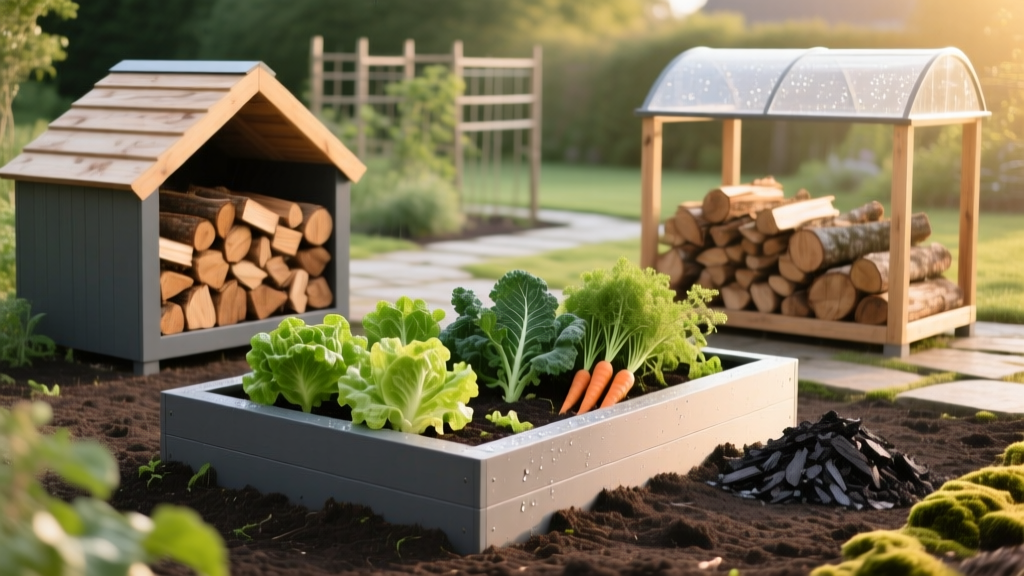
Covered vs Open-Air Firewood Racks for Raised Beds 2026
Robert HayesPublished
Integrating Firewood Storage into Your Raised Bed Garden Layout
As we navigate the 2026 growing season, the modern homesteader is increasingly blending the aesthetics of outdoor living with practical, garden-to-table food production. Raised bed vegetable gardening remains the cornerstone of this movement, offering superior soil control, drainage, and ergonomic benefits. However, a truly self-sustaining garden ecosystem often extends beyond the wooden or steel borders of your planting boxes. For those who heat their homes or enjoy outdoor fire pits, firewood storage is a critical component of the yard's infrastructure. The way you season and store your firewood—specifically the choice between covered storage racks and open-air stacking—has a profound, often overlooked impact on the health, pest resistance, and soil fertility of your nearby raised vegetable beds.
Wood ash from properly seasoned hardwood is a premier organic soil amendment, rich in potassium, calcium, and trace micronutrients essential for robust tomato, pepper, and brassica yields. Yet, harvesting this 'garden gold' requires strategic firewood management. In this comprehensive 2026 guide, we will explore the covered versus open-air firewood seasoning methods, analyzing how each approach influences garden pest dynamics, soil amendment quality, and spatial planning around your raised beds.
The Role of Seasoned Firewood in Raised Bed Gardening
Before debating storage methods, it is vital to understand why firewood seasoning matters to the vegetable gardener. Burning 'green' or unseasoned wood produces excessive creosote and acidic smoke, yielding ash that can harm delicate root systems and disrupt the carefully balanced pH of your raised bed soil mixes. Properly seasoned wood, dried to a moisture content below 20%, burns cleanly and leaves behind a sweet, alkaline ash that acts as a fast-acting lime substitute.
According to experts at Penn State Extension, wood ash can significantly raise soil pH and provide vital nutrients, but it must be sourced from clean, untreated, and thoroughly dried hardwoods. The seasoning process, which typically takes six to twelve months depending on your climate, is where your choice of storage infrastructure becomes paramount. The environment in which your wood cures will dictate not only the quality of the wood itself but also the microclimate immediately surrounding your garden.
Open-Air Firewood Seasoning: Pros, Cons, and Garden Impact
The traditional open-air seasoning method involves stacking split wood on pallets or pressure-treated timbers, leaving the sides fully exposed to the wind and sun while occasionally using a loose tarp over the very top. For decades, this has been the default approach for rural homesteads.
The Advantages of Open-Air Stacking
- Maximum Airflow: Unobstructed cross-breezes accelerate the evaporation of internal wood moisture, which is crucial in humid climates.
- Cost-Effectiveness: Open-air stacking requires minimal investment, often utilizing repurposed shipping pallets and basic cordwood.
- Scalability: You can easily expand an open-air stack as your firewood needs grow throughout the autumn harvest.
The Risks to Your Raised Beds
While open-air seasoning is excellent for the wood, it poses distinct risks to adjacent raised bed gardens. The primary concern in 2026 is pest harborage. The damp, shaded microclimate at the base of an open-air woodpile is a magnet for garden pests. Slugs, pillbugs, earwigs, and even rodents will nest in the bottom layers of the woodpile. As your raised beds provide a lush, irrigated canopy of vegetables, these pests will inevitably migrate from the woodpile to your crops, devastating tender seedlings and ripening fruits.
Furthermore, termites and carpenter ants are naturally drawn to decaying wood. If your open-air stack is placed too close to cedar or untreated pine raised beds, you risk inviting wood-destroying insects directly into your garden infrastructure. The Don't Move Firewood campaign consistently warns that improperly stored outdoor wood piles are primary vectors for invasive pests and localized infestations that can easily spill over into landscaped and garden areas.
Finally, open-air stacking exposes the bottom layers to ground moisture and rain splash-back. This makes harvesting clean, dry wood ash nearly impossible, as the ash becomes a wet, leached sludge that has lost much of its water-soluble potassium.
Covered Firewood Storage Racks: Pros, Cons, and Garden Impact
In recent years, the market has seen a surge in engineered covered firewood storage racks. The top models of 2026 feature powder-coated, rust-resistant steel frames paired with heavy-duty, UV-treated canvas covers that shield the wood from precipitation while allowing for strategic ventilation.
The Advantages of Covered Racks
- Pest Mitigation: By elevating the wood securely and enclosing the sides with fitted, pest-proof canvas or wire mesh, covered racks drastically reduce the habitat available for slugs, rodents, and termites. This creates a vital buffer zone protecting your raised beds.
- Ash Preservation: A covered rack keeps the entire woodpile dry. When you burn this wood in your outdoor fire pit or indoor stove, the resulting ash remains pristine and dry, making it easy to collect, store in a metal bucket, and apply directly to your vegetable beds.
- Aesthetic Integration: Modern covered racks offer a clean, structured look that complements contemporary garden designs, avoiding the chaotic, sprawling appearance of a collapsing open-air pile.
The Drawbacks to Consider
The primary disadvantage of a fully covered rack is restricted airflow. If the cover is not designed with adequate lower and upper ventilation vents, moisture can become trapped inside, leading to mold and fungal growth on the wood. Additionally, high-quality steel racks with custom-fit covers represent a higher upfront financial investment compared to free pallets. However, when weighed against the cost of replacing termite-damaged raised beds or losing crops to slug infestations, the ROI of a covered rack is substantial.
Comparison Chart: Covered vs. Open-Air for the Homestead Garden
To help you make an informed decision for your 2026 garden layout, review the comparison below detailing how each method impacts the surrounding horticultural environment.
| Feature | Open-Air Stacking | Covered Steel Rack |
|---|---|---|
| Airflow & Drying | Excellent; rapid initial moisture loss. | Good (if vented); slower but more consistent drying. |
| Pest Risk to Raised Beds | High; attracts slugs, rodents, and termites. | Low; denies ground-level nesting and entry points. |
| Wood Ash Quality | Poor; bottom layers get wet, leaching nutrients. | Excellent; keeps wood and resulting ash completely dry. |
| Garden Aesthetics | Rustic, but can look messy or overgrown. | Clean, structured, and easily integrated into hardscaping. |
| Upfront Cost (2026) | $0 - $50 (pallets and tarps). | $150 - $400 (powder-coated steel and canvas). |
Strategic Placement Around Your Raised Beds
Regardless of whether you choose a covered rack or an open-air stack, placement is the most critical factor in protecting your vegetable garden. In 2026, permaculture design principles emphasize zoning—placing elements based on how often you use them and how they interact with one another.
Sunlight and Shadow Mapping: Never place a tall firewood rack on the south or west side of your raised beds. Firewood stacks can easily reach six to eight feet in height, casting long, dense shadows that will stunt the growth of sun-loving crops like tomatoes, peppers, and squash. Always position your storage on the north side of the garden, or at least 15 feet away from the nearest bed to prevent shading during the low-angle sun of early spring and late autumn.
The Pest Buffer Zone: Maintain a minimum distance of 10 to 15 feet between any firewood storage and your raised beds. This physical gap acts as a dry, exposed 'no-man's-land' that discourages soft-bodied pests like slugs and snails from crossing over to your irrigated vegetable soil. If you must store wood closer due to space constraints, a covered, fully enclosed steel rack is mandatory to prevent the woodpile from becoming a breeding ground for garden enemies.
Harvesting and Applying Wood Ash in 2026
Once your wood is properly seasoned and burned, the resulting ash is a powerful tool for the raised bed gardener. The Old Farmer's Almanac notes that hardwood ash can contain up to 10% potassium and 25% calcium carbonate, making it an exceptional amendment for acidic soils.
Before applying ash to your raised beds, always test your soil pH using a modern digital soil meter. Vegetables like potatoes and blueberries prefer acidic conditions and will suffer if wood ash is applied. Conversely, brassicas (cabbage, kale, broccoli) thrive in slightly alkaline soils and benefit greatly from a light dusting of ash to prevent clubroot disease. Apply no more than 15 to 20 pounds of ash per 100 square feet of raised bed space annually, and incorporate it deeply into the compost layer to prevent salt buildup on the soil surface.
Conclusion
The intersection of firewood storage and raised bed vegetable gardening is a prime example of holistic yard management. While the open-air seasoning method offers superior airflow and lower costs, its tendency to harbor garden pests and degrade wood ash quality makes it a risky proposition near valuable food crops. By investing in a well-ventilated, covered firewood storage rack, you not only protect your raised beds from invasive insects and rodents but also secure a steady, dry supply of nutrient-rich wood ash. As you plan your 2026 garden layout, treat your firewood storage not as an afterthought, but as an integral component of your garden's overall health and productivity.
