Home & Garden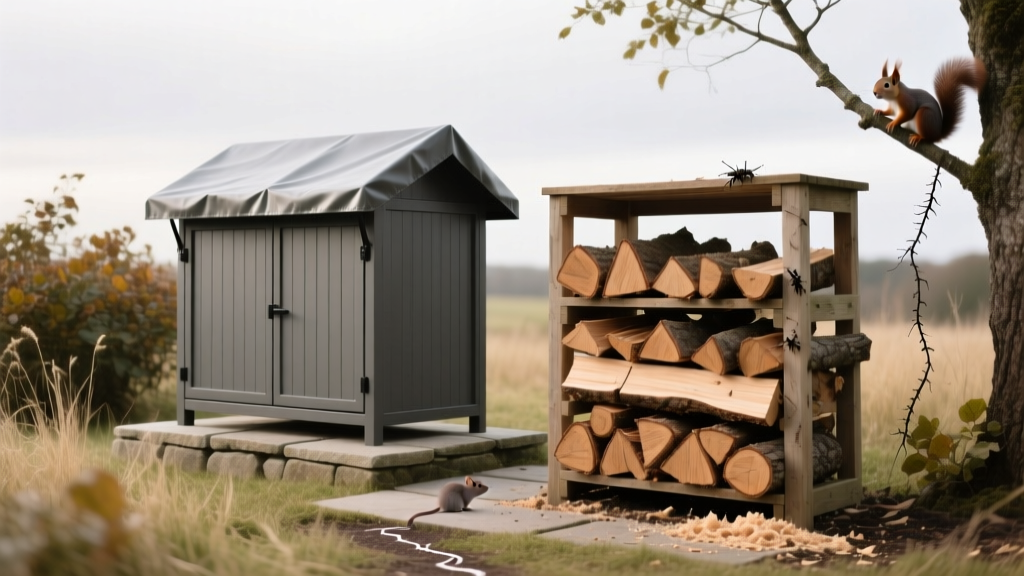
2026 Firewood Storage: Covered vs Open Racks for Wildlife
James MillerPublished
The Wildlife Dilemma: Storing Firewood in 2026
As homeowners increasingly embrace outdoor living and sustainable heating, the demand for well-seasoned firewood continues to rise in 2026. However, bridging the gap between indoor comfort and outdoor landscaping requires careful consideration of yard ecology. A stack of firewood is not merely a fuel source; it is a complex microhabitat. From the perspective of wildlife and yard animal management, how you store and season your wood directly dictates the types of creatures that will take up residence in your backyard.
Whether you opt for a traditional open-air timber crib or a modern covered steel rack, your choice influences moisture levels, temperature gradients, and physical accessibility. These factors are the primary drivers for local wildlife, including deer mice, voles, garter snakes, raccoons, and a host of wood-boring insects. Managing your firewood storage is effectively managing a localized wildlife sanctuary. In this comprehensive guide, we explore the covered versus open-air seasoning methods specifically through the lens of pest deterrence and ecological yard management.
Open-Air Seasoning: Pros, Cons, and Pest Vulnerabilities
The open-air seasoning method relies on direct exposure to sunlight and ambient wind to draw moisture out of split logs. Ideally, firewood should be dried to a moisture content of 20% or less before burning. Open-air racks, typically constructed from untreated timber or basic metal tubing without roofs or covers, offer maximum airflow and UV exposure, which can accelerate the drying process in arid climates.
The Ecological Magnet of Open Woodpiles
While open-air racks excel at rapid moisture reduction, they present significant vulnerabilities regarding yard animal management. An uncovered woodpile is highly susceptible to rain and snow, which can re-wet the outer layers of the wood. This fluctuating moisture creates an ideal environment for fungi, mold, and damp-wood insects. According to University of Kentucky Entomology, damp firewood is a primary attractant for carpenter ants, termites, and various wood-boring beetles.
Furthermore, the dark, narrow crevices between logs in an open stack provide exceptional thermal insulation. As autumn temperatures drop, rodents such as deer mice and white-footed mice actively seek out these undisturbed, dry pockets for winter nesting. The presence of a robust rodent population in your woodpile inevitably attracts secondary predators, including garter snakes, rat snakes, and even owls, fundamentally altering the wildlife dynamics of your immediate yard space.
Covered Firewood Racks: The Pest-Resistant Alternative
Covered firewood storage utilizes a roof structure—ranging from heavy-duty canvas tarps to corrugated metal overhangs—to shield the top of the woodpile from precipitation while leaving the sides open for lateral airflow. In 2026, the market has seen a surge in specialized wildlife-resistant covered racks featuring integrated mesh skirts and elevated bases designed explicitly to deter animal intrusion.
Choosing the Right Covered Rack for 2026
When selecting a covered rack for wildlife management, the material and design of the cover are paramount. A solid canvas cover that drapes all the way to the ground might keep rain off, but it traps ground moisture and creates a dark, humid tent that is highly attractive to spiders, centipedes, and rodents. Instead, modern best practices dictate using a rigid or semi-rigid cover that only shields the top 12 to 18 inches of the stack, combined with a 1/4-inch galvanized hardware cloth skirt around the base.
This configuration prevents rain from re-wetting the core of the pile while physically blocking mice and voles from entering the lower log crevices. By keeping the wood consistently dry, you also eliminate the damp conditions required by isopods (pillbugs) and carpenter ants, thereby removing the food source that attracts larger insectivorous wildlife like toads and salamanders to your patio area.
Head-to-Head Comparison: Covered vs. Open-Air Storage
To make an informed decision for your property, it is essential to weigh the practical and ecological differences between these two methods. The following table outlines the core metrics for 2026 firewood storage systems.
| Feature | Open-Air Timber Crib | Covered Steel Rack (with Mesh Skirt) |
|---|---|---|
| Seasoning Speed | Fast (6-9 months in dry climates) | Moderate (9-12 months, protected from re-wetting) |
| Rodent Intrusion Risk | High (easily accessible nesting sites) | Low (physical barrier prevents entry) |
| Snake & Reptile Habitat | High (ground-level gaps offer thermal cover) | Low (elevated base and enclosed perimeter) |
| Insect Vulnerability | High (rain exposure promotes damp-wood pests) | Low (keeps core dry, deterring carpenter ants) |
| 2026 Avg. Cost | $40 - $90 (DIY materials) | $150 - $320 (Commercial wildlife-proof units) |
| Airflow Efficiency | Maximum (360-degree exposure) | High (lateral airflow maintained) |
Strategic Placement and Yard Integration
The physical design of your rack is only half the battle; where you place it in your yard is equally critical for wildlife management. The golden rule of firewood storage is the "20-Foot Rule." Woodpiles should never be stored directly against the siding of your home or attached to wooden decks. According to the Centers for Disease Control and Prevention (CDC), eliminating harborage sites near the foundation of a structure is a primary defense against rodent infestations migrating indoors.
In 2026, smart landscaping integrates firewood storage into the broader yard design without compromising pest control. Instead of placing your rack on bare soil or organic mulch—which retains moisture and invites burrowing animals—create a dedicated pad using crushed gravel or paving stones. A 4-inch layer of sharp, angular gravel is highly uncomfortable for rodents to burrow through and provides excellent drainage, ensuring the bottom tier of your firewood rack remains bone-dry.
Expert Tips for Bug-Free, Well-Seasoned Wood
Beyond choosing between covered and open-air racks, implementing daily management habits will significantly reduce the wildlife footprint of your firewood station. Consider the following actionable strategies:
- Elevate the Base: Never store firewood directly on the ground. Use pressure-treated timber rails, concrete blocks, or heavy-duty steel tubular racks to elevate the bottom row at least 6 to 8 inches. This disrupts the moisture wicking process and removes the ground-level cover that snakes and mice rely on.
- Bark-Side Up vs. Down: For uncovered or partially covered stacks, stack wood with the bark side up. The bark acts as a natural shingle, shedding rain and snow. This prevents the inner wood from rotting, thereby deterring the fungi and decay-feeding insects that form the base of the woodpile food web.
- Avoid Chemical Pesticides: Never spray your firewood with insecticides or rodenticides. Burning treated wood releases toxic fumes into your home and yard. Instead, rely on physical exclusion (mesh skirts, covers) and environmental controls (gravel bases, sunlight) to manage pests.
- Practice FIFO (First-In, First-Out): Rotate your wood stock systematically. Older wood that has been sitting for multiple seasons becomes increasingly brittle and hollow, making it a premium real estate for solitary bees, wasps, and overwintering spiders. Burn the oldest, most seasoned wood first to constantly disrupt established wildlife habitats.
- Source Local Wood: Transporting firewood over long distances is a primary vector for invasive species like the Emerald Ash Borer and the Asian Longhorned Beetle. As noted by Penn State Extension, buying and burning local wood prevents the introduction of non-native pests that can devastate your yard's existing tree canopy.
Conclusion
Managing firewood storage is a delicate balancing act between achieving optimal moisture content for burning and maintaining a controlled, pest-free outdoor environment. While open-air seasoning offers rapid drying in specific climates, it leaves your woodpile highly vulnerable to the elements and the wildlife that seeks shelter within it. For most homeowners in 2026, a covered steel rack equipped with an elevated base and a wildlife-exclusion mesh skirt represents the superior choice. By combining the right storage hardware with strategic yard placement and a crushed gravel foundation, you can enjoy a steady supply of perfectly seasoned firewood without turning your backyard into an unintended sanctuary for rodents, snakes, and wood-destroying insects.
