Home & Garden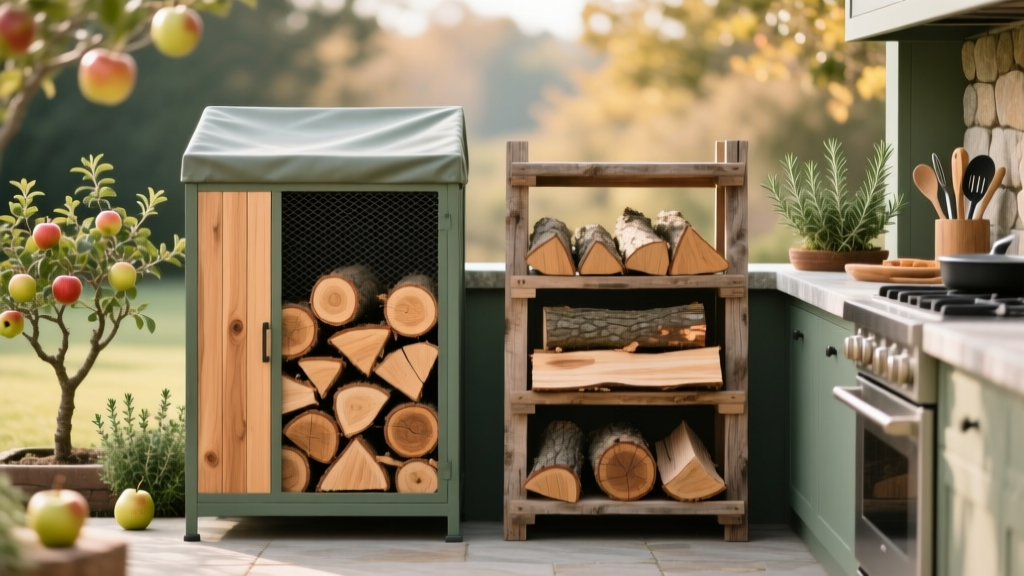
Covered vs Open Firewood Racks: 2026 Foodscaping Guide
James MillerPublished
The Evolution of Edible Landscaping in 2026
As we navigate the 2026 gardening season, the concept of edible landscaping has evolved far beyond simple raised vegetable beds and scattered fruit trees. Modern foodscaping is about creating a holistic, integrated outdoor ecosystem where every element serves a purpose. This includes the structures we build, the way we manage microclimates, and how we handle resources like firewood. For homeowners who utilize outdoor pizza ovens, smokers, and fire pits to cook their garden harvests, firewood storage is not just a utilitarian afterthought—it is a critical component of the edible landscape. The debate between covered firewood racks and open-air seasoning methods takes on a new dimension when viewed through the lens of foodscaping. How you store and season your firewood directly impacts the health of your nearby fruit trees, the vitality of your vegetable gardens, and the quality of the wood ash you produce for soil amendment. In this comprehensive 2026 guide, we will explore the pros, cons, and foodscaping implications of both covered and open-air firewood seasoning methods.The Hidden Link Between Firewood and Your Edible Landscape
Why should an edible gardener care about firewood storage? The answer lies in pest management, fungal ecology, and soil nutrition. Unseasoned or improperly stored firewood is a magnet for wood-boring insects, carpenter ants, and termites. According to the University of Minnesota Extension, firewood stacks can harbor a variety of pests that may inadvertently migrate to nearby vulnerable plants if the wood is stored improperly. In a foodscape, your prized apple, cherry, and plum trees are already susceptible to various borers and pests. Stacking open-air firewood directly on the soil near your orchard creates a breeding ground that can threaten your edible harvest. Furthermore, the way firewood is seasoned dictates how cleanly it burns. Clean-burning, properly seasoned wood yields high-quality, alkaline wood ash—a fantastic, free source of potassium and calcium for your tomato beds and brassicas. Let us break down how covered and open-air methods compare in the context of the 2026 edible garden.Covered Firewood Racks: The 2026 Foodscape Standard
Covered firewood racks feature a protective roof—typically made of corrugated metal, polycarbonate panels, or heavy-duty waterproof canvas—while leaving the sides open for airflow. In 2026, landscape architects and permaculture designers heavily favor covered racks for integrated edible landscapes for several compelling reasons.Superior Moisture Management and Pest Deterrence
The primary goal of seasoning firewood is to reduce its moisture content to below 20%, a benchmark strongly recommended by the EPA BurnWise program for efficient, clean burning. A covered rack shields the top of the woodpile from rain and snow, preventing the top layers from continually re-wetting. Because the sides remain open, prevailing winds can still circulate through the stack, drawing moisture out of the wood. From a pest management perspective, covered racks are often elevated on steel or composite feet, keeping the bottom layers dry and less attractive to termites and ground-dwelling ants. By keeping the wood dry, you also inhibit the growth of wood-decaying fungi, which can release spores that might affect susceptible edible crops in your immediate vicinity.Dual-Purpose Structures for Edible Vines
One of the most exciting 2026 foodscaping trends is using heavy-duty covered firewood racks as structural trellises. By extending the roofline of a sturdy cedar or powder-coated steel rack, gardeners are creating micro-pergolas. You can train vigorous edible climbers, such as hardy kiwi (*Actinidia arguta*), table grapes, or passionfruit, over the extended roof. The key is to prune the vines aggressively to ensure they do not block the lateral airflow required to season the wood beneath. This vertical integration maximizes yield in smaller suburban lots.Open-Air Seasoning: Traditional but Risky for Edibles
Open-air seasoning involves stacking split firewood in a sunny, windy location without any overhead protection. While this is the most traditional and cost-effective method, it presents distinct challenges for the meticulous edible gardener.The Weather Vulnerability Factor
Without a cover, your woodpile is at the mercy of the elements. While intense summer sun and wind can dry the outer layers of the wood quickly, a single heavy rainstorm can soak the top layers, resetting the seasoning clock. Wood that is repeatedly wetted and dried begins to break down, losing its structural integrity and its potential as high-quality fuel for your outdoor culinary setups.Fungal Growth and Spore Dispersal
Open-air woodpiles that remain damp on the top layers are prime real estate for saprophytic fungi and molds. While these fungi are natural decomposers, having a massive fungal fruiting body near your edible garden can increase the ambient spore load. If you are growing crops that are highly susceptible to fungal diseases—such as tomatoes (early and late blight) or cucurbits (powdery mildew)—placing a damp, open-air woodpile upwind of your garden beds is a risky strategy.Covered vs. Open-Air Seasoning: 2026 Comparison Data
To help you make an informed decision for your outdoor space, review the data table below comparing the two methods across key foodscaping metrics.| Metric | Covered Firewood Rack | Open-Air Seasoning |
|---|---|---|
| Seasoning Speed | Fast (6-9 months) | Slow/Variable (9-14 months) |
| Pest Infestation Risk | Low (if elevated) | High (ground contact) |
| Fungal/Mold Growth | Minimal | Moderate to High |
| Ash Quality for Edibles | High (clean burn) | Variable (creosote risk) |
| Foodscape Integration | Excellent (trellis potential) | Poor (visual clutter) |
Maximizing Wood Ash for Your Edible Garden
The ultimate reward for properly seasoning your firewood is the nutrient-rich ash left behind after a clean burn in your outdoor pizza oven or smoker. Wood ash is a powerhouse soil amendment, but its quality depends entirely on how the wood was stored and burned. Wood that has been seasoned under a cover burns hotter and more completely. This results in a fine, light-gray ash that is rich in calcium carbonate, potassium, and trace micronutrients. According to research published by Penn State Extension, wood ash can be used effectively to raise soil pH and provide essential nutrients to garden plants, acting similarly to agricultural lime.Best Edible Pairings for Wood Ash
- Tomatoes and Peppers: These heavy-feeding solanaceous crops thrive with the extra calcium provided by wood ash, which helps prevent blossom end rot.
- Brassicas: Cabbage, broccoli, and kale prefer slightly alkaline soils and benefit from the potassium boost.
- Stone Fruit Trees: A light application around the drip line of cherry and plum trees in early spring can improve fruit set and sweetness.
Warning: Never use ash from wood that was burned while still wet (common with poorly seasoned open-air wood). Incomplete combustion creates creosote and acidic byproducts that can harm your edible plants and disrupt your carefully balanced soil microbiome.
Strategic Placement in the 2026 Edible Landscape
Whether you choose a covered or open-air method, the placement of your firewood rack is paramount in a foodscape. Follow these 2026 best practices to ensure harmony between your wood storage and your edible plants:- Maintain Safe Distances: Always position your firewood rack at least 20 feet away from the trunks of your fruit trees and the perimeter of your raised vegetable beds. This buffer zone prevents wood-boring insects from easily migrating to your living plants.
- Elevate the Stack: Use composite lumber, concrete blocks, or steel rack feet to keep the bottom layer of wood at least 6 inches off the soil. This breaks the moisture bridge and deters termites.
- Optimize Wind Flow: Align your rack perpendicular to the prevailing winds in your yard. This ensures maximum airflow through the stack, speeding up the seasoning process and keeping the wood dry.
- Utilize Smart Moisture Meters: Take advantage of the latest 2026 Bluetooth-enabled wood moisture meters. These devices allow you to probe the core of your split logs and track the drying curve on your smartphone, ensuring you only burn wood that has reached the optimal sub-20% moisture threshold.
