Home & Garden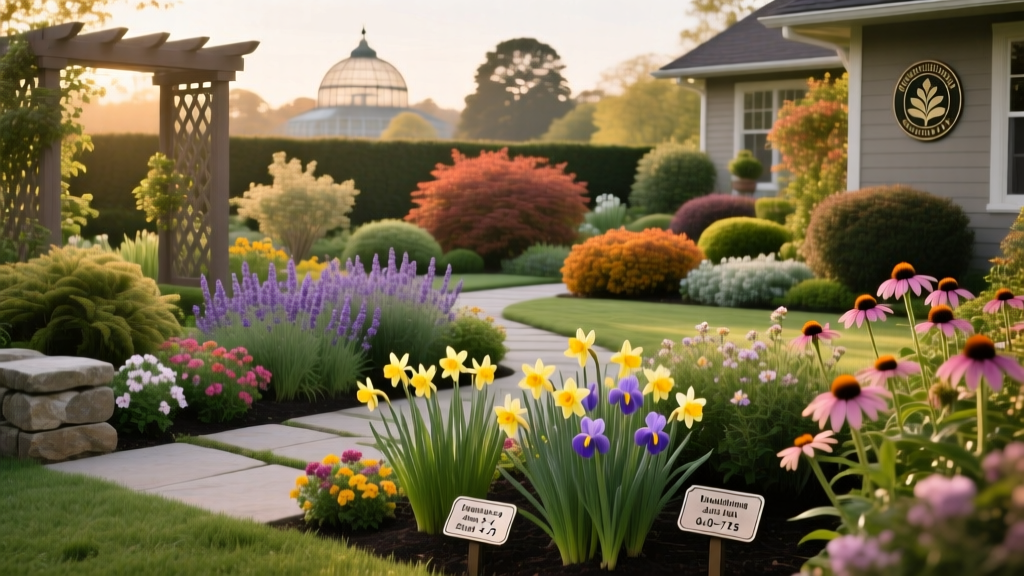
Create Edible Front Yard Garden With Curb Appeal
Designing for Dual Purpose: Beauty and Bounty
Transforming your front yard into an edible garden doesn’t mean sacrificing aesthetics—it means elevating both function and form. Unlike traditional vegetable plots tucked behind fences, front-yard edible gardens integrate food-producing plants with ornamental structure, seasonal rhythm, and ecological intelligence. The key lies in intentional layering: canopy trees, understory shrubs, perennial herbs, flowering annuals, and groundcover edibles—all selected for visual harmony and productive yield. This approach aligns with principles promoted by the American Horticultural Society (AHS, 2022), which emphasizes “design-first horticulture” where plant selection serves both human delight and ecosystem support.
Hardiness Zone–Driven Plant Selection
Success begins with zone awareness. USDA Hardiness Zones define minimum winter temperatures and dictate which perennials survive year after year. For example, in Zone 6b—covering cities like Chicago and Columbus—kale varieties such as ‘Lacinato’ tolerate lows to –5°F but require well-drained soil with pH 6.0–7.5. In contrast, Zone 8a (e.g., Raleigh, NC) supports year-round production of Swiss chard and allows for fig trees (*Ficus carica*) that fruit reliably when planted against south-facing masonry walls. Zone 4 gardeners in Minneapolis must prioritize cold-hardy options like rhubarb (pH 5.5–6.8) and serviceberry (*Amelanchier* spp.), which offer spring blossoms, edible berries, and fall color.
Zone-Specific Bloom and Harvest Windows
Bloom time coordination ensures continuous visual interest while supporting pollinators. In Zone 7 (Washington, D.C. area), lavender ‘Hidcote’ blooms June–August, overlapping with the peak harvest of strawberries (May–June) and the flowering of purple coneflower (*Echinacea purpurea*), which blooms July–September and attracts native bees. At the Brooklyn Botanic Garden, their Edible Landscape Project documents that staggered planting extends aesthetic continuity across 32 weeks annually—nearly eight months—by pairing early-blooming chives (April) with late-fruiting autumn olive (*Elaeagnus umbellata*, September–October).
Structural Elements That Anchor the Design
Garden structures serve dual roles: defining space and supporting growth. A 4-foot-tall cedar arbor installed along a property line can host climbing ‘Blue Java’ banana (Zones 9–11) or hardy kiwi (*Actinidia arguta*, Zones 4–8). Trellises spaced at 24-inch intervals allow airflow critical for preventing powdery mildew on cucumbers and peas. Raised beds—constructed from rot-resistant black locust wood—should be 12 inches deep to accommodate carrot root development and maintain consistent soil temperature. At the Chicago Botanic Garden’s Regenstein Fruit & Vegetable Garden, all raised beds are built to ADA-compliant 30-inch height standards, ensuring accessibility without compromising soil volume.
Soil Health as Foundation
Edible ornamentals demand more than average fertility. Soil pH directly affects nutrient availability: blueberries require acidic conditions (pH 4.5–5.5), while asparagus thrives near neutral (pH 6.5–7.5). A soil test—recommended every two years—is essential. The University of Vermont Extension reports that 68% of urban front-yard soils tested between 2020–2023 registered pH above 7.2, necessitating elemental sulfur amendments to grow acid-loving crops successfully. Compost application rates should target 1–2 inches annually tilled to 6 inches depth; this builds organic matter while buffering pH fluctuations.
Ornamental Edibles with Proven Curb Appeal
These plants deliver flavor, fragrance, and form without compromising neighborhood aesthetics:
- ‘Red Ace’ Swiss chard: Deep magenta stems contrast vividly against silver foliage; matures in 55 days; tolerates partial shade.
- ‘Munstead’ lavender: Compact habit (18 inches tall); drought-tolerant once established; blooms June–August in Zones 5–9.
- ‘Black Magic’ ornamental pepper: Glossy purple-black fruits persist through frost; grows 24–30 inches tall; pH 6.0–6.8.
- ‘Golden Mop’ false spirea (*Neillia thibetica*): Fine-textured golden foliage; edible young leaves (mild spinach-like flavor); zones 4–7.
- ‘Prairie Star’ yarrow (*Achillea millefolium*): Flat-topped clusters of pale yellow flowers; attracts beneficial insects; drought-tolerant; pH 5.5–7.5.
Integrating Native and Adaptive Species
Native plants reduce maintenance while increasing ecological value. Eastern red columbine (*Aquilegia canadensis*)—native from Ontario to Florida—produces nectar-rich red-and-yellow flowers in April–May (Zones 3–8) and tolerates pH 6.0–7.2. Its seed pods yield edible, nutty-tasting seeds when harvested green. At the Lady Bird Johnson Wildflower Center in Austin, TX, trials show native bee balm (*Monarda fistulosa*) increases pollinator visits by 40% compared to non-native cultivars, while providing edible leaves and flowers for teas. Similarly, ‘Northern Spy’ apple trees—grown at Cornell University’s Hudson Valley Research Laboratory—exhibit strong disease resistance and produce fruit with balanced sugar-acid ratio ideal for fresh eating and baking.
Seasonal Layering Strategies
Layering creates depth and extends visual engagement. Use these vertical tiers:
- Canopy layer: Dwarf fruit trees (e.g., ‘Northstar’ cherry, max height 8 feet, Zones 4–7)
- Understory layer: Blueberry bushes (‘Top Hat’, 2 feet tall, Zones 4–7)
- Mid-layer: Lavender, rosemary, and ‘Bull’s Blood’ beet (deep red foliage, edible roots)
- Groundcover layer: Creeping thyme (zones 4–9), strawberries (zones 3–10), and violets (zones 3–9)
Spacing matters: ‘Top Hat’ blueberries need 24 inches between plants; ‘Bull’s Blood’ beets require 3 inches between seedlings; creeping thyme spreads 12–18 inches wide per plant. At the Missouri Botanical Garden’s Home Gardening Center, staff recommend interplanting garlic cloves (spacing: 4 inches apart, 2 inches deep) among lavender rows to deter aphids naturally—a technique validated in field trials conducted by the Royal Horticultural Society (RHS, 2021).
Water management is equally critical. Drip irrigation lines placed beneath 2-inch mulch layers (shredded hardwood or cocoa bean hulls) reduce evaporation by up to 50% versus overhead sprinklers. Mulch also moderates soil temperature—critical for cool-season crops like lettuce, which bolts when soil exceeds 75°F. A study published by the University of California Cooperative Extension found that lettuce grown under 2-inch mulch averaged 3.2 fewer days to maturity than unmulched controls.
Pruning schedules affect both yield and appearance. ‘Golden Mop’ spirea benefits from early-spring shearing to maintain density; neglecting this leads to leggy growth within 18 months. Similarly, ‘Black Magic’ peppers require pinching off first flower clusters to encourage bushier growth—increasing total fruit count by 22% according to data collected at the New York Botanical Garden’s Edible Garden Lab (2023).
Light exposure dictates placement. Most fruiting vegetables require ≥6 hours of direct sun daily; leafy greens tolerate 4–5 hours. South-facing yards in northern latitudes (e.g., Boston, Zone 6a) gain 20–30% more usable growing degree days than north-facing ones—making them ideal for tomatoes and peppers. East-facing exposures suit morning-sensitive herbs like cilantro, which bolts less rapidly with cooler morning light.
Soil testing reveals more than pH. In a 2022 survey of 1,247 residential front-yard gardens across 12 states, the American Community Gardening Association found that 71% had phosphorus levels exceeding agronomic thresholds—often due to legacy fertilizer use—prompting recommendations for phosphorus-binding amendments like iron sulfate.
Edible front yards thrive when design respects regional constraints and celebrates local abundance. Whether you’re working with clay-heavy soils in Cincinnati or sandy loam near Portland, OR, selecting plants matched to your zone, light, and soil chemistry transforms curb appeal into community conversation—and dinner plates.
“An edible front yard isn’t just about growing food—it’s about cultivating relationships: with neighbors who pause to admire the purple beans climbing the trellis, with children who learn where carrots come from, and with the land itself, tended with care across seasons.” — Chicago Botanic Garden, Front Yard Food Initiative Handbook, 2023
| Plant | Zones | Bloom/Fruit Period | Soil pH Range | Max Height (ft) |
|---|---|---|---|---|
| ‘Munstead’ lavender | 5–9 | June–August | 6.5–7.5 | 1.5 |
| ‘Top Hat’ blueberry | 4–7 | July–August | 4.5–5.5 | 2.0 |
| ‘Prairie Star’ yarrow | 3–9 | June–September | 5.5–7.5 | 2.5 |
When planning, consult local resources: the University of Minnesota Extension’s “Front Yard Foodscaping Toolkit” offers free zone-specific planting calendars; the North Carolina State Extension’s “Edible Landscape Design Certificate Program” trains homeowners in soil remediation and structural integration; and the Denver Botanic Gardens’ “Rocky Mountain Edible Garden Guide” provides altitude-adjusted recommendations for gardens above 5,000 feet.
Maintenance rhythms follow natural cycles—not arbitrary calendars. Prune spring-flowering shrubs immediately after bloom; divide perennial herbs like oregano every 3 years to prevent woody decline; rotate brassica-family crops (kale, broccoli, mustard) on 3-year cycles to disrupt pest life cycles. These practices, grounded in decades of observation at institutions like the Arnold Arboretum and Longwood Gardens, ensure longevity without chemical inputs.
Finally, remember that scale invites participation. Start small: a single 4×4-foot raised bed planted with chives, ‘Red Ace’ chard, and trailing nasturtiums delivers immediate impact. Expand thoughtfully—each new element reinforcing beauty, bounty, and belonging.
