
Landscaping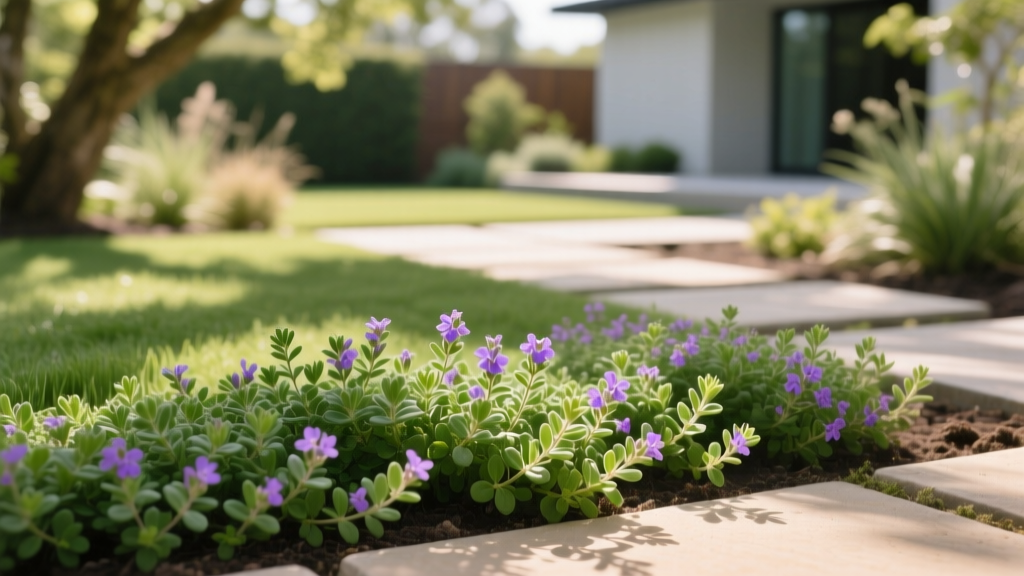
Beginner's Guide to Growing Creeping Thyme Lawn Alternatives
Emily WatsonPublished
Welcome to our Beginner-Friendly Growing Guides series. If you are tired of the endless cycle of mowing, fertilizing, and watering traditional turfgrass, it might be time to rethink your landscape design. One of the most popular, sustainable, and visually stunning lawn alternatives is creeping thyme. As a low-growing, drought-tolerant perennial groundcover, creeping thyme (Thymus serpyllum and Thymus praecox) offers a fragrant, pollinator-friendly carpet that thrives in sunny spots where turfgrass often struggles.
In this comprehensive landscaping guide, we will walk you through everything you need to know about growing creeping thyme from a beginner's perspective. From soil preparation and variety selection to exact planting measurements and first-year watering schedules, you will have all the actionable details needed to transform your yard.
Why Choose Creeping Thyme for Your Landscape?
Traditional lawns are notoriously resource-intensive. According to the EPA WaterSense program, outdoor water use accounts for nearly 30% of total household water usage, with a significant portion dedicated to keeping turfgrass green. By replacing high-maintenance grass with a xeriscaping-friendly groundcover like creeping thyme, you can drastically reduce your water footprint.
Beyond water conservation, creeping thyme offers several distinct landscaping advantages:
- Drought Tolerance: Once established, thyme requires minimal supplemental watering.
- Pollinator Magnet: Summer blooms attract bees and butterflies, supporting local ecosystems.
- Deer and Rabbit Resistant: The strong aromatic oils naturally deter browsing wildlife.
- Erosion Control: Its dense, matting root system holds soil in place on slopes and banks.
- Foot Traffic Tolerance: Many varieties can handle light to moderate foot traffic, making them ideal for pathways and patio borders.
Choosing the Right Creeping Thyme Variety
Not all thyme is created equal. When planning your landscape bed or lawn replacement, selecting the right cultivar is critical for matching your aesthetic goals and functional needs. Below is a comparison chart of the most popular beginner-friendly creeping thyme varieties.
| Variety | Mature Height | Bloom Color | Foot Traffic Tolerance | Best Landscape Use |
|---|---|---|---|---|
| Elfin Thyme | 1-2 inches | Pale Pink | High | Between stepping stones, rock gardens |
| Pink Chintz | 2-3 inches | Vibrant Pink | Moderate | Large lawn replacements, borders |
| Woolly Thyme | 3-4 inches | Rose-Pink | Low | Dry slopes, cascading over retaining walls |
| Red Creeping Thyme | 2-4 inches | Deep Crimson | Moderate to High | Pathways, high-visibility curb appeal areas |
For beginners looking to replace a large section of lawn, Pink Chintz or Red Creeping Thyme are excellent choices due to their vigorous spreading habits and reliable establishment rates.
Site Preparation: The Most Crucial Step
The biggest mistake beginners make with Mediterranean herbs is planting them in heavy, waterlogged soil. The NC State University Cooperative Extension notes that Thymus serpyllum requires excellent drainage and will quickly succumb to root rot in soggy conditions. Before you buy a single plant, you must prepare your site properly.
1. Remove Existing Turfgrass
You cannot plant thyme directly over an existing lawn. You must remove the grass and roots completely. For small areas, use a flat-edged spade to manually slice and lift the sod. For larger areas, consider solarization: mow the grass as short as possible, water deeply, and cover the area with clear UV-stabilized plastic for 4 to 6 weeks during the heat of summer. This effectively cooks the grass and weed seeds.
2. Perform a Percolation Test
Dig a hole 12 inches deep and 12 inches wide. Fill it with water and let it drain. Fill it a second time. If the water level drops by at least 1 to 2 inches per hour, your drainage is adequate. If water sits for hours, you will need to amend the soil.
3. Amend the Soil
Thyme thrives in slightly alkaline to neutral soil (pH 6.5 to 7.5). If you have heavy clay, till the top 6 inches of soil and mix in a 2-inch layer of coarse builder's sand and compost. Avoid high-nitrogen fertilizers; rich soil causes thyme to grow leggy and weak, losing its dense, mat-forming structure.
Planting Guide: Plugs vs. Seeds
While you can grow creeping thyme from seed, we highly recommend using plug trays for landscaping projects. Seeds are incredibly fine, difficult to space, and take much longer to form a walkable mat. Plugs (small, pre-rooted plants in 72-cell trays) offer instant gratification and higher success rates for beginners.
Cost and Spacing Breakdown
A standard 72-cell flat of creeping thyme plugs typically costs between $60 and $90 from wholesale or online native plant nurseries. To achieve a solid carpet within one to two growing seasons, space your plugs 8 to 12 inches apart in a staggered, diamond grid pattern.
- 8-inch spacing: Requires roughly 2.2 plugs per square foot. (A 100 sq. ft. area will need about 220 plugs, or 3 flats. Estimated cost: $180 - $270).
- 12-inch spacing: Requires 1 plug per square foot. (A 100 sq. ft. area will need 100 plugs, or roughly 1.5 flats. Estimated cost: $90 - $135).
Step-by-Step Planting Instructions
- Dig a hole slightly larger than the plug's root ball.
- Place the thyme in the hole so the crown (where the stems meet the roots) is level with the surrounding soil surface. Do not bury the stems, or they will rot.
- Backfill with native soil and gently press down to eliminate air pockets.
- Water immediately to settle the soil around the roots.
The First-Year Watering Schedule
During its first year, your creeping thyme is focused on establishing a deep, resilient root system rather than spreading horizontally. Follow this strict watering schedule to ensure survival without causing root rot:
- Weeks 1 to 3: Water lightly every 2 to 3 days. The goal is to keep the top inch of soil slightly moist but never muddy.
- Months 2 to 4: Transition to deep, infrequent watering. Apply 1 inch of water once a week, preferably in the early morning.
- Months 5 to 12: Water only during extended dry spells (more than 14 days without rain). The plants should be showing signs of lateral growth and connecting with their neighbors.
"The first year they sleep, the second year they creep, the third year they leap." This classic perennial gardening adage perfectly describes the growth habit of creeping thyme. Patience during the first season is the key to a lush, weed-suppressing landscape carpet in the years to come.
Long-Term Maintenance and Weed Control
Once your creeping thyme has filled in and formed a dense canopy, it will naturally suppress most weeds. However, during the establishment phase, weeds are your biggest threat. Because you cannot use broadleaf weed killers (they will kill the thyme), you must rely on manual weeding. Carefully pull weeds by the root when the soil is damp.
According to the Missouri Botanical Garden, creeping thyme is generally free of serious insect or disease problems, provided it is not subjected to poor drainage. If you notice fungal issues or yellowing leaves, it is almost always a sign of overwatering or compacted soil. Aerate the area gently with a garden fork if water begins pooling on the surface.
Managing Foot Traffic
While varieties like Elfin and Red Creeping Thyme can handle light foot traffic, they are not a replacement for turfgrass in high-impact areas like a soccer field or a primary dog run. To protect your investment in high-traffic zones, install flagstone or concrete stepping stones spaced 18 inches apart. Plant the thyme in the gaps between the stones. This creates a beautiful, functional hardscape-softscape hybrid that protects the plant crowns from being crushed.
Frequently Asked Questions
Will creeping thyme survive harsh winters?
Yes. Most creeping thyme varieties are cold-hardy in USDA Zones 4 through 9. In zones with heavy snowfall, the snow actually acts as an insulating blanket, protecting the evergreen to semi-evergreen foliage from harsh, drying winter winds.
Does it attract bees? Is it safe for bare feet?
Creeping thyme produces tiny nectar-rich flowers that attract honeybees and native pollinators. While the fear of stepping on a bee barefoot is common, thyme blooms are so low to the ground and the plant is so fragrant that bees typically move on quickly. If you have severe bee allergies or young children, you can easily mow or trim the flowers off with a string trimmer set on high before they fully open.
How do I edge the thyme to keep it out of my garden beds?
Thyme spreads via shallow runners. To keep it contained, install metal or plastic landscape edging at least 4 inches deep around the perimeter of your planting area. Alternatively, a sharp trench maintained once a year with a half-moon edger will easily keep the groundcover in bounds.
By swapping out your thirsty turf for a vibrant, fragrant carpet of creeping thyme, you are investing in a sustainable, low-maintenance landscape that pays dividends in curb appeal, ecological health, and weekend free time. Grab your plugs, test your soil drainage, and start your groundcover journey today.

