Lawn Care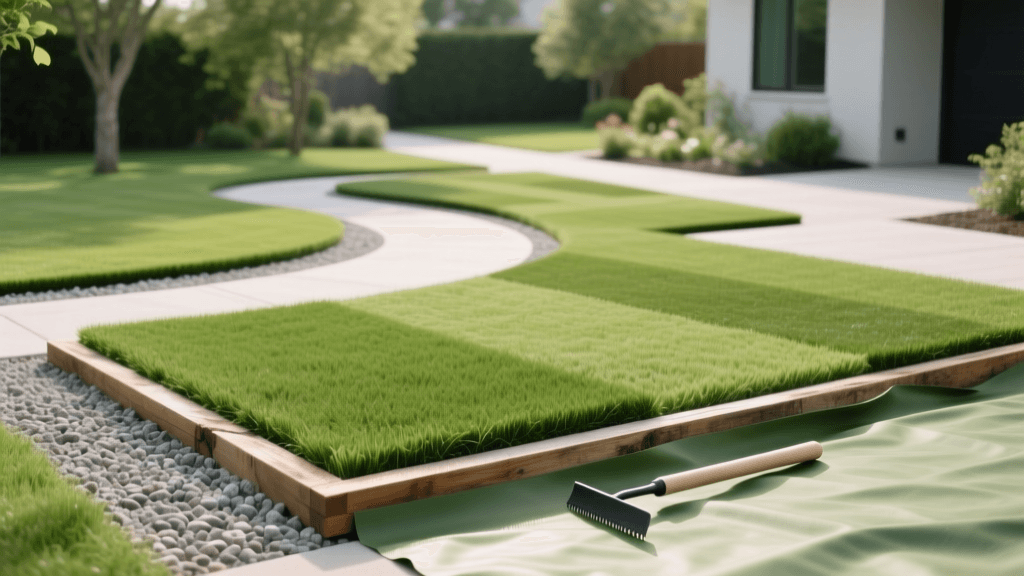
How to Design Low-Maintenance Lawn Shapes and Borders
When planning a landscape, most homeowners focus on curb appeal, plant colors, and patio materials. However, from a lawn care perspective, the physical shape and layout of your turfgrass dictate the time, money, and effort you will spend on weekly maintenance. A poorly designed lawn with narrow corridors, sharp acute angles, and scattered obstacle islands can turn a straightforward 30-minute mowing job into a frustrating 90-minute ordeal. By approaching lawn design with maintenance in mind, you can create a beautiful outdoor space that is inherently easier to mow, edge, water, and fertilize.
The Principles of Practical Lawn Zoning
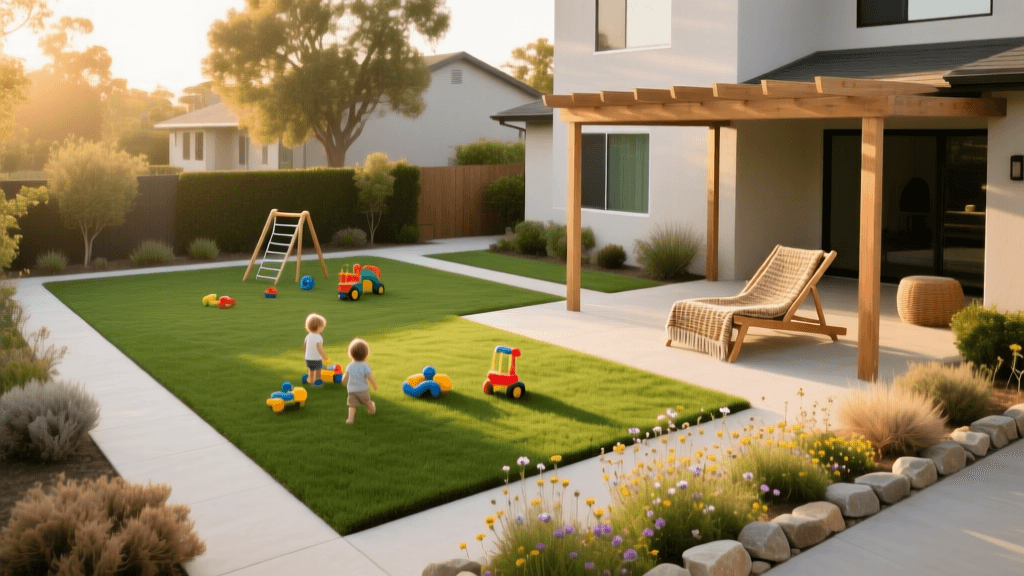
Before drawing any curves or laying sod, divide your property into functional zones. This planning stage prevents you from planting high-maintenance turfgrass in areas where it serves no practical purpose. Professional landscape architects typically divide yards into three primary zones:
- Primary Zones: These are high-traffic areas used for play, entertaining, or frequent walking. They require durable, fast-recovering grass types and regular fertilization.
- Secondary Zones: These are visual spaces that frame the property but rarely endure foot traffic. They can be planted with slower-growing, lower-maintenance grass blends or replaced entirely with groundcovers.
- Transition Zones: The borders between turf and hardscapes or garden beds. Proper planning here dictates how easily you can edge and string-trim the lawn.
By limiting your Primary Zones to only the areas that truly need durable turf, you instantly reduce the square footage of lawn that requires intensive aeration, overseeding, and weekly mowing.
Designing Lawn Shapes for Mowing Efficiency
The geometry of your lawn directly impacts the wear and tear on your mower and the physical strain on your body. The goal of maintenance-friendly design is to allow the mower to make continuous, sweeping passes without requiring constant stopping, reversing, or maneuvering.
The Sweeping Curve Rule
Avoid sharp, acute angles in garden beds that intrude into the lawn. When a mower reaches a sharp corner, the operator must brake, turn the deck, and reverse, which leads to uneven cutting and turf scuffing. Instead, design garden borders with sweeping, convex curves. A good rule of thumb is to ensure that any curve in your landscape border has a radius wider than the turning radius of your specific mower. For a standard 21-inch push mower, curves should have a minimum radius of 3 feet. For a 42-inch riding tractor, curves should be at least 6 feet wide to prevent the inside rear wheel from pivoting and tearing the grass.
Eliminating Narrow Corridors and Grass Fingers
Narrow strips of grass between garden beds, fences, or property lines are notorious time-wasters. If a strip of grass is narrower than your mower deck, you are forced to mow it in a slow, linear back-and-forth pattern, often requiring a secondary pass with a string trimmer. When planning your layout, consolidate narrow grass fingers into wider, unified planting beds. If you must maintain a narrow path, consider replacing the turf with a hardscape walkway, mulch, or a low-growing, drought-tolerant groundcover like creeping thyme or sedum.
Strategic Hardscape Borders and Mowing Strips
One of the most effective design strategies for reducing lawn care labor is the installation of a flush mowing strip. A mowing strip is a continuous band of hardscape material installed at the exact same height as the turfgrass canopy. This allows you to run one wheel of the mower directly on the border, eliminating the need for a string trimmer along fences, walls, and garden beds.
According to the Environmental Protection Agency (EPA), reducing the amount of turfgrass and integrating smart hardscape borders not only saves time but also significantly reduces the water and chemical runoff associated with over-edging and improper trimming. Below is a comparison of common edging materials and their impact on lawn maintenance.
| Edging Material | Avg. Cost (Per Linear Ft.) | Durability | Lawn Care Impact |
|---|---|---|---|
| Steel Edging | $3.50 - $5.00 | High | Provides a clean, nearly invisible barrier; allows flush mowing without string trimming. |
| Concrete Pavers | $4.00 - $8.00 | Very High | Creates a wide, stable mowing strip; excellent for supporting heavy riding mowers. |
| Plastic Bends | $1.50 - $3.00 | Low | Prone to heaving in freeze-thaw cycles; often creates a lip that traps mower wheels. |
| Poured Concrete | $8.00 - $15.00 | Maximum | Permanent and highly effective, but difficult to modify if landscape plans change later. |
Tree Rings and Root Protection Zones
Planting grass right up to the trunk of a tree is a common design mistake that creates endless maintenance headaches. Mowing around exposed surface roots risks damaging both the tree and the mower blade, while string trimming near the trunk can girdle and kill the tree. When planning your layout, design generous, circular tree rings filled with mulch or shade-tolerant groundcovers. The ring should extend at least to the drip line of the tree, or a minimum of 3 feet in radius from the trunk. This not only protects the tree but also removes a major obstacle from the mowing path, allowing for wide, sweeping turns.
Sunlight Mapping and Turfgrass Selection
A beautifully designed lawn shape will still fail if the wrong grass is planted in the wrong microclimate. Before finalizing your turf zones, spend a weekend mapping the sunlight patterns across your yard. Note which areas receive full sun (6+ hours), partial shade (4-6 hours), and heavy shade (under 4 hours). The Clemson University Home & Garden Information Center emphasizes that matching grass species to site-specific light conditions is the single most important factor in long-term lawn health. For heavily shaded zones where turfgrass consistently thins out, redesign the space into a shade garden featuring hostas, ferns, or moss, thereby eliminating the futile cycle of annual overseeding and soil testing in areas where grass simply cannot thrive.
Hydrozoning: Planning Irrigation Layouts
Efficient lawn care extends beneath the soil surface. Hydrozoning is the practice of grouping plants and turf areas with similar water requirements together, ensuring that your irrigation system operates at peak efficiency. When designing your lawn layout, ensure that your primary turf zones are isolated on their own irrigation valves, separate from ornamental shrubs or drought-tolerant garden beds. The University of California Agriculture and Natural Resources department strongly advocates for hydrozoning to prevent the overwatering of established trees and the underwatering of shallow-rooted turfgrass. By planning your sprinkler head placement and turf boundaries concurrently, you avoid the common issue of spray heads watering the side of your house or the street, saving hundreds of dollars in water costs annually.
A well-planned lawn is a partnership between nature and geometry. When you design the boundaries to accommodate the machine, the machine takes better care of the grass.
Conclusion
Designing a low-maintenance lawn is not about eliminating turfgrass; it is about placing it strategically and framing it intelligently. By utilizing sweeping curves, installing flush mowing strips, protecting tree roots, and mapping your sunlight and irrigation zones, you transform lawn care from a weekly chore into a seamless, efficient routine. Take the time to plan your shapes and borders before you lay the sod, and your future self will thank you every time you start the mower.