Lawn Care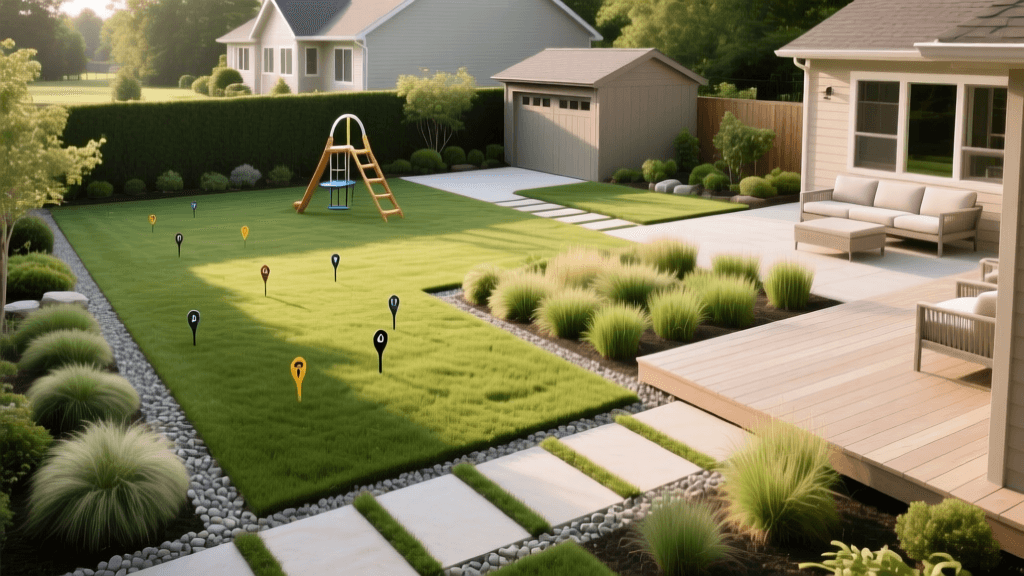
Designing Functional Lawn Zones And Yard Traffic Flow
The Art and Science of Functional Lawn Zoning
Designing a beautiful, sustainable yard goes far beyond simply laying down sod and hoping for the best. True landscape planning requires a strategic approach to how your outdoor space is used, maintained, and enjoyed over time. By implementing functional lawn zoning, you can drastically reduce your weekend maintenance chores, lower your water bills, and create a visually stunning property that caters to your family's specific needs. Whether you have a sprawling suburban lot or a compact urban garden, mapping out your yard into distinct functional zones is the first step toward a smarter, more resilient landscape.
Step 1: Mapping Your Yard and Identifying Traffic Patterns
Before purchasing any seed, soil amendments, or hardscaping materials, you must understand how your family and guests naturally move through the space. Spend a week observing your yard. Note where the grass is thinning due to heavy foot traffic, where water pools after a rainstorm, and which areas receive full sun versus deep shade. These natural desire lines and microclimates will dictate your zone boundaries. For example, if your children always cut across the same corner of the lawn to reach the backyard gate, do not try to force grass to grow there. Instead, plan for a durable pathway or a low-maintenance groundcover that embraces the traffic flow.
Step 2: Defining Your Lawn Zones
According to the Clemson University Home & Garden Information Center, successful landscape planning relies on dividing your property into distinct functional areas based on their intended use. This prevents the common mistake of treating the entire yard as a single, high-maintenance monoculture. Here is how you should categorize your lawn zones:
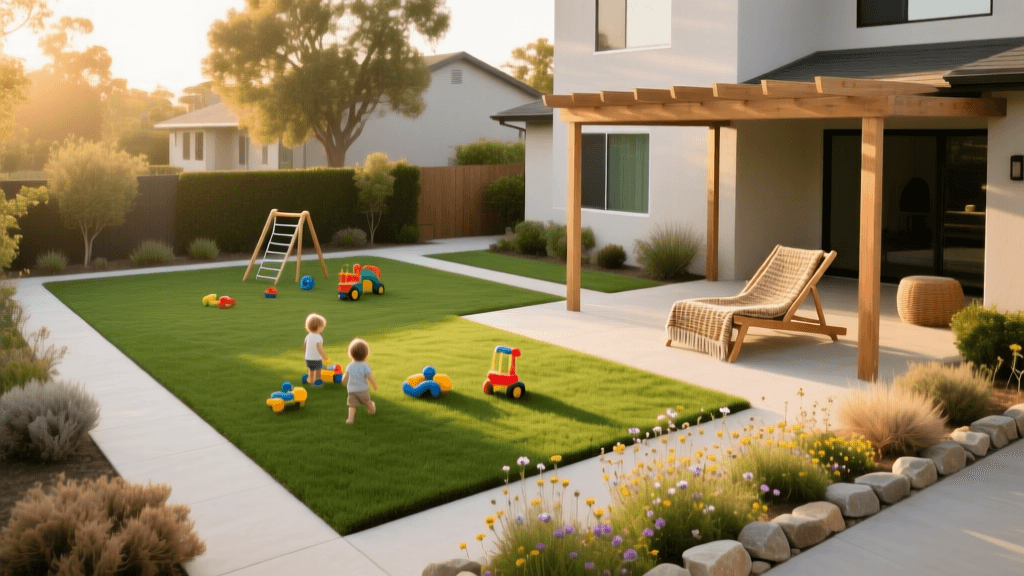
- Primary Zones (High Traffic): These are the workhorses of your yard. They include play areas for children, spaces for pets, and the immediate areas surrounding patios or decks where you entertain guests. These zones require the most durable, wear-tolerant grass species and regular maintenance.
- Secondary Zones (Visual and Light Use): These areas are primarily for aesthetics and curb appeal. They might include the front yard or the perimeters of your property. Foot traffic here is minimal, allowing you to prioritize visual appeal and drought tolerance over extreme wear resistance.
- Tertiary Zones (Eco and Natural Areas): Often located at the back edges of the property, in deep shade, or on steep slopes, these zones are perfect for low-maintenance alternatives like clover, native ornamental grasses, or mulch beds. They support local pollinators and reduce the need for mowing and fertilization.
To help you budget and plan, review the comparison chart below:
| Zone Type | Primary Use | Recommended Grass / Groundcover | Maintenance Level | Est. Installation Cost |
|---|---|---|---|---|
| Primary (High Traffic) | Play, entertaining | Kentucky Bluegrass, Bermuda | High | $0.15 - $0.30 / sq ft (sod) |
| Secondary (Visual) | Aesthetics, light walking | Fine Fescue, Zoysia | Medium | $0.10 - $0.20 / sq ft (seed) |
| Tertiary (Eco/Natural) | Habitat, runoff control | Microclover, Native Grasses | Low | $0.05 - $0.10 / sq ft |
Step 3: Selecting the Right Turfgrass for Each Zone
Choosing the correct grass species is critical for the long-term success of your design. The University of Minnesota Extension emphasizes that matching the turfgrass to the site conditions and intended use is the most important decision a homeowner can make. For Primary Zones in cool-season climates, a blend of Kentucky Bluegrass and Perennial Ryegrass offers rapid recovery from damage and excellent wear tolerance. Products like Pennington Smart Seed Kentucky Bluegrass are engineered with built-in fungicides and drought resistance, making them ideal for high-stress areas.
For Secondary Zones, especially those with partial shade, Fine Fescues (such as Creeping Red Fescue or Chewings Fescue) are exceptional choices. They require less nitrogen fertilizer—typically just 1 to 2 pounds of actual nitrogen per 1,000 square feet annually—and thrive in cooler, shadier microclimates. In warm-season regions, Zoysia grass is a premier choice for both primary and secondary zones due to its dense growth habit, which naturally chokes out weeds and withstands moderate foot traffic.
Step 4: Integrating Hardscaping and Pathways
To protect your Primary Zones and guide foot traffic, you must integrate intentional hardscaping. A well-designed pathway not only saves your grass from soil compaction but also adds structural elegance to your landscape design. When planning pathways, adhere to these standard measurements:
- Main Pathways: Should be 36 to 48 inches wide to comfortably accommodate two people walking side-by-side or a standard wheelbarrow.
- Secondary Paths: Can be narrower, typically 24 to 30 inches wide, suitable for single-file access to a garden bed or compost bin.
For materials, consider using permeable pavers or compacted decomposed granite (DG). Permeable pavers cost between $5 and $10 per square foot installed but allow rainwater to infiltrate the soil, reducing runoff. If using DG, excavate the path to a depth of 4 inches, lay down a heavy-duty woven geotextile landscape fabric to prevent weed growth, and add a 2-inch layer of DG topped with a 1-inch layer of finer crushed stone. Compact it thoroughly with a plate compactor. This creates a durable, natural-looking path that costs roughly $1.50 to $2.50 per square foot in materials.
Step 5: Planning for Irrigation and Hydrozoning
Efficient water management is a cornerstone of modern lawn design. The concept of hydrozoning involves grouping plants and turfgrasses with similar water requirements together, ensuring that you do not overwater drought-tolerant zones just to keep a high-maintenance zone green. The EPA WaterSense program strongly recommends hydrozoning to reduce outdoor water waste, which accounts for nearly 30% of total residential water use in the United States.
When installing an irrigation system, set up separate valves for your Primary, Secondary, and Tertiary zones. Primary zones may require deep, infrequent watering—about 1 to 1.5 inches per week, including rainfall, to encourage deep root growth. Tertiary zones planted with native grasses or drought-tolerant groundcovers like creeping thyme may only require supplemental watering during extended summer dry spells. Invest in a smart Wi-Fi irrigation controller, such as the Rachio 3 or Orbit B-hyve, which adjusts watering schedules based on local weather forecasts and soil moisture levels, saving you time and money while keeping your lawn perfectly hydrated.
Conclusion
Designing functional lawn zones and planning your yard's traffic flow is an investment in both your property's value and your personal time. By mapping your space, selecting the right turfgrass for specific uses, integrating durable hardscaping, and implementing smart irrigation strategies, you create a dynamic landscape that looks incredible and performs flawlessly. Take the time to plan your zones this season, and enjoy a healthier, more sustainable lawn for years to come.