Lawn Care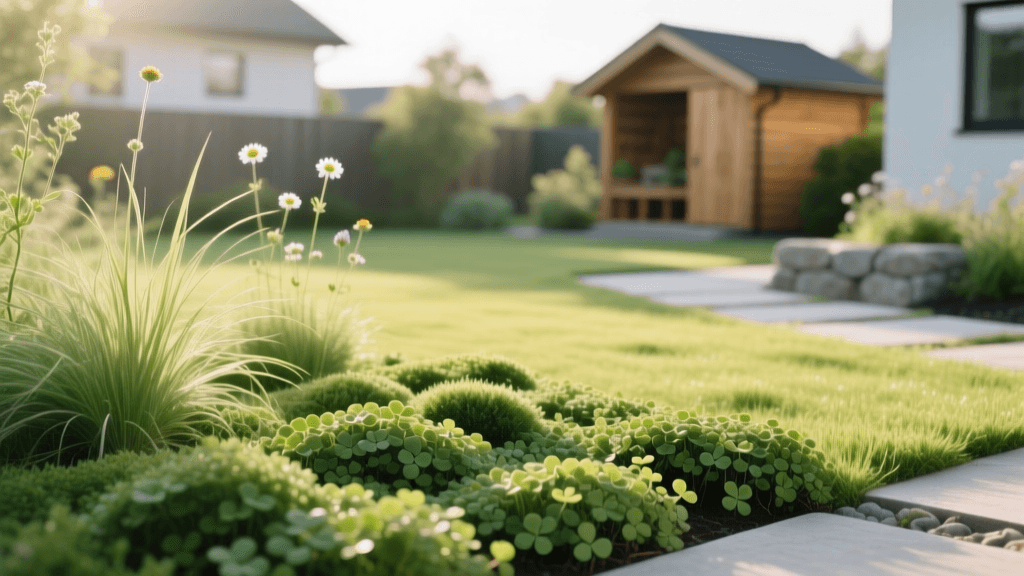
Designing a Low-Maintenance Eco-Lawn: Planning Guide
The Shift Toward Sustainable Lawn Design
When planning a new landscape or renovating an existing yard, the traditional carpet of Kentucky Bluegrass or Perennial Ryegrass is no longer the only option. In fact, for many homeowners, the high water, fertilizer, and mowing requirements of conventional turf are becoming unsustainable. Enter the eco-lawn: a thoughtfully designed, low-maintenance alternative that blends drought-tolerant grasses, nitrogen-fixing legumes, and low-growing broadleaf plants. Designing an eco-lawn is not about letting your yard go wild; it is a strategic planning process that balances ecological benefits with neighborhood aesthetics. By integrating species like fine fescues and microclover, you can create a lush, green landscape that requires a fraction of the water and chemicals used on traditional lawns. According to the EPA WaterSense Program, strategic landscaping and hydrozoning can reduce outdoor water use by 20% to 50%, making eco-lawns a powerful tool for environmental conservation and long-term cost savings.
Assessing Your Yard: Sun, Soil, and Traffic
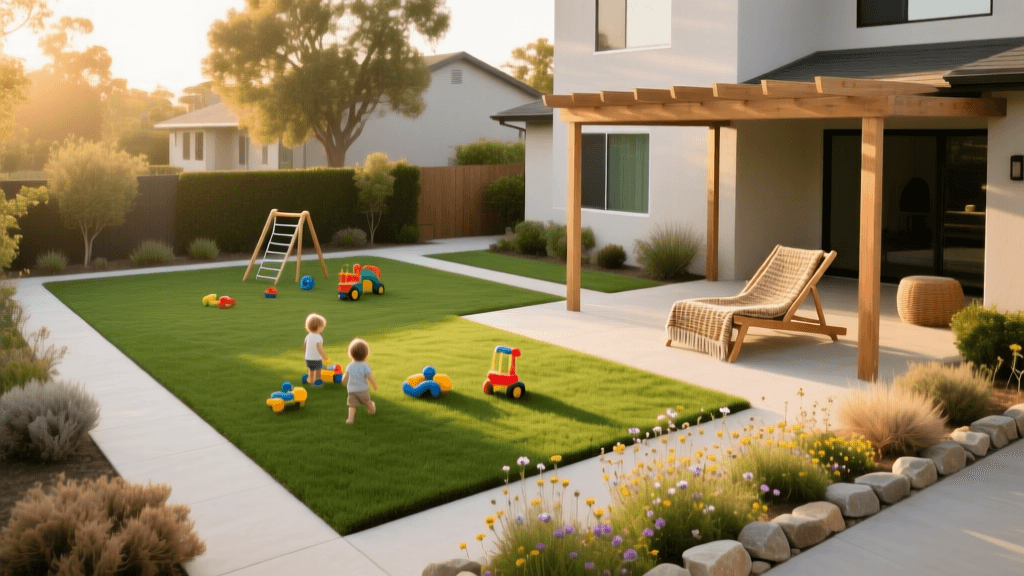
Before purchasing seed, a thorough site assessment is critical. Eco-lawns thrive in diverse conditions, but matching the right seed mix to your specific microclimates ensures long-term success. Start by mapping your yard's sun exposure. Fine fescues excel in partial shade to full sun, while microclover prefers areas with at least four to six hours of direct sunlight. Next, evaluate your soil. Conduct a professional soil test (typically costing $20 to $30 through a local university extension) to determine pH and organic matter levels. Eco-lawns prefer a slightly acidic to neutral pH (6.0 to 7.0). Finally, consider traffic patterns. While fine fescues and clover are resilient, they do not have the rapid recovery rate of Bermudagrass or Kentucky Bluegrass. For high-traffic play areas, you may need to design a hybrid approach, using traditional turf for the play zone and an eco-lawn for the perimeter and ornamental zones.
Designing the Perfect Eco-Lawn Seed Mix
The foundation of a successful eco-lawn is a diverse, multi-species seed mix. Monocultures are highly susceptible to disease and drought, whereas a polyculture lawn mimics natural ecosystems, providing built-in resilience and natural fertilization. According to research published by the Oregon State University Extension, integrating microclover into turfgrass stands can reduce nitrogen fertilizer requirements by up to 50% while maintaining a lush, green appearance during dry spells. Below is a comparison chart of the primary components used in designing a premium eco-lawn mix.
| Seed Component | Role in Design | Seeding Rate (per 1,000 sq ft) | Cost Estimate |
|---|---|---|---|
| Hard Fescue | Drought tolerance, shade adaptability, low growth habit | 2.0 - 2.5 lbs | $12 - $15 |
| Microclover | Nitrogen fixation, weed suppression, drought resilience | 0.5 - 1.0 lbs | $25 - $35 |
| White Yarrow | Pollinator support, soft texture, deep soil aeration | 0.25 lbs | $8 - $12 |
| Chewings Fescue | Dense turf formation, wear tolerance, fine blade texture | 1.5 - 2.0 lbs | $10 - $14 |
Budgeting and Cost Breakdown
Planning an eco-lawn requires an upfront investment, particularly in site preparation, but yields significant returns in reduced maintenance costs over time. When budgeting for a standard 5,000 square foot suburban yard, expect the following cost breakdown:
- Soil Testing: $20 - $30 (Essential for baseline amendment planning)
- Site Preparation (Smothering/Tilling): $50 - $150 (Includes heavy-duty tarps or organic herbicides)
- Premium Eco-Lawn Seed Mix: $150 - $250 (Blends of fescue, clover, and yarrow)
- Organic Starter Fertilizer & Compost: $40 - $60 (For initial root establishment)
- Erosion Control Straw/Tackifier: $20 - $40 (Crucial for sloped areas)
- Total Estimated Cost: $280 - $530 per 5,000 sq ft.
While the seed cost is higher than conventional grass seed, you will recoup this investment within two to three seasons through eliminated fertilizer purchases, reduced watering bills, and fewer mower maintenance costs.
Step-by-Step Implementation Timeline
Timing is everything in lawn design. The optimal window for planting an eco-lawn is late summer to early fall (mid-August to late September), when soil temperatures are warm enough for rapid germination, but weed competition is waning. Here is a structured timeline for a fall installation:
Weeks 1-3: Site Eradication and Smothering
Avoid using harsh chemical herbicides if possible. Instead, employ the solarization or smothering method. Mow the existing grass as short as possible, cover the area with overlapping heavy-duty black plastic or thick layers of cardboard, and weigh it down with mulch or soil. This deprives the existing turf of light and water, effectively killing it while preserving soil microbial life.
Week 4: Soil Preparation and Grading
Remove the smothering material and lightly rake the top inch of soil. Do not deeply till, as this brings dormant weed seeds to the surface. Grade the yard to ensure a 2% slope away from your home's foundation to prevent water damage. Apply a thin layer (about 1/4 inch) of screened compost to provide a nutrient-rich seedbed.
Week 5: Seeding and Mulching
Use a broadcast spreader to apply the eco-lawn seed mix evenly, splitting the application into two perpendicular passes to ensure uniform coverage. Lightly rake the seed into the top 1/8 inch of soil. Cover with a thin layer of peat moss or weed-free straw to retain moisture and protect seeds from birds.
Weeks 6-8: Germination and Establishment
Water lightly two to three times daily for the first three weeks to keep the top inch of soil consistently moist. Microclover will germinate in 5-7 days, while fine fescues may take 14-21 days. Gradually reduce watering frequency but increase depth as roots establish.
Managing Aesthetics: The "Intentional" Eco-Lawn
The biggest hurdle in eco-lawn design is neighborhood perception. An unmowed patch of clover and fescue can easily be mistaken for a neglected weed patch by neighbors or local code enforcement. To solve this, landscape architects recommend designing with "cues of care." The University of Minnesota Extension recommends framing low-maintenance areas with clearly defined edges to signal intentional design. Install steel edging, brick pathways, or manicured shrub borders to separate the eco-lawn from sidewalks and driveways. Additionally, plan to mow a 3-foot "amenity strip" along the perimeter of your property at a standard 3-inch height. This manicured border acts as a visual frame, signaling that the taller, textured interior of the eco-lawn is a deliberate design choice, not an accident of neglect.
Long-Term Maintenance Planning
Once established, your eco-lawn maintenance schedule will be radically simplified. Plan to mow only once every three to four weeks during the peak spring growing season, setting your mower deck to a high 4-inch setting. This height encourages deep root growth and allows the clover and yarrow to bloom, providing vital nectar for native pollinators. Because the microclover continuously pulls nitrogen from the atmosphere and deposits it into the soil via its root nodules, you can entirely eliminate synthetic nitrogen fertilizers. Plan for a single application of organic compost or a low-nitrogen, high-potassium organic winterizer in late fall to promote root hardiness. By shifting your mindset from "turf management" to "ecosystem stewardship," your eco-lawn will provide a beautiful, resilient, and ecologically vibrant landscape for decades to come.