Lawn Care
How to Diagnose and Fix Brown Patches in Your Lawn
Introduction to Brown Lawn Patches
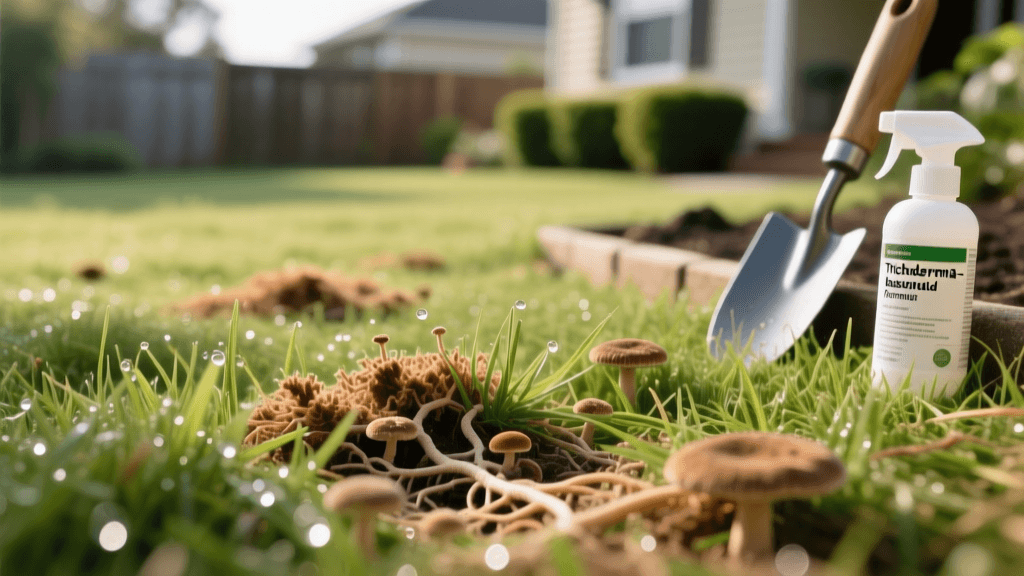
Discovering brown patches in your otherwise lush, green lawn can be incredibly frustrating for any homeowner. However, 'brown patch' is often used as a catch-all term for any dead or dying grass, when in reality, the discoloration is merely a symptom of an underlying issue. The true culprit could be anything from a fungal infection and insect infestation to improper mowing techniques, soil compaction, or localized drought stress. Accurately diagnosing the root cause is the only way to implement an effective, long-term solution. In this comprehensive troubleshooting guide, we will walk you through the exact steps to identify the source of your lawn's brown spots and provide actionable, cost-effective treatment plans to restore your turf to its former glory.
Step 1: Rule Out Irrigation and Mowing Mistakes
Before reaching for expensive chemical treatments, you must first evaluate your cultural lawn care practices. Environmental stressors and mechanical damage are the most common causes of localized brown spots.
The Tuna Can Irrigation Test
Uneven watering from sprinkler systems frequently causes brown patches. To diagnose this, place several empty, flat tuna cans in both the brown areas and the healthy green areas of your lawn. Run your irrigation system for 15 minutes and measure the water depth in each can. If the brown areas are receiving significantly less water, you need to adjust or replace your sprinkler heads. Lawns generally require 1 to 1.5 inches of water per week, ideally applied in one or two deep watering sessions to encourage deep root growth.
Dull Mower Blades and the One-Third Rule
Inspect the tips of your grass blades closely. If the tips look torn, frayed, and whitish-brown rather than cleanly cut, your mower blade is dull. Torn grass blades lose moisture rapidly and provide open wounds for fungal pathogens to enter. Sharpen your mower blade after every 20 to 25 hours of use. Additionally, never remove more than one-third of the grass blade height in a single mowing session, as scalping the lawn exposes the soil to sun scorch and stresses the root system.
Pet Urine Burns
Dog urine contains high concentrations of nitrogen and salts, which burn the grass, creating distinct brown spots with a dark green halo. If you suspect pet damage, immediately flush the affected area with three gallons of water to dilute the nitrogen. For long-term prevention, train your pet to use a designated mulched area or consider applying a gypsum-based soil conditioner to help neutralize salt buildup.
Step 2: Diagnose Fungal Lawn Diseases
If your cultural practices are sound, a fungal pathogen is likely to blame. Fungi thrive in environments with high humidity, poor air circulation, and prolonged leaf wetness. According to the NC State University TurfFiles database, accurately identifying the specific fungus is critical, as different pathogens require different chemical controls.
| Disease | Visual Symptoms | Ideal Conditions | Active Ingredient Treatment |
|---|---|---|---|
| Brown Patch | Circular rings ranging from 6 inches to several feet, often with a dark 'smoke ring' border. | Night temps above 68°F, high humidity, excessive nitrogen. | Azoxystrobin, Propiconazole |
| Dollar Spot | Small, silver dollar-sized straw-colored spots that can merge into large blighted areas. | Low nitrogen, heavy morning dew, moderate temperatures. | Fludioxonil, Fluoxastrobin |
| Pythium Blight | Greasy, matted grass with white, cottony mycelium visible in the early morning. | Very hot (85°F+), wet, poorly drained soil. | Mefenoxam, Phosphite |
Treatment Strategy: For curative treatment of active Brown Patch, apply a systemic fungicide containing Azoxystrobin (such as Scotts DiseaseEx) at the highest label rate. To prevent fungicide resistance, always rotate between different FRAC (Fungicide Resistance Action Committee) codes. Water your lawn in the early morning so the grass blades dry out during the day, depriving the fungus of the moisture it needs to reproduce.
Step 3: Check for Insect and Pest Damage
Insects feed on grass roots and blades, causing the turf to detach from the soil and turn brown. The two most common culprits are white grubs and chinch bugs.
The Tug Test for Grubs
White grubs (the larvae of Japanese beetles, June bugs, and European chafers) eat the root system, causing the grass to feel spongy underfoot. Perform the 'tug test': grab a handful of the brown grass and pull upward. If the turf rolls back easily like a loose carpet and lacks roots, you have a grub problem. Dig up a one-square-foot section of soil about two inches deep and count the grubs. According to the University of Minnesota Extension, a threshold of more than 10 grubs per square foot warrants immediate chemical intervention.
Curative vs. Preventative Grub Control
If you find active grubs in late summer or early fall, use a fast-acting curative insecticide containing Trichlorfon (e.g., BioAdvanced 24 Hour Grub Killer Plus). Water it in immediately with at least a half-inch of irrigation. For long-term prevention, apply a product containing Imidacloprid or Chlorantraniliprole in early to mid-June before the eggs hatch. The University of Kentucky Entomology Department emphasizes that timing is everything; preventative treatments applied too late in the season will not penetrate the soil in time to stop the hatching larvae.
The Soap Flush for Chinch Bugs
If the brown patches are concentrated in hot, sunny areas near sidewalks or driveways, suspect chinch bugs. To confirm, mix two tablespoons of liquid dish soap in a gallon of water and drench a one-square-foot area at the edge of the damaged zone. Within five minutes, the tiny black-and-white bugs will surface to escape the soap.
Step 4: Soil Compaction and Thatch Buildup
Even with proper watering and pest control, your lawn can develop brown patches if the root zone is suffocating. Thatch is a layer of dead stolons, rhizomes, and roots that builds up between the soil surface and the green grass blades. A thin layer (under 0.5 inches) is beneficial, but a thick thatch layer acts as a sponge, preventing water and fertilizer from reaching the soil while harboring fungal spores and insects.
Use a garden trowel to cut a small wedge out of your lawn. If the spongy brown layer exceeds half an inch, it is time to dethatch using a power rake or a vertical mower. Furthermore, heavy foot traffic and clay soils lead to compaction. Core aeration, which involves pulling small plugs of soil out of the ground, should be performed annually in the fall for cool-season grasses and in late spring for warm-season varieties to alleviate compaction and improve oxygen flow to the roots.
Step 5: Soil pH and Nutrient Deficiencies
Grass cannot absorb essential nutrients if the soil pH is out of balance. Most turfgrasses thrive in a slightly acidic pH range of 6.0 to 7.0. If your soil is too acidic (below 6.0), nutrients like phosphorus and potassium become locked up, leading to weak, yellowing, and brown turf that is highly susceptible to stress. Conduct a professional soil test through your local university cooperative extension. If the pH is low, apply pelletized limestone at the recommended rate (typically 25 to 50 lbs per 1,000 square feet) in the fall to gradually sweeten the soil.
Actionable Treatment Plan and Estimated Costs
When budgeting for lawn rehabilitation, consider the following average costs and product recommendations:
- Fungicide Application: Granular Azoxystrobin products cost approximately $15 to $25 per 5,000 square feet. Apply every 14 to 28 days during peak summer humidity.
- Grub Control: Preventative Imidacloprid treatments cost around $10 to $15 per 5,000 square feet. Curative Trichlorfon costs slightly more, around $20 per 5,000 square feet.
- Core Aeration: Renting a walk-behind core aerator costs between $70 and $100 per day, or you can hire a professional lawn care service for $150 to $250 depending on yard size.
- Soil Testing: A comprehensive mail-in soil test from a university extension office typically costs between $15 and $30 and provides exact lime and fertilizer recommendations.
Expert Pro Tip: Always water your lawn deeply and infrequently. Watering for 10 minutes every day keeps the roots shallow and the surface constantly moist, creating the perfect breeding ground for Brown Patch fungus and Dollar Spot. Aim for two 30-minute watering sessions per week, applied in the early morning hours.
By systematically working through these diagnostic steps—starting with irrigation and mowing, moving to fungal and pest inspections, and finishing with soil health—you can accurately pinpoint the cause of your lawn's brown patches. Armed with the right active ingredients and proper cultural practices, your turf will recover quickly and build the natural resilience needed to withstand future environmental stressors.