Lawn Care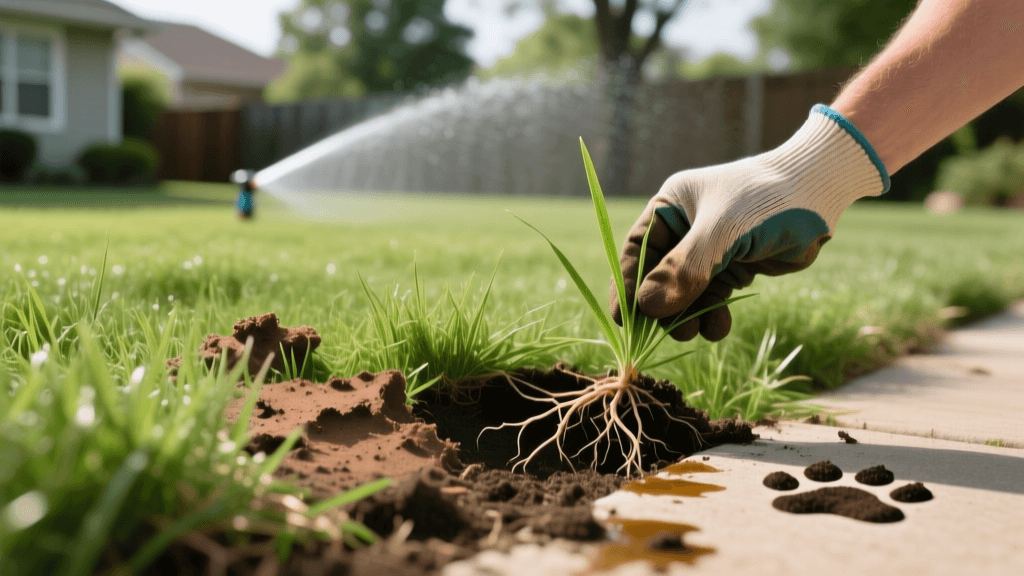
Diagnosing and Fixing Brown Patches in Your Home Lawn
Discovering brown patches in your once-lush lawn can be incredibly frustrating for any homeowner. You invest time, money, and effort into mowing, fertilizing, and watering, only to wake up one morning to unsightly dead spots. However, before you rush to the garden center to buy a random bag of fertilizer or a broad-spectrum chemical, it is crucial to correctly identify the underlying problem. Applying the wrong treatment can not only waste your money but also exacerbate the issue, potentially killing the surrounding healthy grass. In this comprehensive troubleshooting guide, we will walk you through the three most common culprits behind brown lawn spots—fungal diseases, drought stress, and pet urine damage—and provide actionable, step-by-step solutions to restore your turf to its former glory.
The key to effective lawn care problem-solving is observation. Brown spots are a symptom, not a disease in themselves. By examining the size, shape, color, and location of the damaged areas, as well as considering recent weather patterns and lawn maintenance habits, you can accurately diagnose the issue. Let us dive into the specific characteristics of each common problem and how to fix them.
1. Fungal Diseases: Brown Patch and Dollar Spot
Fungal infections are among the most common causes of sudden brown patches, particularly during the hot, humid months of summer. The most notorious offender for cool-season grasses like Tall Fescue, Kentucky Bluegrass, and Ryegrass is Brown Patch, caused by the pathogen Rhizoctonia solani. According to Penn State Extension, Brown Patch thrives when daytime temperatures exceed 80°F and nighttime temperatures remain above 70°F, coupled with high humidity and prolonged leaf wetness.
Symptoms and Identification
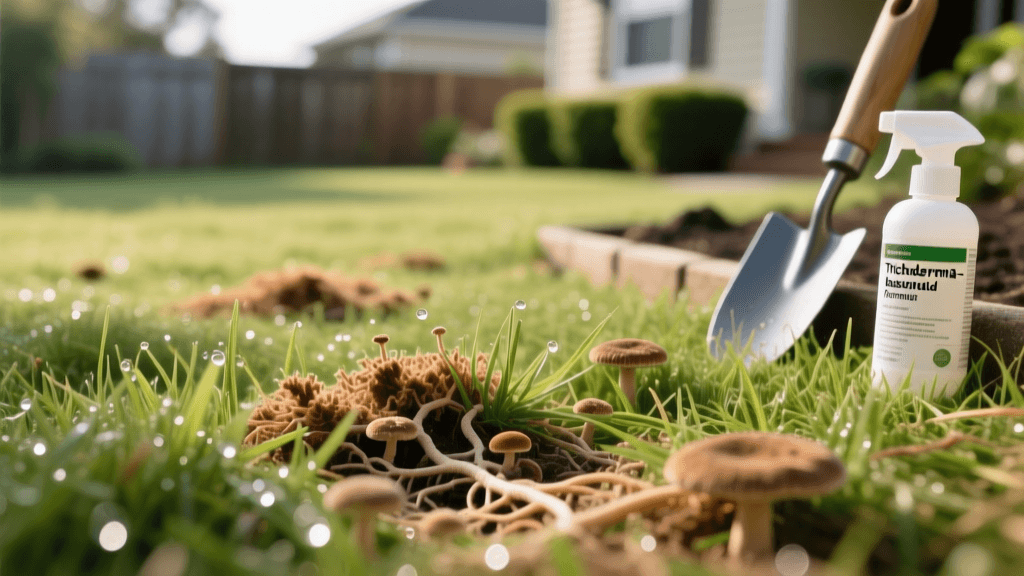
Brown Patch typically manifests as irregular, circular patches ranging from one to five feet in diameter. If you inspect the margins of the patch early in the morning when dew is present, you might notice a dark, purplish-gray "smoke ring" where the fungus is actively advancing. Individual grass blades will show tan lesions with dark brown borders.
Actionable Treatment
To combat fungal outbreaks, you must alter the environment and apply targeted fungicides. First, adjust your irrigation schedule to water only in the early morning (between 4:00 AM and 8:00 AM) so the grass blades dry quickly in the sun. Avoid evening watering at all costs. For chemical control, look for granular or liquid fungicides containing active ingredients like Azoxystrobin or Propiconazole. Products such as Scotts DiseaseEx or Bayer Advanced Fungus Control are highly effective. Apply at the curative rate specified on the label (usually around 2 to 4 lbs per 1,000 square feet for granular forms) and water it in lightly. Expect to spend roughly $15 to $25 per 5,000 square feet of coverage. Preventative applications in late spring are more cost-effective and require lower application rates.
2. Drought Stress and Irrigation Failures
Not all brown spots are caused by pathogens; many are simply the result of inadequate water. Turfgrass requires consistent moisture to maintain turgor pressure and sustain photosynthesis. When water is scarce, the grass enters a state of dormancy or dies back, leading to widespread browning. Drought stress is often compounded by poor soil compaction, excessive thatch, or malfunctioning sprinkler heads.
Symptoms and Identification
Drought-stressed lawns first take on a bluish-gray tint. The grass blades will fold in half lengthwise to reduce surface area and minimize moisture loss. A classic sign of drought stress is "footprinting"—when you walk across the lawn, your footprints remain visible for several minutes because the grass lacks the water pressure to spring back. Unlike fungal patches, drought damage usually appears in large, uniform areas, particularly on slopes, near driveways, or in zones with full sun exposure and sandy soil.
Actionable Treatment
The solution is deep, infrequent watering rather than daily shallow sprinklings. Purdue University Turfgrass Science recommends providing your lawn with 1 to 1.5 inches of water per week, including rainfall. Use the "screwdriver test" to check soil moisture: push a six-inch screwdriver into the soil. If you meet resistance before the handle reaches the ground, your lawn is too dry and needs water. Invest in a smart irrigation controller (costing around $100 to $150) that adjusts watering based on local weather data. For sloped areas where water runs off before it can soak in, use the "cycle and soak" method: program your sprinklers to run for 10 minutes, wait an hour for absorption, and then run them for another 10 minutes.
3. Dog Urine Spots
If you share your home with a canine companion, you are likely familiar with the dreaded "lawn burn." Dog urine is highly concentrated in nitrogen and salts. While nitrogen is a primary component of lawn fertilizer, the massive, localized dose delivered by a dog acts like a chemical burn, destroying the grass roots and crown.
Symptoms and Identification
Urine spots are distinctly different from fungal or drought damage. They typically appear as small, random circular patches (4 to 8 inches wide) featuring a dead, straw-yellow or brown center surrounded by a lush, dark green outer ring. The dark green ring occurs because the diluted edges of the urine act as a mild fertilizer, stimulating rapid growth. Female dogs often cause more severe damage than males because they tend to empty their bladders in one concentrated spot, whereas males frequently mark multiple vertical surfaces with smaller amounts.
Actionable Treatment
The immediate response to a fresh urine spot is to dilute it. Keep a watering can nearby and pour two to three gallons of water over the spot within a few hours of the dog urinating. For existing dead spots, rake out the dead thatch, loosen the topsoil, and reseed with a urine-tolerant grass variety like Perennial Ryegrass or Tall Fescue. According to University of Minnesota Extension, applying agricultural gypsum (calcium sulfate) at a rate of 40 lbs per 1,000 square feet can help improve soil structure and mitigate salt buildup over time, though it will not neutralize the nitrogen immediately. Avoid commercial "lawn-saving" dietary supplements for your dog that alter urine pH, as these can cause severe urinary tract health issues in pets; instead, encourage your dog to drink more water to naturally dilute their urine.
Diagnostic Comparison Chart
| Cause | Visual Symptoms | Pattern | Primary Solution |
|---|---|---|---|
| Brown Patch Fungus | Lesions on blades, dark "smoke rings" at margins | Irregular circular patches (1-5 feet wide) | Apply Azoxystrobin fungicide, water in morning |
| Drought Stress | Bluish-gray tint, folded blades, "footprinting" | Large uniform areas, often on slopes or sunny spots | Deep irrigation (1-1.5 inches weekly), aerate |
| Dog Urine Burn | Yellow/brown dead center with a dark green outer ring | Random small spots (4-8 inches wide) | Flush with water, apply gypsum, reseed with fescue |
Step-by-Step Troubleshooting Protocol
When you encounter a brown spot, follow this systematic protocol to confirm your diagnosis before spending money on treatments:
- The Tug Test: Grab a handful of grass at the edge of the brown patch and pull gently. If the grass pulls up easily like loose carpet and you see white grubs or chewed roots, you have a subsurface insect problem, not a surface disease. If the roots hold firm but the blades are lesioned, suspect a fungus.
- The Margin Inspection: Get down on your hands and knees and examine the border where the brown grass meets the green grass. A distinct, dark, water-soaked "smoke ring" is a definitive indicator of active Brown Patch fungus.
- The Sprinkler Audit: Place several empty tuna cans or straight-sided cups across the brown area and the surrounding green area. Run your irrigation system for 20 minutes. Measure the water in each can. If the brown area received significantly less water, you have a sprinkler coverage issue or a clogged nozzle.
- The Thatch Check: Cut a small, wedge-shaped plug of soil and grass with a trowel. Measure the spongy, brown organic layer between the green blades and the soil. If the thatch layer exceeds 0.5 inches, it is harboring fungal spores and blocking water penetration. Schedule a core aeration and dethatching service for the early fall.
Long-Term Prevention Strategies
The best way to troubleshoot lawn problems is to prevent them from occurring in the first place. A thick, vigorously growing lawn is naturally resistant to weeds, diseases, and environmental stress. Maintain your mowing height at the highest recommended setting for your grass type (usually 3 to 4 inches for cool-season grasses) to shade the soil and conserve moisture. Never remove more than one-third of the grass blade in a single mowing, as scalping stresses the plant and invites disease. Finally, base your fertilization schedule on a professional soil test rather than guesswork. Over-applying nitrogen during the heat of summer forces lush, weak growth that is highly susceptible to fungal pathogens. By combining keen observation with targeted, science-backed treatments, you can keep your lawn green, healthy, and resilient year-round.