Lawn Care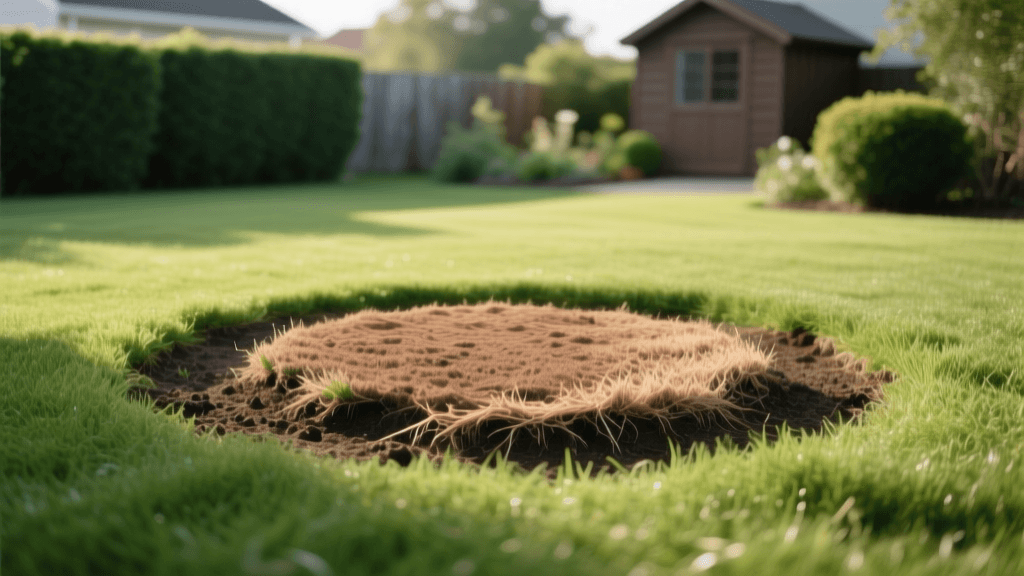
Diagnosing Brown Patches: Fungus, Grubs, or Drought?
The Frustration of Unexplained Brown Patches
Every homeowner dreads the sight of irregular brown patches spreading across their once-lush, green lawn. When your turf begins to discolor and die off in localized spots, the immediate instinct is often to turn on the sprinklers or dump a generic fertilizer on the area. However, applying the wrong treatment can exacerbate the problem, waste your money, and potentially harm the local environment. To properly restore your lawn, you must first play the role of a landscape detective.
Brown patches in turfgrass generally stem from three primary culprits: environmental drought stress, subsurface insect infestations (specifically white grubs), or aggressive fungal diseases like Brown Patch or Dollar Spot. In this comprehensive troubleshooting guide, we will break down the specific symptoms, diagnostic tests, and targeted treatment plans for each of these issues. By understanding the unique signatures of these lawn problems, you can apply the right active ingredients, at the correct measurements, and at the optimal time of year to save your turf.
Culprit 1: Drought Stress and Irrigation Failures
Symptoms and Diagnosis
Drought stress is the most common cause of browning turf, particularly during the peak heat of July and August. Cool-season grasses like Kentucky Bluegrass and Tall Fescue will naturally go dormant and turn brown when deprived of water for extended periods, but localized brown patches often indicate uneven irrigation coverage or compacted soil that prevents water penetration.
To diagnose drought stress, perform the Footprint Test. Walk across the brown patch and look back at your footprints. If the grass blades remain crushed and do not spring back upright within a few minutes, the turf is severely dehydrated. Additionally, use a soil probe or a long screwdriver to test soil moisture. If you cannot easily push the screwdriver six inches into the soil within the brown patch, the ground is bone-dry and hydrophobic.
Treatment and Costs
The remedy for drought stress is deep, infrequent watering. Lawns require approximately 1 to 1.5 inches of water per week, ideally applied in two or three deep sessions rather than daily shallow sprinklings. If your soil is heavily compacted and repelling water (hydrophobic), apply a liquid soil aerator or a surfactant like Aqua-Aid to break the surface tension and allow moisture to penetrate the root zone.
Cost Estimate: Upgrading to a smart Wi-Fi irrigation controller (such as the Rachio 3 or B-hyve) costs between $150 and $250. These devices use local weather data to automatically adjust watering schedules, saving you up to 30% on your monthly water bill while preventing localized drought patches.
Culprit 2: White Grub Infestations
Symptoms and Diagnosis
If your lawn is receiving adequate water but still developing brown, dying patches in late summer or early fall, you may be dealing with white grubs. Grubs are the larval stage of beetles (such as Japanese Beetles and June Bugs) and they feed voraciously on turfgrass roots just below the soil surface. Because the root system is severed, the grass can no longer uptake water, making grub damage look remarkably similar to drought stress.
The definitive diagnostic method for grubs is the Tug Test. Grab a handful of grass at the edge of the brown patch and pull upward. If the turf rolls back like a loose carpet with little to no resistance, grubs have likely eaten the roots. Next, grab a shovel and cut a one-foot by one-foot square of sod, peeling it back to inspect the top three inches of soil. Count the number of C-shaped, white larvae you find.
According to turfgrass entomologists, a threshold of 5 to 10 grubs per square foot is enough to cause visible damage and warrant chemical intervention. You may also notice secondary damage, such as crows, skunks, or raccoons tearing up your lawn to feed on the protein-rich larvae.
Treatment and Costs
Grub control is all about timing. Preventative treatments containing Chlorantraniliprole (commonly found in Scotts GrubEx) should be applied in late spring to early summer (June to early July) before the eggs hatch. If you are already seeing active damage in late summer or fall, you need a fast-acting curative insecticide containing Trichlorfon (such as Bayer Advanced 24 Hour Grub Killer), which will eliminate active grubs within 24 hours but has a short residual lifespan.
Cost Estimate: Preventative grub control products cost roughly $30 to $50 per 5,000 square feet. Curative treatments are slightly more expensive, averaging $45 to $65 per 5,000 square feet. Always water curative granules in immediately with at least 0.5 inches of water to push the active ingredient into the root zone where the grubs are feeding.
Culprit 3: Fungal Diseases (Brown Patch and Dollar Spot)
Symptoms and Diagnosis
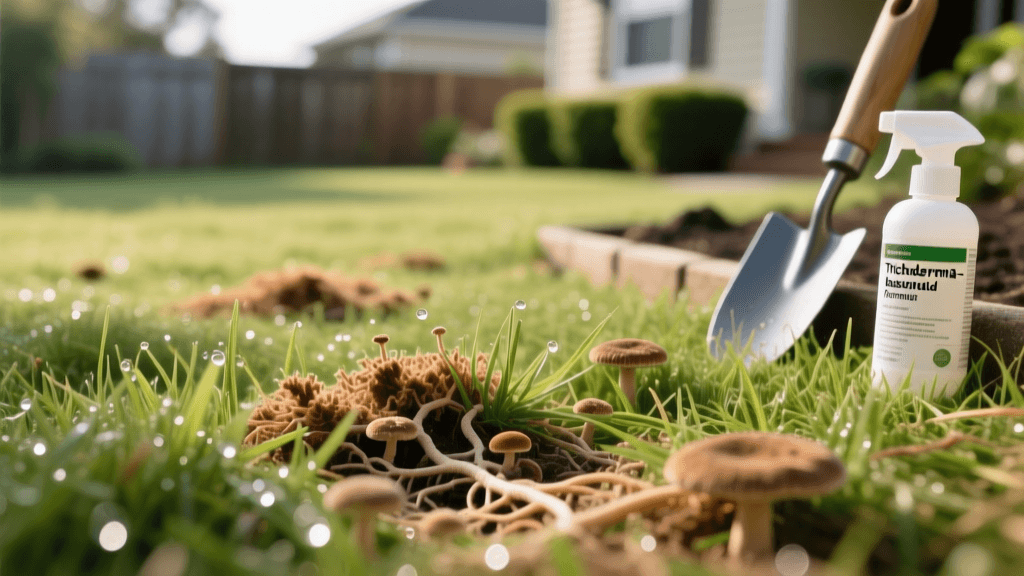
Fungal diseases thrive in environments with high humidity, poor air circulation, and warm nighttime temperatures. Rhizoctonia solani, the pathogen responsible for Brown Patch disease, typically strikes when nighttime temperatures remain above 65°F (18°C) and the grass foliage stays wet for more than 10 hours. Brown Patch manifests as circular or irregular patches ranging from a few inches to several feet in diameter. In the early morning, when dew is heavy, you may see a dark 'smoke ring' border or white, cobweb-like mycelium on the grass blades.
Dollar Spot, another common fungus, creates smaller, silver-dollar-sized bleached spots that can merge into larger brown patches. Both diseases are exacerbated by excessive nitrogen fertilization during the heat of summer and frequent, shallow evening watering.
Treatment and Costs
Cultural practices are your first line of defense. Switch your irrigation schedule to water deeply in the early morning (between 4:00 AM and 6:00 AM) so the grass blades dry quickly in the sun. Avoid applying high-nitrogen, quick-release fertilizers in the mid-summer months. Improve air circulation by pruning overhanging tree branches and consider core aeration in the fall to reduce thatch buildup, which harbors fungal spores.
If the outbreak is severe, chemical fungicides are necessary. Preventative applications of Azoxystrobin (Heritage G) or Propiconazole (Banner Maxx) are highly effective. To prevent the fungus from developing chemical resistance, turfgrass pathologists strongly recommend rotating between different Fungicide Resistance Action Committee (FRAC) codes every 21 to 28 days during peak disease season.
Cost Estimate: Granular fungicides like Heritage G cost around $100 to $130 for a 30-pound bag covering 10,000 square feet. Liquid concentrates like Propiconazole cost roughly $40 to $60 per pint, requiring a backpack sprayer for even application.
Diagnostic Comparison Chart
Use the table below to quickly cross-reference your lawn's symptoms and determine the most likely cause of your brown patches.
| Feature | Drought Stress | White Grubs | Fungal Disease |
|---|---|---|---|
| Patch Shape | Irregular, matches sprinkler gaps | Irregular, expanding dead zones | Circular rings or distinct spots |
| Root System | Intact, but dry and brittle | Severed, missing entirely | Intact, but blades are lesioned |
| The Tug Test | Grass holds firm to soil | Turf rolls back like a carpet | Grass holds firm to soil |
| Time of Day Clues | Wilting visible in mid-afternoon | Animal digging at dawn/dusk | Mycelium visible in early morning |
| Primary Treatment | Deep, infrequent irrigation | Curative or preventative insecticides | Fungicides and morning watering |
Your Step-by-Step Troubleshooting Workflow
When confronted with a dying lawn, follow this systematic workflow to avoid misdiagnosis and wasted resources:
- Check the Irrigation: Run your sprinkler system and place empty tuna cans in both the green and brown areas. Measure the water output after 20 minutes to ensure your sprinkler heads are actually delivering water to the brown zones.
- Perform the Tug Test: If irrigation is adequate, pull on the brown grass. If it lifts easily, grab your shovel and confirm a grub infestation before purchasing insecticides.
- Inspect the Blades: If the roots are firmly anchored, get down on your hands and knees. Look closely at the individual grass blades for distinct lesions, hourglass-shaped banding, or white fungal threads. If present, you are dealing with a pathogen.
Expert Insight: According to Penn State Extension, misdiagnosing Brown Patch as drought stress and subsequently increasing nighttime watering is one of the most common mistakes homeowners make. This creates the exact prolonged leaf-wetness environment the fungus needs to rapidly destroy the entire lawn.
Conclusion: Timing and Observation are Key
Successfully troubleshooting brown patches requires a keen eye and an understanding of turfgrass biology. Drought stress requires systemic irrigation adjustments, grubs demand precise chemical timing based on their life cycle, and fungal diseases necessitate a combination of cultural practices and targeted fungicide rotations. As noted by researchers at The Ohio State University Extension, monitoring your lawn weekly and keeping a journal of your applications and weather patterns will drastically improve your ability to predict and prevent future outbreaks. Finally, always consult local resources, such as the University of Minnesota Extension, to tailor your watering and maintenance schedules to your specific regional climate and soil type. By diagnosing the root cause accurately, you can restore your lawn to its vibrant, healthy state efficiently and cost-effectively.