Lawn Care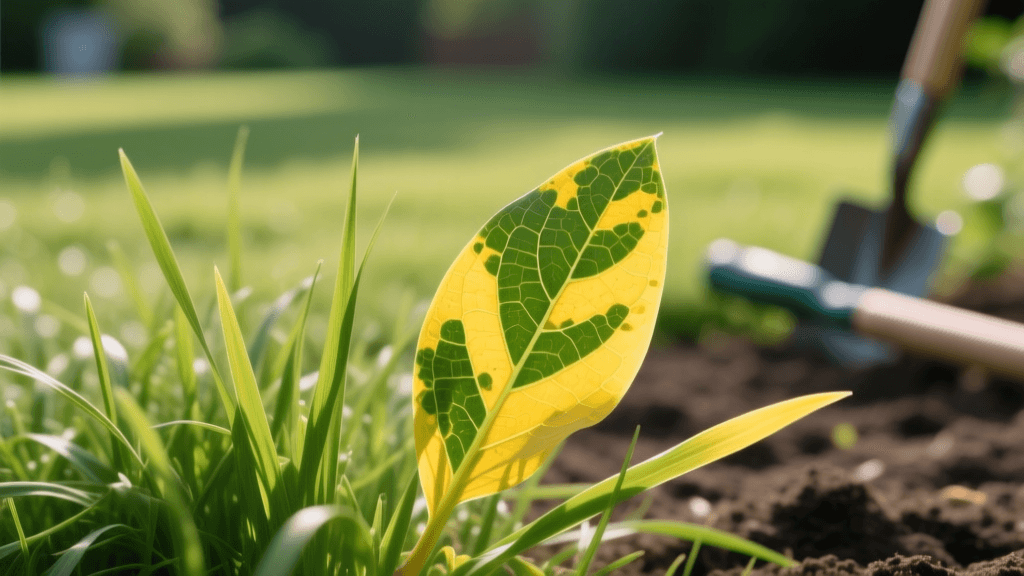
Diagnosing Yellow Grass: Iron Chlorosis vs. Nitrogen
The Troubleshooter's Guide to Yellowing Lawns
A vibrant, deep green lawn is the pride of any homeowner, but when your turf starts turning yellow, it can feel like a cryptic puzzle. Yellowing grass is one of the most common lawn care complaints, yet it is frequently misdiagnosed. Homeowners often rush to apply generic weed-and-feed products or heavy doses of synthetic nitrogen, only to watch their lawn continue to decline. To effectively troubleshoot a yellowing lawn, you must understand the underlying biological mechanisms at play. The two most common nutritional culprits are nitrogen deficiency and iron chlorosis. While both result in a loss of green color, they present entirely different symptoms, stem from different soil conditions, and require vastly different treatment protocols.
The Science of Nutrient Mobility
Before applying any product, you must understand the concept of nutrient mobility within the grass plant. Nutrients are categorized as either mobile or immobile. Mobile nutrients, like nitrogen, phosphorus, and potassium, can be translocated from older plant tissues to newer growth when the soil supply is limited. Immobile nutrients, like iron, calcium, and sulfur, cannot be moved once they are incorporated into the plant's cellular structure. This fundamental difference dictates exactly where you will see the first signs of yellowing on your turfgrass, providing your most reliable diagnostic clue.
Diagnosing Nitrogen Deficiency
Nitrogen is the primary building block of chlorophyll and is required in the largest quantities by turfgrass. Because nitrogen is a highly mobile nutrient, a deficiency will always show up in the older, lower leaves of the grass plant first. The plant cannibalizes its older tissue to support new growth.
Symptoms and Visual Patterns
- Uniform Yellowing: The entire grass blade turns pale green, then yellow, starting from the tip and moving toward the base.
- Older Growth Affected: Lower, older leaves yellow and die off while newer leaves at the top may remain relatively green.
- Stunted Growth: The lawn loses its vigor, thinning out and requiring less frequent mowing.
- Increased Weed Invasion: Thin, weak turf allows broadleaf weeds and crabgrass to establish.
Causes of Nitrogen Deficiency
Nitrogen is highly soluble and easily leaches through sandy soils during heavy rainfall or over-irrigation. It can also be lost to the atmosphere through volatilization if synthetic urea is applied to the soil surface without being watered in. Furthermore, soils with low organic matter lack the microbial activity necessary to mineralize organic nitrogen into a plant-available form.
Actionable Treatment Protocol
According to the University of Minnesota Extension, cool-season grasses typically require 2 to 4 pounds of actual nitrogen per 1,000 square feet annually, split across multiple applications.
- Quick Fix (Synthetic): Apply a fast-release nitrogen source like Urea (46-0-0) or a balanced synthetic fertilizer like Lesco 24-0-11. Apply at a rate of 0.5 to 1.0 lbs of actual nitrogen per 1,000 sq ft. Water in immediately to prevent leaf burn. Cost: Approximately $3 to $5 per 1,000 sq ft.
- Long-Term Fix (Organic/Slow-Release): Use Milorganite (6-4-0) or a sulfur-coated urea. Milorganite provides slow, steady feeding and adds organic matter. Apply at a rate of 14 lbs per 2,500 sq ft. Cost: Approximately $4 to $6 per 1,000 sq ft.
- Timing: For cool-season grasses (Fescue, Kentucky Bluegrass), apply the bulk of your nitrogen in early fall (September) and late spring (May). Avoid heavy summer applications, which promote fungal diseases.
Diagnosing Iron Chlorosis
Iron is a critical component in the enzymatic processes that produce chlorophyll. However, unlike nitrogen, iron is an immobile nutrient. Once it is locked into a leaf, the plant cannot move it. Therefore, iron deficiency always manifests in the newest, youngest leaves at the top of the grass canopy.
Symptoms and Visual Patterns
- Interveinal Chlorosis: The tissue between the leaf veins turns yellow, but the veins themselves remain distinctly green. This creates a striking, striped appearance.
- New Growth Affected: The youngest leaves at the top of the turf canopy show symptoms first, while older, lower leaves remain dark green.
- Severe Cases: In extreme deficiencies, the newest leaves may turn entirely white or bleached, and the tips will begin to necrose (die and turn brown).
The pH Problem: Why Iron is Unavailable
Iron chlorosis is rarely caused by a true lack of iron in the soil. Most soils contain abundant iron. The problem is availability. As noted by Texas A&M AgriLife Extension, when soil pH rises above 7.0 (alkaline), iron reacts with phosphorus and calcium to form insoluble compounds that grass roots cannot absorb. Compacted soils and waterlogged conditions also restrict root respiration, further inhibiting iron uptake.
Actionable Treatment Protocol
Pro Tip: Never apply liquid iron to a drought-stressed lawn or during the heat of the day. Iron salts can cause severe foliar burn if the grass is wilted or if temperatures exceed 85°F.
- Quick Fix (Foliar Application): Apply a chelated liquid iron product, such as Southern Ag Chelated Liquid Iron or Feature 6-0-0. Chelation protects the iron from binding with soil particles. Mix 3 to 6 ounces per 1,000 sq ft with water and spray directly onto the foliage. Do not water in immediately; allow the leaves to absorb it. You will see greening within 24 to 48 hours. Cost: Approximately $2 to $4 per 1,000 sq ft.
- Long-Term Fix (Soil Amendment): Lower your soil pH to the optimal range of 6.0 to 6.5. Apply elemental sulfur (such as Espoma Organic Soil Acidifier) based on your soil test results. Typically, applying 5 to 10 lbs of sulfur per 1,000 sq ft will lower the pH by one full point over several months. Cost: Approximately $3 to $5 per 1,000 sq ft.
- Timing: Apply liquid iron in the early morning or late evening during the active growing season. Apply granular sulfur in the fall or early spring when soil moisture is consistent.
Comparison Chart: Nitrogen Deficiency vs. Iron Chlorosis
| Feature | Nitrogen Deficiency | Iron Chlorosis |
|---|---|---|
| Nutrient Mobility | Mobile | Immobile |
| First Affected Leaves | Older, lower leaves | Newer, upper leaves |
| Visual Pattern | Uniform yellowing of entire blade | Interveinal chlorosis (yellow blade, green veins) |
| Primary Soil Cause | Leaching, low organic matter, poor fertilization | High soil pH (alkaline), compacted soil, excess phosphorus |
| Quick Fix Product | Urea (46-0-0) or Lesco 24-0-11 | Chelated Liquid Iron (Foliar Spray) |
| Long-Term Solution | Regular slow-release fertilization, core aeration | Elemental sulfur application to lower soil pH |
Other Potential Causes of Yellowing Grass
Before treating for nutrients, rule out these common environmental and biological stressors:
- Drought Stress: Grass blades will fold or roll inward, turn a bluish-gray, and eventually yellow and brown. Footprints will remain visible on the turf long after walking on it. Fix: Apply 1 to 1.5 inches of water per week, deeply and infrequently.
- Dog Urine Spots: High nitrogen and salt concentrations in dog urine cause circular yellow patches with a dark green, rapidly growing outer ring. Fix: Flush the area with water immediately after the pet urinates and reseed the dead center.
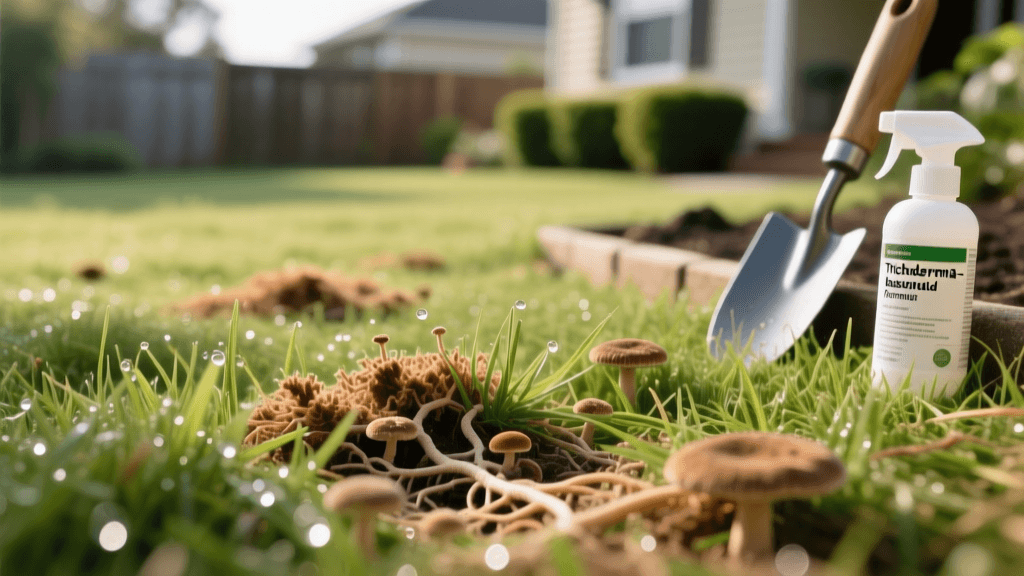
- Fungal Diseases: Diseases like Dollar Spot or Brown Patch cause distinct circular patches of yellowing or bleached grass, often with visible mycelium in the morning dew. Fix: Apply a systemic fungicide like Azoxystrobin or Propiconazole and reduce evening watering.
Step-by-Step Troubleshooting Protocol
To ensure you are treating the correct problem, follow this systematic diagnostic workflow recommended by turfgrass scientists at Colorado State University Extension:
- Inspect the Canopy: Get down on your hands and knees. Part the grass and look at both the top new growth and the bottom old growth. Note where the yellowing is most prominent.
- Check the Veins: Pull a single yellow blade. Hold it up to the sun. If the veins are green but the tissue is yellow, suspect iron chlorosis.
- Review Recent Weather and Maintenance: Have there been heavy rains (leaching nitrogen)? Did you recently apply a high-phosphorus starter fertilizer (which can tie up iron)?
- Conduct a Soil Test: This is the only way to know your exact pH and baseline nutrient levels. Use a university extension soil test or a reputable lab like Ward Laboratories. Do not guess your soil pH.
- Apply a Test Strip: If you are still unsure, apply a small amount of liquid iron to a 2x2 foot test area, and a small amount of liquid nitrogen (like urea dissolved in water) to another 2x2 foot area. Wait 48 hours and observe which patch greens up.
Conclusion
Diagnosing a yellowing lawn requires observation, patience, and an understanding of plant physiology. By distinguishing between the uniform, older-leaf yellowing of nitrogen deficiency and the striped, newer-leaf yellowing of iron chlorosis, you can save time, money, and frustration. Always rely on a comprehensive soil test to guide your long-term lawn care strategy, ensuring your turf receives exactly what it needs to thrive.