Lawn Care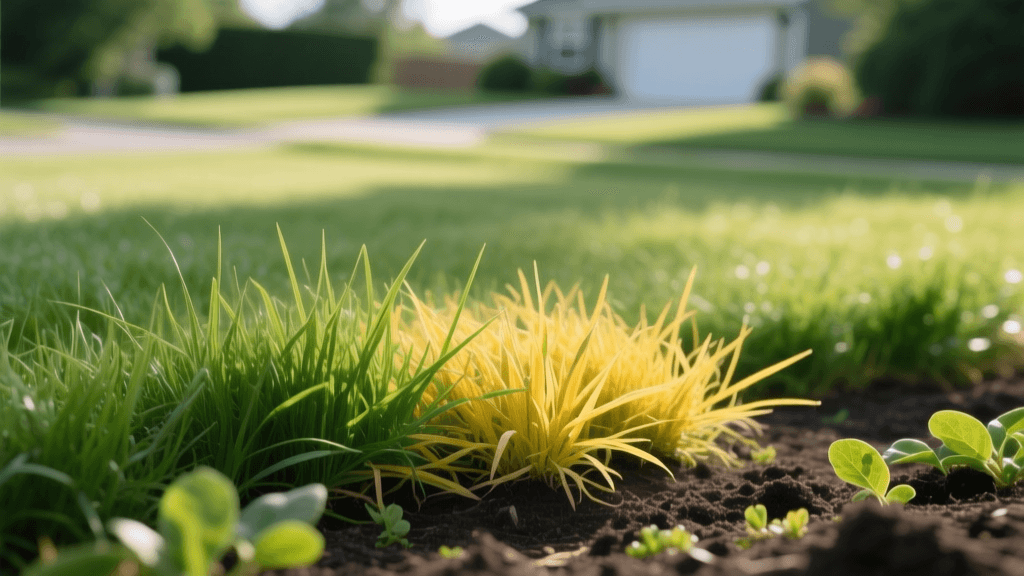
Diagnosing Yellow Lawns: Iron Chlorosis vs Nitrogen
A vibrant, dark green lawn is the ultimate goal for any homeowner, but when your turf starts turning yellow, it can be incredibly frustrating. Yellowing grass is one of the most common lawn care complaints, yet it is frequently misdiagnosed. The two most prevalent culprits behind a yellowing lawn are nitrogen deficiency and iron chlorosis. While both result in a loss of green color, their underlying causes, visual symptoms, and treatment protocols are vastly different. Applying nitrogen to a lawn suffering from iron chlorosis will not only fail to fix the problem but can actually exacerbate it by promoting rapid, weak growth that further depletes the soil's iron reserves. In this comprehensive troubleshooting guide, we will break down exactly how to diagnose the root cause of your yellow lawn and provide actionable, cost-effective treatment plans to restore your turf to its former glory.
Understanding Nitrogen Deficiency in Turfgrass
Nitrogen is the primary macronutrient responsible for the vigorous, upward growth and deep green color of your lawn. It is a fundamental building block of chlorophyll, the molecule that allows plants to photosynthesize. When your soil lacks adequate nitrogen, the grass simply cannot produce enough chlorophyll to maintain its green hue.
Visual Symptoms of Nitrogen Deficiency
Nitrogen is a mobile nutrient within the plant. This means that when soil levels are low, the grass will translocate nitrogen from older, lower leaves to newer, upper leaves to support new growth. As a result, the hallmark symptom of nitrogen deficiency is a uniform yellowing that begins on the older, lower leaves and gradually moves upward. The lawn will also exhibit stunted growth, thinning, and increased vulnerability to weed invasions, particularly clover and dandelions.
Common Causes
Nitrogen deficiency typically occurs in lawns that have not been fertilized regularly, in highly sandy soils where nutrients leach quickly with heavy rainfall, or in lawns where grass clippings are consistently bagged rather than mulched back into the soil.
Decoding Iron Chlorosis
Unlike nitrogen, iron is an immobile micronutrient. While turfgrass requires iron in much smaller quantities, it is absolutely critical for chlorophyll synthesis. Iron chlorosis occurs when the grass cannot absorb or utilize the iron present in the soil, leading to a distinct yellowing pattern.
Visual Symptoms of Iron Chlorosis
Because iron is immobile, the plant cannot move it from older leaves to newer ones. Therefore, iron chlorosis first appears on the youngest, newest leaves at the top of the grass canopy. The most diagnostic symptom is interveinal chlorosis: the leaf tissue turns bright yellow or almost white, but the leaf veins remain distinctly green. In severe cases, the entire leaf may bleach white and die off, leading to patchy, thin turf.
Common Causes
Iron chlorosis is rarely caused by a true lack of iron in the soil. Instead, it is usually an availability issue. High soil pH (alkaline soils above 7.0) locks up iron, making it insoluble and unavailable to grass roots. Additionally, compacted soils, poor drainage, and excessive phosphorus levels can bind with iron and prevent root uptake. According to Texas A&M AgriLife Extension, iron chlorosis is especially prevalent in regions with naturally alkaline soils and high calcium carbonate content.
Comparison Chart: Iron Chlorosis vs. Nitrogen Deficiency
| Diagnostic Feature | Nitrogen Deficiency | Iron Chlorosis |
|---|---|---|
| Initial Leaf Affected | Older, lower leaves | Newer, upper leaves |
| Yellowing Pattern | Uniform yellowing of the entire leaf | Interveinal chlorosis (yellow tissue, green veins) |
| Growth Rate | Significantly stunted, slow growth | Normal or rapid growth, but weak |
| Soil pH Correlation | Can occur at any pH, often in sandy/leached soils | Strongly linked to high/alkaline pH (above 7.0) |
| Primary Treatment | Nitrogen-rich fertilizer (e.g., Urea, Milorganite) | Chelated iron sprays, sulfur to lower pH |
Step-by-Step Troubleshooting and Diagnosis
Before spending money on amendments, you must confirm your diagnosis. Guesswork leads to wasted resources and potential lawn damage.
Step 1: Conduct a Visual Inspection
Get down on your hands and knees and examine the grass blades closely. Part the canopy and look at the lower, older leaves near the soil line. Are they yellow while the top is green? That points to nitrogen. Are the newest tips yellow with green veins while the base is green? That points to iron.
Step 2: Perform a Soil Test
A visual inspection must be backed by data. Purchase a reliable soil test kit or send a sample to your local university extension office. You are specifically looking for two data points: the soil pH and the phosphorus levels. As noted by Penn State Extension, a comprehensive soil test is the only way to accurately determine nutrient availability and exact fertilizer requirements. Expect to pay between $15 and $30 for a professional lab test, which is a small investment compared to the cost of misdiagnosing your lawn.
Actionable Treatment Protocols
Treating Nitrogen Deficiency
If your soil test confirms low nitrogen, it is time to fertilize. The goal is to apply 0.5 to 1.0 pounds of actual nitrogen per 1,000 square feet.
- Quick-Release Option: Use a synthetic fertilizer like Urea (46-0-0) or a balanced turf fertilizer like Lesco 24-0-11. These will green up the lawn in 5 to 7 days. Cost: Approximately $20 to $30 for a 50lb bag.
- Slow-Release/Organic Option: Milorganite (6-4-0) is an excellent slow-release organic nitrogen source that also contains naturally occurring iron. Apply at a rate of 32 lbs per 2,500 square feet. Cost: Around $15 per 32lb bag.
Pro Tip: Always water your lawn immediately after applying granular nitrogen to activate the fertilizer and prevent leaf burn.
Treating Iron Chlorosis
If iron is the culprit, adding more standard fertilizer will not help. You must provide iron in a form the plant can absorb and address the underlying pH issue.
- Immediate Fix (Foliar Spray): Apply a chelated liquid iron product, such as Southern Ag Chelated Liquid Iron or Feature 6-0-0 (which contains Fe-EDDHA, the most stable chelate for high pH soils). Mix 3 to 4 ounces per 1,000 square feet and spray directly onto the foliage. The grass should begin greening up within 24 to 48 hours. Cost: $15 to $25 per bottle.
- Long-Term Fix (Soil Amendment): If your soil pH is above 7.2, you must lower it to unlock native soil iron. Apply elemental sulfur (such as Espoma Organic Soil Acidifier) at a rate of 1 to 2 pounds per 100 square feet. Note that sulfur takes months to react and lower pH, so this is a long-term strategy. The University of Nebraska-Lincoln Turfgrass Science program emphasizes that managing soil pH is the most sustainable approach to chronic micronutrient deficiencies.
Preventative Maintenance for a Resilient Lawn
Once you have corrected the immediate yellowing, implement these cultural practices to prevent recurrence:
The Mulching Mandate: Stop bagging your grass clippings. Mulching returns up to 25% of the lawn's required nitrogen back to the soil naturally, reducing the need for synthetic fertilizers and improving soil organic matter.
- Core Aeration: Compacted soil restricts root growth and limits oxygen, which impairs nutrient uptake. Aerate your lawn annually in the fall (for cool-season grasses) or late spring (for warm-season grasses) to alleviate compaction and improve iron and nitrogen absorption.
- Proper Irrigation: Overwatering creates anaerobic soil conditions that destroy root hairs and lock up nutrients. Water deeply and infrequently, aiming for 1 to 1.5 inches of water per week, including rainfall.
- Balanced Fertilization: Avoid over-applying phosphorus. High phosphorus levels will chemically bind with iron in the soil, creating an artificial iron deficiency even if iron is abundant.
Conclusion
Troubleshooting a yellow lawn requires a methodical approach. By carefully observing the age of the affected leaves, checking for interveinal chlorosis, and utilizing professional soil testing, you can confidently differentiate between nitrogen deficiency and iron chlorosis. Armed with the right diagnosis, you can apply targeted treatments—whether it is a precise dose of chelated iron or a balanced nitrogen fertilizer—and restore your lawn to a thick, vibrant, and healthy state. Remember, a healthy lawn starts beneath the surface; prioritize your soil health, and the green will naturally follow.