Lawn Care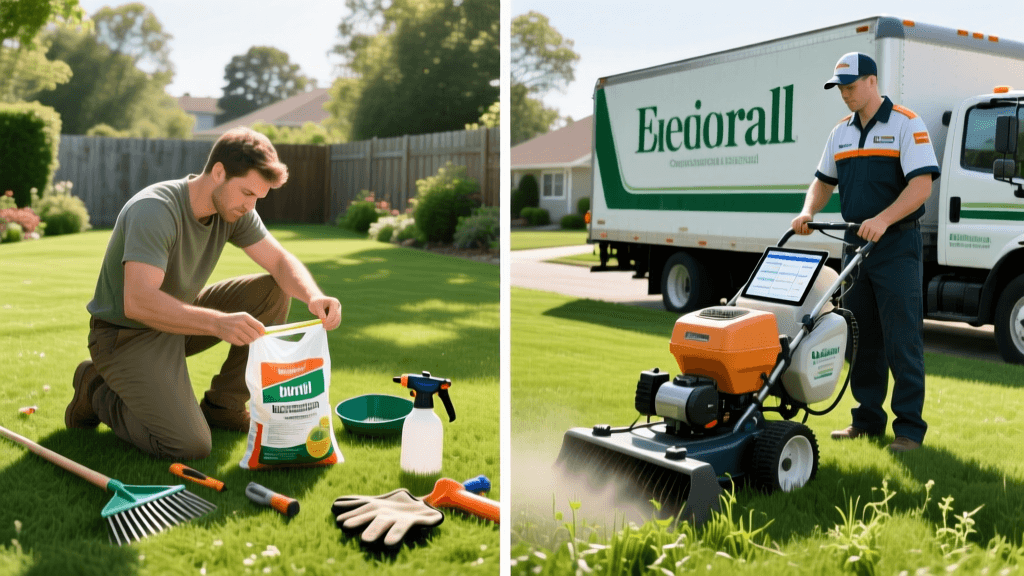
DIY vs Pro Lawn Care Costs: Fertilizer & Weed Control
Introduction to Lawn Care Budgeting
Maintaining a lush, green lawn is a point of pride for many homeowners, but it can also become a significant line item in your annual home maintenance budget. When it comes to core lawn care practices like fertilization and weed control, homeowners are faced with a classic dilemma: should you roll up your sleeves and do it yourself, or hire a professional lawn care service? Understanding the true costs of both avenues is essential for making an informed decision that aligns with your financial goals and schedule. In this comprehensive cost and budgeting guide, we will break down the expenses associated with DIY lawn fertilization and weed control versus hiring professional services, complete with product prices, equipment costs, and actionable budgeting tips.
Breaking Down DIY Fertilization and Weed Control Costs
Choosing the DIY route often appeals to homeowners looking to save money on labor. However, the upfront costs of equipment and the recurring costs of commercial-grade products can add up quickly if you do not plan your budget carefully.
Equipment Investments
To apply fertilizer and herbicides evenly, you need reliable equipment. A basic drop spreader costs between $40 and $60, while a high-quality broadcast spreader ranges from $80 to $150. For liquid weed control, a 1-to-2-gallon pump sprayer costs around $25 to $40, and a hose-end sprayer can be purchased for about $15. While these are one-time purchases, they represent an initial capital outlay of roughly $100 to $200 before you even buy your first bag of fertilizer.
Fertilizer Costs and Product Breakdown
Fertilizer pricing is generally calculated per 1,000 square feet of turf. For an average 5,000-square-foot lawn, you will need to purchase products accordingly.
- Synthetic Fertilizers: Popular consumer brands like Scotts Turf Builder typically cost around $35 to $45 per bag, covering up to 5,000 square feet. This translates to roughly $0.007 to $0.009 per square foot per application.
- Organic Fertilizers: Options like Milorganite are highly regarded for slow-release nitrogen and soil health. A 36-pound bag costs about $20 and covers 2,500 square feet, meaning you will need two bags ($40 total) for a 5,000-square-foot lawn.
- Professional-Grade Fertilizers: If you buy from a local landscape supplier, a 50-pound bag of Lesco or Andersons fertilizer might cost $45 to $60 but can cover up to 10,000 square feet, drastically lowering your cost per square foot.
According to Penn State Extension, applying the correct amount of nitrogen (typically 2 to 4 pounds per 1,000 square feet annually) is crucial. Over-applying not only wastes money but can lead to turf burn and environmental runoff.
Weed Control Herbicide Costs
Weed control requires both pre-emergent (to stop crabgrass) and post-emergent (to kill broadleaf weeds like dandelions) herbicides.
- Pre-Emergent: A bag of granular pre-emergent like Scotts Halts costs about $25 for 5,000 square feet. Professional-grade Dimension or Prodiamine concentrates cost $60 to $90 upfront but can be diluted to cover multiple acres over several years, making them highly cost-effective for long-term budgeting.
- Post-Emergent: Ready-to-spray liquid weed killers cost around $20 per bottle. For better results and lower long-term costs, a concentrated liquid herbicide containing 2,4-D and Dicamba costs about $40 for a quart, which yields dozens of applications. Always follow the Environmental Protection Agency (EPA) guidelines for safe pesticide handling, mixing, and application to protect your local watershed.
The Price of Professional Lawn Care Services
If your budget allows for outsourcing, professional lawn care companies offer convenience, commercial-grade products, and guaranteed results. Pricing models typically fall into two categories: traditional full-service providers and modern subscription boxes.
Traditional Full-Service Providers
Companies like TruGreen or local licensed operators typically charge based on the square footage of your lawn. For a 5,000-square-foot lawn, expect to pay between $50 and $80 per application. A standard 6-to-8 visit annual program will cost between $350 and $650 per year. This price includes the labor, commercial-grade fertilizers, pre-emergents, and targeted weed spot-treatments.
Subscription Lawn Care Services
Companies like Sunday have disrupted the market by shipping customized, easy-to-apply liquid fertilizers and herbicides directly to your door. These subscriptions usually require you to apply the products yourself using a hose-end sprayer, but they take the guesswork out of product selection. Annual subscriptions typically range from $200 to $350, bridging the gap between full DIY and full professional service.
DIY vs. Professional Lawn Care Cost Comparison
To visualize the financial impact, review the cost breakdown below for a standard 5,000-square-foot cool-season lawn over one full year (assuming 4 fertilizer applications and 2 weed control treatments).
| Expense Category | DIY Cost (Consumer Brands) | DIY Cost (Pro-Grade Brands) | Professional Service Cost |
|---|---|---|---|
| Initial Equipment | $120 (Spreader and Sprayer) | $150 (Higher-end gear) | $0 |
| Annual Fertilizer | $140 (4 bags synthetic) | $90 (2 bulk bags) | Included in service |
| Annual Weed Control | $65 (Pre and Post emergent) | $35 (Concentrates) | Included in service |
| Labor or Service Fees | $0 (Your time) | $0 (Your time) | $450 (Avg. annual) |
| Total Year 1 Cost | $325 | $275 | $450 |
| Total Year 2+ Cost | $205 | $125 | $450+ |
As the table illustrates, the DIY route using professional-grade products sourced from landscape suppliers offers the highest long-term savings. By Year 2, your equipment is paid off, and your annual out-of-pocket expenses drop significantly compared to hiring a professional service.
Hidden Costs to Watch Out For
When budgeting for lawn care, it is easy to overlook hidden expenses that can derail your financial plan.
Soil Testing
Before buying any fertilizer, you must know what your soil actually needs. The University of Minnesota Extension strongly recommends soil testing every 3 to 4 years. A basic mail-in soil test from a university extension office or a private lab costs between $15 and $30. Skipping this step can lead to purchasing unnecessary products, wasting money on nutrients your soil already has in abundance.
The Cost of Lawn Burn and Recovery
A common DIY mistake is miscalibrating a spreader and applying too much synthetic nitrogen, resulting in fertilizer burn. If you kill a 1,000-square-foot section of your lawn, the cost to repair it includes topsoil ($30), grass seed ($25), straw mulch ($10), and increased water usage. This $65+ mistake can instantly erase the money you saved by not hiring a professional.
The Value of Your Time
Budgeting is not just about cash; it is about time. Fertilizing and spraying a 5,000-square-foot lawn takes about 1.5 to 2 hours per application, including setup, mixing, application, and equipment cleanup. Over 6 applications a year, that is 12 hours of labor. If you value your weekend free time highly, the $200 premium for a professional service may be a worthy investment.
How to Budget and Save Money Year-Round
To maximize your lawn care budget without sacrificing turf health, implement these actionable strategies:
- Buy in Bulk During Off-Season Sales: Landscape supply stores often discount fertilizers and herbicides in late fall and early winter. Purchasing your annual supply in November can save you 15% to 20% compared to buying at peak spring demand.
- Invest in a Quality Spreader: A cheap spreader with poor calibration will distribute fertilizer unevenly, leading to striping and wasted product. Spending $100 on a commercial-grade spreader with pneumatic tires will pay for itself in product savings within two seasons.
- Use Grasscycling: Leave your grass clippings on the lawn when mowing. According to turfgrass researchers, clippings can return up to 25% of the nitrogen your lawn needs back into the soil, potentially allowing you to skip one fertilizer application per year.
- Spot Treat Weeds: Instead of blanket-spraying your entire lawn with post-emergent herbicides, use a small pump sprayer to target individual weeds. This drastically reduces chemical costs and minimizes environmental impact.
Ultimately, whether you choose to DIY or hire a pro, establishing a clear lawn care budget ensures your turf receives the nutrients it needs while keeping your household finances firmly rooted in the green.