Tree Care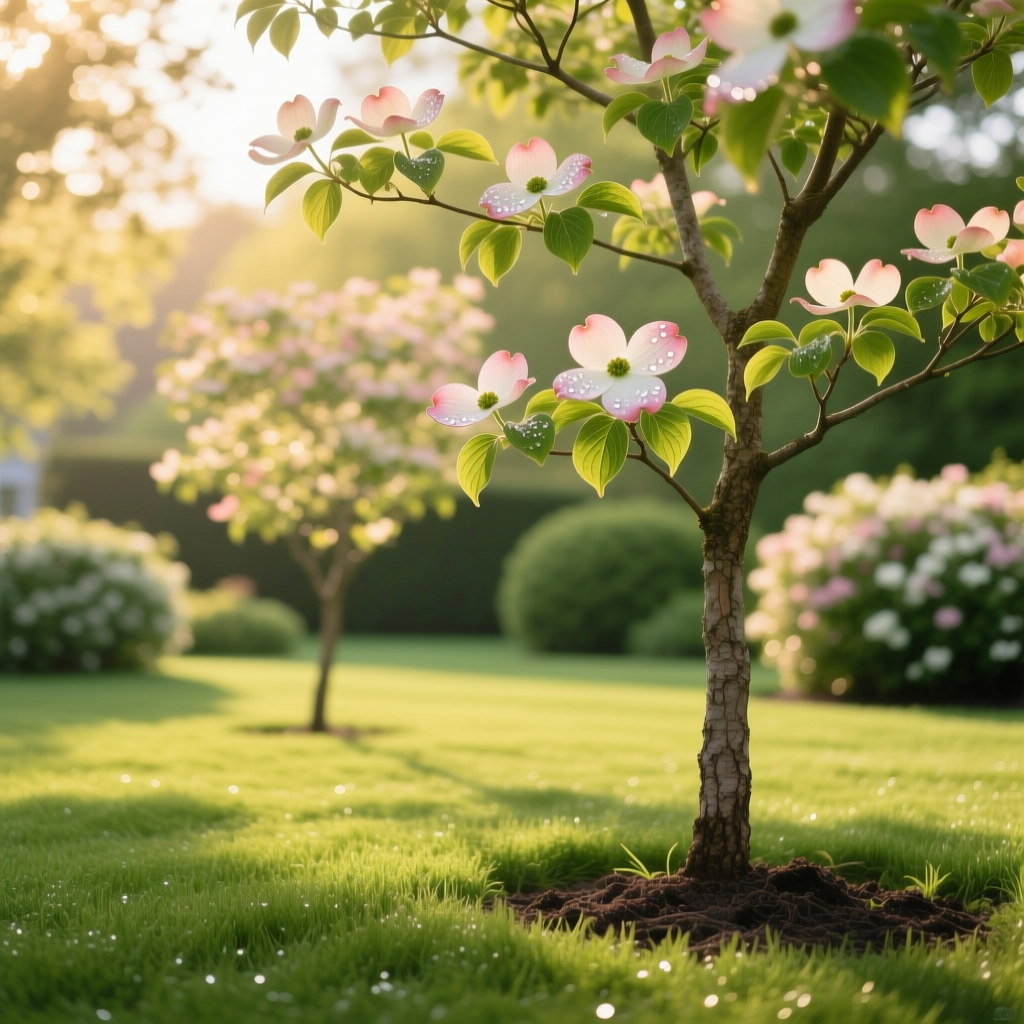
Dogwood Tree Care: Planting, Pruning, & Maintenance
The Ultimate Guide to Dogwood Tree Care: Planting, Pruning, & Maintenance
Dogwood trees are among the most beloved ornamental trees in North America, celebrated for their spectacular spring bracts, elegant horizontal branching, and vibrant autumn foliage. Whether you are cultivating the native Flowering Dogwood, the resilient Kousa Dogwood, or the majestic Pacific Dogwood, these stunning specimens require specific conditions to thrive. Unlike many standard landscape trees, dogwoods have shallow root systems and distinct environmental preferences that make proper care essential for their longevity.
In this comprehensive guide, we will explore everything you need to know about dogwood tree care. From selecting the perfect planting site and mastering watering techniques to pruning for structural integrity and defending against common diseases, this resource will help you maintain a vibrant, healthy landscape. For those integrating these trees into a broader yard design, understanding how tree care intersects with your lawn maintenance routines is crucial for a harmonious outdoor space.
Understanding Dogwood Trees & Their Basic Needs
Before diving into maintenance, it is important to understand the natural habitat and biological needs of dogwood trees. In the wild, most dogwood species grow as understory trees. This means they naturally thrive beneath the protective canopy of larger forest trees, receiving dappled sunlight and benefiting from the rich, organic, and well-draining soil of the forest floor. Replicating these conditions in your landscape is the secret to successful dogwood tree care.
Popular Dogwood Varieties
- Flowering Dogwood (Cornus florida): Native to eastern North America, this variety is famous for its early spring blooms and brilliant red fall color. It prefers partial shade and is highly susceptible to certain fungal diseases if stressed.
- Kousa Dogwood (Cornus kousa): An Asian species that blooms slightly later than the Florida dogwood. It is notably more resistant to diseases, tolerates more direct sunlight, and produces unique, raspberry-like fruit in the autumn.
- Pacific Dogwood (Cornus nuttallii): Native to the western coast, this tree features massive, showy bracts and thrives in mild, coastal climates with excellent drainage.
- Cornelian Cherry Dogwood (Cornus mas): Technically a different species but part of the same genus, it blooms very early with yellow flowers and is exceptionally cold-hardy and disease-resistant.
Regardless of the species, all dogwoods share a need for acidic, well-draining soil and consistent moisture. If you are unsure about your native soil composition, we highly recommend utilizing a soil testing guide to determine your pH levels and nutrient deficiencies before planting.
Planting & Site Selection for Long-Term Success
The most critical phase of dogwood tree care begins before the tree even goes into the ground. Site selection and proper planting techniques will dictate the health of your tree for decades to come.
Choosing the Right Location
Because of their understory origins, dogwoods perform best in locations that receive morning sun and afternoon shade. Full, blistering afternoon sun can scorch their leaves and increase water stress, while deep, heavy shade will result in sparse foliage and reduced blooming. Additionally, ensure the site has excellent drainage. Dogwoods will quickly succumb to root rot if left sitting in heavy, waterlogged clay soils.
The Planting Process
When planting a new dogwood, dig a hole that is two to three times wider than the root ball, but no deeper. The most common mistake homeowners make is planting trees too deeply. You must identify the root flare—the point where the trunk widens at the base and transitions into roots. This flare must sit slightly above the surrounding soil grade. Planting too deeply suffocates the roots and invites trunk-rotting pathogens.
Backfill the hole with the native soil you removed. Avoid the temptation to amend the backfill with heavy compost or potting soil. Amending only the planting hole creates a 'bathtub effect,' where water collects in the loose soil and drowns the roots, while the surrounding native soil remains hard and impenetrable. Once planted, water deeply to eliminate air pockets.
Watering, Mulching, & Soil Management
Dogwoods possess shallow, fibrous root systems that make them highly sensitive to drought stress. Establishing a consistent watering and mulching regimen is a cornerstone of effective dogwood tree care.
Watering Requirements
Newly planted dogwoods require deep watering at least once or twice a week during their first two growing seasons. The goal is to provide about one to two inches of water per week, either through rainfall or supplemental irrigation. During periods of extreme heat or drought, mature trees will also need supplemental watering to prevent leaf scorch and premature defoliation. When planning your landscape irrigation, be mindful of how tree watering overlaps with your lawn watering schedules to ensure neither your turf nor your trees are over- or under-watered.
The Importance of Proper Mulching
Mulch is a dogwood's best friend. It mimics the natural forest floor, retaining soil moisture, regulating soil temperature, and suppressing competing weeds. Apply a two- to four-inch layer of organic mulch, such as shredded hardwood or pine bark, in a wide ring around the tree. The mulch ring should extend at least to the tree's drip line if possible.
Crucial Warning: Never pile mulch against the trunk of the tree. This practice, known as 'volcano mulching,' traps moisture against the bark, leading to rot, and provides a hiding place for rodents and boring insects. Always leave a three-inch gap between the mulch and the trunk base.
Fertilizing and Soil pH
Dogwoods prefer slightly acidic soil, ideally with a pH between 5.5 and 6.5. If your soil is too alkaline, the tree may struggle to absorb essential nutrients like iron, leading to chlorosis (yellowing leaves). Fertilize sparingly. Over-fertilizing, especially with high-nitrogen formulas intended for turfgrass, can promote weak, succulent growth that is highly attractive to pests. If you must fertilize, use a slow-release, acidic fertilizer formulated for broadleaf evergreens or azaleas in early spring. For more details on balancing landscape nutrition, review our comprehensive fertilizing guide.
Pruning Techniques for Shape & Vigor
Pruning is essential for maintaining the structural integrity, airflow, and aesthetic appeal of your dogwood. However, improper pruning can cause severe stress and open the door to devastating diseases.
When to Prune
The best time to prune dogwood trees is during their dormant season, typically in late fall or mid-winter. Pruning while the tree is dormant minimizes sap loss and reduces the risk of attracting the dogwood borer, an insect that is highly active in the spring and summer and is drawn to the scent of fresh pruning wounds.
Pruning Techniques
Focus on removing dead, diseased, or damaged wood first. Next, remove any crossing or rubbing branches to improve airflow through the canopy. Good airflow is vital for drying out the leaves after rain, which significantly reduces the likelihood of fungal infections like powdery mildew and anthracnose.
When removing larger branches, always use the three-cut method to prevent the bark from tearing down the trunk. Make an undercut a few inches from the branch collar, followed by a top cut slightly further out to remove the bulk of the branch's weight. Finally, make a clean, precise cut just outside the branch collar. Never apply pruning paint or wound sealants; trees have natural compartmentalization processes that heal wounds more effectively when left exposed to the air. Always sterilize your pruning tools with rubbing alcohol between cuts to prevent the spread of pathogens.
Common Dogwood Diseases & Pest Control
Despite their beauty, dogwoods are vulnerable to several specific pests and diseases. Proactive monitoring and cultural care are your best defenses.
Dogwood Anthracnose
Anthracnose is a serious fungal disease that primarily affects Flowering and Pacific dogwoods, especially in cool, wet spring weather. Symptoms include tan spots with purple borders on the leaves, which eventually merge and cause the entire leaf to wither. The fungus can also spread to the twigs and trunk, causing cankers that can girdle and kill the tree. To prevent anthracnose, ensure excellent canopy airflow, avoid overhead watering, and rake up and destroy fallen leaves in the autumn to remove overwintering fungal spores. In severe cases, preventative fungicide applications in early spring may be necessary.
Powdery Mildew
Powdery mildew appears as a white, dusty coating on the leaves, usually in mid-to-late summer. While it rarely kills the tree, it reduces photosynthesis and ruins the aesthetic appeal. Planting disease-resistant varieties, like the Kousa dogwood, and maintaining proper spacing for airflow are the best preventative measures.
The Dogwood Borer
The dogwood borer is the larval stage of a clearwing moth. The larvae burrow into the trunk and branches, feeding on the cambium layer. Infestations are often identified by small holes in the bark oozing a sawdust-like frass. Borers almost exclusively attack stressed trees or those with mechanical bark damage. Protect your tree by avoiding string trimmers and lawn mowers near the trunk, and maintaining a wide mulch ring to keep turfgrass equipment at a safe distance.
Seasonal Care Calendar
To keep your dogwood thriving year-round, follow this seasonal maintenance checklist:
- Spring: Apply a fresh layer of mulch before the summer heat arrives. Monitor for early signs of anthracnose as leaves emerge. If your tree is young and planted in an exposed area, ensure it is receiving adequate water as it breaks dormancy.
- Summer: Water deeply during dry spells. Dogwoods will show drought stress by drooping or curling their leaves. Do not fertilize during the heat of summer, as this forces new growth that will not harden off before winter.
- Autumn: Rake and dispose of fallen leaves to disrupt the life cycle of overwintering fungal diseases. This is also the time to evaluate the tree's structure as the leaves drop.
- Winter: Perform structural pruning while the tree is fully dormant. Protect young, thin-barked trunks from winter sunscald and rodent damage using breathable tree guards.
If you are looking to expand your landscape with other beautiful flowering specimens, our guide on magnolia tree care offers excellent complementary planting advice.
Frequently Asked Questions (FAQ)
How fast do dogwood trees grow?
Dogwoods are generally considered slow to moderate growers. Under optimal conditions, a healthy dogwood will grow approximately one to two feet per year. It can take several years for a newly planted tree to establish its root system and reach its mature height of 15 to 30 feet, depending on the species.
Why is my dogwood tree not blooming?
A lack of blooms can be caused by several factors. First, the tree may simply be too young; dogwoods often take three to five years to produce significant flowers after planting. Second, insufficient light can inhibit blooming; while they like shade, they still need some direct morning sun to set buds. Third, excessive nitrogen from nearby lawn fertilizers can promote lush leafy growth at the expense of flowers. Finally, a late spring frost can kill the delicate flower buds before they have a chance to open.
Can dogwood trees tolerate full sun?
The native Flowering Dogwood (Cornus florida) struggles in full, unfiltered afternoon sun and will suffer from leaf scorch and increased water stress. However, the Kousa Dogwood (Cornus kousa) is much more sun-tolerant and can thrive in full sun locations, provided it receives adequate and consistent irrigation. If you are planting in a heavily shaded area where traditional turf struggles, consider exploring our recommendations for shade-tolerant grasses to integrate with your tree's canopy.
What is the best companion planting for dogwoods?
Because dogwoods have shallow roots, you must avoid planting aggressive, deep-rooted shrubs or heavy groundcovers that will compete for water and nutrients. Excellent companion plants include shade-loving perennials like hostas, ferns, astilbes, and coral bells. Acid-loving shrubs like azaleas and rhododendrons also share similar soil preferences and make beautiful understory companions.
How do I protect my dogwood from winter damage?
Winter damage usually manifests as sunscald on the thin bark of young trees or dieback from harsh, drying winds. To protect your tree, maintain a thick mulch ring to insulate the shallow roots from freeze-thaw cycles. You can also wrap the trunks of young trees with commercial tree wrap or white plastic guards during the winter months to reflect the sun and prevent the bark from cracking due to rapid temperature fluctuations.
Conclusion
Dogwood trees are a magnificent addition to any landscape, offering multi-season interest with their iconic blooms, striking branching habits, and colorful autumn foliage. While they require a bit more attention than some standard shade trees, the rewards of proper dogwood tree care are well worth the effort. By respecting their natural understory preferences, providing consistent moisture, applying mulch correctly, and staying vigilant against pests and diseases, you can ensure your dogwoods remain a stunning focal point in your yard for generations to come.