Home & Garden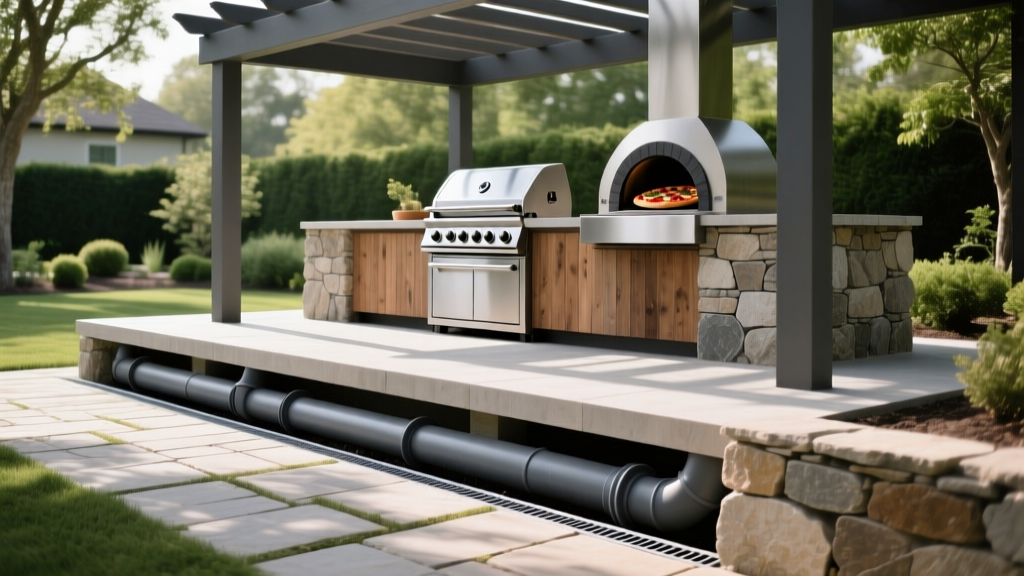
Outdoor Kitchen Drainage: 2026 Grill & Pizza Oven Guide
Robert HayesPublished
The Foundation of 2026 Outdoor Culinary Spaces
As we navigate through 2026, the trend of bridging indoor luxury with outdoor living has reached new heights. Homeowners are no longer satisfied with a simple freestanding charcoal grill; today's outdoor kitchens feature high-BTU smart infrared grills, integrated refrigeration, and massive masonry pizza ovens. However, while most design focus is placed on granite countertops, weather-resistant cabinetry, and premium appliances, the true longevity of your outdoor culinary space lies hidden beneath the soil. Installing a robust landscape drainage pipe system beneath your outdoor kitchen pad is an absolute necessity to protect your heavy investment from catastrophic structural failure.
Why Masonry Ovens and Built-In Grills Demand Superior Drainage
When you install a permanent outdoor kitchen, you are dealing with immense weight and extreme temperature variations. A premium built-in masonry pizza oven, such as the popular Chicago Brick Oven CBO-750 or a custom Fontana Forni setup, can easily exceed 1,500 to 2,500 pounds once the masonry veneer and concrete foundation are accounted for. Add the weight of a heavy-duty stainless steel grill island, stone cladding, and the concrete pad itself, and your backyard soil is supporting several tons of concentrated load.
If the soil beneath this pad retains water, you introduce two massive threats: hydrostatic pressure and frost heave. During heavy spring rains or winter freeze-thaw cycles, waterlogged soil expands and shifts. According to the USDA Natural Resources Conservation Service, improper subsurface water management is a leading cause of structural settling in residential landscaping. If your concrete pad shifts even a fraction of an inch, the masonry dome of your pizza oven can fracture, ruining the oven's thermal dynamics and requiring a complete teardown. Furthermore, shifting foundations can sever the rigid gas lines feeding your built-in grill, creating a severe safety hazard. A properly engineered landscape drainage pipe network mitigates these risks by rapidly channeling subsurface water away from the kitchen footprint.
Choosing the Right Landscape Drainage Pipe in 2026
Not all drainage pipes are created equal, especially when they must support the heavy loads of an outdoor kitchen environment. In 2026, contractors and DIY enthusiasts generally choose between three main types of landscape drainage pipes for heavy-duty hardscaping projects.
| Pipe Material | Best Application | Load-Bearing Capacity | 2026 Avg. Cost (per 10ft) |
|---|---|---|---|
| Corrugated (ADS N-12) | Perimeter yard grading and French drains | Medium (Requires deep gravel bed) | $14 - $22 |
| Schedule 40 PVC | Directly under heavy masonry ovens and pads | High (Rigid, handles point loads) | $20 - $32 |
| Triple-Wall Corrugated | High-volume runoff zones and downspout ties | Medium-High | $28 - $40 |
For the immediate perimeter of your outdoor kitchen, standard corrugated pipe works well to pull water away from the patio area. However, if your drainage trench must pass directly beneath the concrete pad supporting your pizza oven, rigid Schedule 40 PVC is the mandatory choice. The rigid walls of the PVC prevent the pipe from collapsing under the immense point loads of a masonry oven, ensuring your drainage system remains functional for decades.
Step-by-Step Drainage Installation for the Kitchen Pad
Integrating a landscape drainage pipe system requires precision excavation before a single drop of concrete is poured. Follow these steps to ensure a dry, stable base for your grill and oven.
Step 1: Excavation and Grading
Excavate the area for your outdoor kitchen pad to a depth of at least 18 to 24 inches below the final grade. The trench for your landscape drainage pipe should be dug along the lowest edge of the kitchen footprint, or in a grid pattern beneath the pad if you are dealing with heavy clay soils. Experts at This Old House recommend a minimum slope of 1/8 to 1/4 inch per foot for drainage trenches to ensure gravity effectively moves water toward the discharge point or dry well.
Step 2: Lining and Pipe Placement
Line the excavated trench with a high-quality, non-woven geotextile fabric. This fabric is crucial in 2026 landscaping, as it prevents fine soil particles from migrating into your gravel and clogging the landscape drainage pipe over time. Place your chosen pipe (solid PVC for load-bearing zones, perforated pipe for water collection zones) into the trench. Ensure all joints are securely glued with PVC primer and cement if using Schedule 40, or snapped tightly together if using corrugated fittings.
Step 3: The Gravel Base and Backfill
Surround the landscape drainage pipe with 3/4-inch clean crushed stone. Avoid using pea gravel, as its round edges do not interlock, leading to shifting under heavy loads. The clean crushed stone creates a massive subterranean reservoir that catches water and feeds it into the perforations of your pipe. Fold the excess geotextile fabric over the top of the gravel to create a 'gravel burrito,' completely encapsulating the drainage bed and separating it from the topsoil or concrete base.
Step 4: Pouring the Reinforced Concrete Pad
Once your drainage system is backfilled and compacted, it is time to form and pour the concrete pad. The American Concrete Institute outlines strict guidelines for pouring reinforced concrete over excavated soils. For an outdoor kitchen holding a masonry pizza oven, pour a minimum 6-inch thick slab reinforced with a grid of 1/2-inch steel rebar spaced 16 inches on center. This rigid slab will distribute the immense weight of the oven and grill evenly across your newly installed drainage bed, preventing localized settling.
Integrating Sink Plumbing with Yard Drainage
Modern 2026 outdoor kitchens almost always include a prep sink, bar sink, or integrated ice maker. Managing this greywater is a critical component of your overall landscape drainage pipe strategy. You cannot simply let sink runoff pool beneath the kitchen island, as the constant moisture will degrade the soil and attract pests.
Install a dedicated PVC waste line from your outdoor sink that ties into a separate, secondary landscape drainage pipe leading to a dedicated dry well or a municipal-approved storm drain. Ensure this pipe is solid (non-perforated) so that greywater does not leak into the gravel bed supporting your pizza oven. Incorporate a P-trap and a vented cleanout access point near the base of the kitchen island so you can easily clear out food particles and grease buildup before they reach the main yard drainage system.
Smart Maintenance and Catch Basins
Even the best-installed landscape drainage pipe system requires periodic maintenance to function correctly. In 2026, smart home integration has even reached the backyard, with some homeowners installing wireless moisture sensors in their outdoor kitchen gravel beds to monitor subsurface water levels via smartphone apps.
For physical maintenance, install NDS square catch basins at the corners of your outdoor kitchen patio where surface water tends to accumulate. These basins should tie directly into your solid PVC drainage lines. At the termination point of your drainage system, install a removable grate or a pop-up emitter. This allows you to run a plumbing snake or a high-pressure garden hose through the landscape drainage pipe once a year to clear out any silt, root intrusions, or debris that may have bypassed the geotextile fabric.
Conclusion
Designing an outdoor kitchen with a built-in grill and a masonry pizza oven is a significant financial and lifestyle investment. By prioritizing the installation of a heavy-duty landscape drainage pipe system beneath your hardscaping, you ensure that your outdoor culinary space remains level, safe, and structurally sound for decades. Do not let hidden water damage turn your dream backyard oasis into a cracked, sinking nightmare; plan your drainage first, and build your kitchen on a foundation that can weather any storm.
