Lawn Care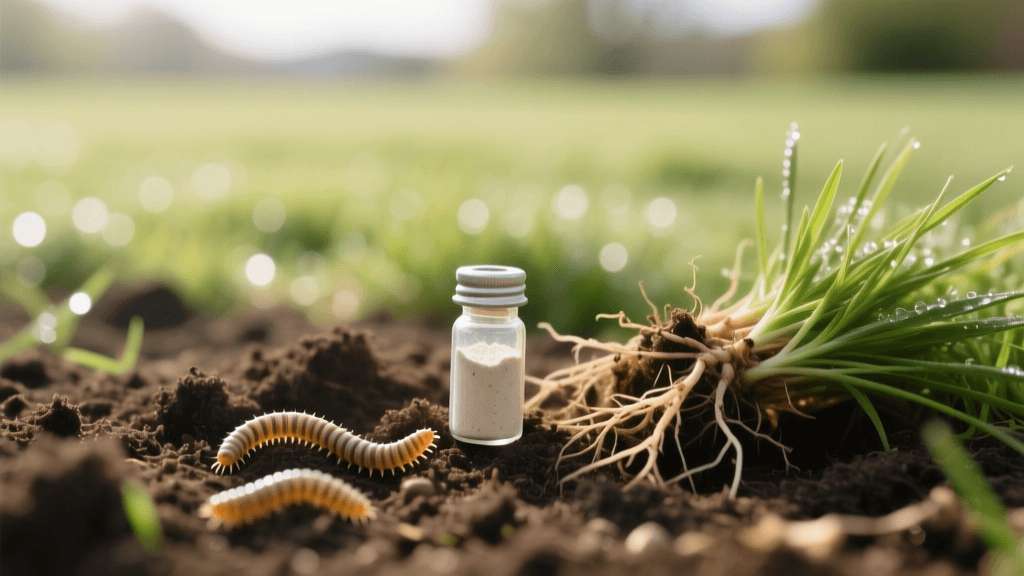
Eco-Friendly Grub Control: Nematodes & Milky Spore Guide
The Hidden Threat Beneath Your Turf
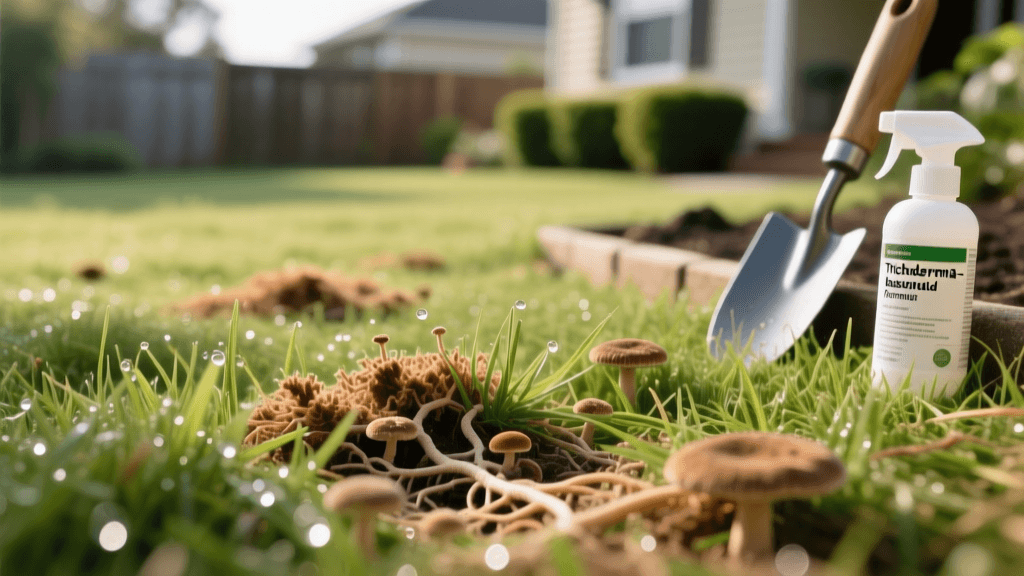
White grubs are the destructive, C-shaped larvae of various scarab beetles, including Japanese beetles, June bugs, and European chafers. These subterranean pests feed voraciously on grassroots, severing the turf's connection to its water and nutrient supply. A severe infestation can turn a lush, green lawn into a patchwork of brown, easily detachable sod in a matter of weeks. Furthermore, the damaged turf often attracts secondary pests like skunks, raccoons, and crows, which will tear up your yard to feast on the protein-rich larvae beneath the surface. According to Penn State Extension, finding more than five to ten grubs per square foot is the general threshold for requiring intervention. However, the traditional approach to eradication often involves broad-spectrum synthetic chemicals that pose significant risks to the broader ecosystem.
Why Ditch Synthetic Grub Killers?
For decades, homeowners have relied on synthetic preventive and curative grub controls, primarily neonicotinoids like imidacloprid and organophosphates like trichlorfon. While effective, these chemicals come with a heavy environmental toll. Neonicotinoids are systemic, meaning they are absorbed by the plant and can be present in pollen, nectar, and guttation droplets, posing a severe threat to vital pollinator populations like honeybees and native bumblebees. Furthermore, these chemicals can leach into groundwater or run off into local waterways, proving highly toxic to aquatic invertebrates and disrupting the delicate balance of the soil microbiome. Transitioning to eco-friendly, biological controls not only saves your lawn but also protects local watersheds and pollinator habitats.
Beneficial Nematodes: Nature's Microscopic Hunters
Beneficial nematodes are microscopic, unsegmented roundworms that occur naturally in soils worldwide. When applied to your lawn, they act as relentless, subterranean predators, actively seeking out and infecting soil-dwelling pests. Once inside the grub, the nematodes release a symbiotic bacteria that kills the host within 48 to 72 hours. The nematodes then reproduce inside the dead grub, releasing thousands of new infective juveniles into the soil to hunt for the next target. According to the University of California Statewide IPM Program, nematodes are among the most effective biological controls for soil-dwelling insects when applied correctly.
Selecting the Right Strain
Not all nematodes are created equal. For grub control, you must select a strain that is adapted to hunting deep-soil larvae. The gold standard for white grubs is Heterorhabditis bacteriophora (often labeled as Hb). This strain is highly mobile and actively hunts its prey through the soil profile, making it ideal for targeting grubs that feed deeper in the root zone. Another common strain, Steinernema carpocapsae (Sc), is an 'ambush' predator that waits near the soil surface and is better suited for surface-dwelling pests like armyworms or cutworms. Always purchase Hb strains specifically formulated for grub control from reputable biological suppliers to ensure viability.
Application Timing and Techniques
Timing and environmental conditions are critical for nematode success. Because they are living organisms, they can die if exposed to extreme heat, UV light, or desiccation. Apply nematodes in the late afternoon or early evening, or on an overcast day. The soil temperature must be consistently above 60°F for the nematodes to remain active. The ideal application window is late summer to early fall (late August through October), when grubs are young, actively feeding near the surface, and most vulnerable.
- Preparation: Water the lawn thoroughly before application to ensure the soil is moist and the thatch layer is softened.
- Mixing: Mix the nematodes with cool, distilled, or dechlorinated water. Tap water containing high chlorine levels can kill the nematodes. Let tap water sit out for 24 hours to allow chlorine to off-gas if distilled water is unavailable.
- Application: Apply using a hose-end sprayer or a watering can. Remove any fine mesh screens from the sprayer to prevent clogging and shearing the nematodes.
- Post-Care: Water the lawn immediately after application to wash the nematodes off the grass blades and into the soil. Keep the soil consistently moist for the next 10 to 14 days to allow the nematodes to move and hunt.
Cost and Coverage: A typical package containing 10 million Hb nematodes costs between $30 and $45 and treats approximately 2,000 square feet. This translates to roughly $15 to $22 per 1,000 square feet.
Milky Spore: The Long-Term Biological Solution
Milky Spore disease is a naturally occurring bacterial pathogen caused by Paenibacillus popilliae. Unlike nematodes, which offer a broad-spectrum approach to various grub species, Milky Spore is highly specific; it exclusively targets and kills the grubs of the Japanese beetle. If your region is heavily plagued by Japanese beetles, Milky Spore offers an incredible, long-term ecological advantage. As noted by Rutgers New Jersey Agricultural Experiment Station, while it takes time to establish, the long-lasting nature of the spores makes it a cornerstone of sustainable Japanese beetle management.
How Milky Spore Works
When Japanese beetle grubs ingest Milky Spore spores while feeding on grassroots, the spores multiply rapidly inside the insect's hemolymph (blood). This turns the grub's internal fluids a milky white, eventually killing the larvae. As the dead grub decays, it releases billions of new spores into the surrounding soil, effectively turning the pest into a factory for future biological control. Over time, the spore count in the soil builds up to a level that provides natural, continuous suppression of Japanese beetle populations.
Application Rates and Costs
Patience is required when using Milky Spore. It is not a quick-fix curative treatment; rather, it is a long-term inoculation for your soil. It typically takes one to three years for the spore count to build up to an effective level, depending on your soil type and climate. Once established, however, a single application can remain effective for 10 to 15 years.
- Granular vs. Powder: Milky Spore is available in a powder form (applied manually in a grid pattern) and a granular form (applied via a broadcast spreader). The powder is generally considered more effective for long-term establishment.
- Grid Application: For the powder, apply one teaspoon every four feet in a grid pattern across your lawn. This creates overlapping zones of infection as grubs move through the soil.
- Watering: Water the lawn lightly after application to help the spores wash down into the root zone where the grubs feed.
Cost and Coverage: A 10-ounce box of Milky Spore powder costs approximately $35 and treats 2,500 square feet. While the upfront cost is higher than synthetic chemicals, the 10-to-15-year lifespan makes it highly cost-effective over time, averaging out to less than $2 per 1,000 square feet annually.
Comparison Chart: Eco-Friendly vs. Chemical Grub Control
| Treatment Method | Target Pests | Speed of Control | Longevity | Est. Cost per 1,000 sq ft | Environmental Impact |
|---|---|---|---|---|---|
| Beneficial Nematodes (Hb) | Most white grubs (June bugs, chafers, Japanese beetles) | 3 to 7 days | 1 season (annual reapplication recommended) | $15.00 - $22.00 | Zero toxicity to plants, pets, humans, or pollinators |
| Milky Spore | Japanese beetle grubs exclusively | 1 to 3 years to establish | 10 to 15 years | $14.00 (initial investment) | Zero toxicity; naturally occurring soil bacteria |
| Imidacloprid (Synthetic) | Most white grubs | 1 to 2 weeks | 1 season | $8.00 - $12.00 | High toxicity to bees, aquatic life, and soil microbiome |
Cultural Practices to Prevent Grub Damage
Biological controls are most effective when paired with sustainable cultural practices that promote deep, resilient root systems and deter beetle egg-laying.
- Mow High: Set your mower deck to 3.5 or 4 inches. Taller grass shades the soil, keeping it cooler and less hospitable to female beetles looking for warm, bare soil to lay their eggs. Additionally, taller grass develops deeper root systems, allowing the turf to withstand minor grub feeding without showing visible stress.
- Deep, Infrequent Watering: Avoid frequent, shallow watering. Grubs and their fungal pathogens thrive in constantly moist, shallow topsoil. Watering deeply (about 1 inch per week) encourages roots to grow deeper, accessing moisture reserves that surface-feeding grubs cannot reach.
- Core Aeration and Overseeding: Compacted soil stresses turf and makes it more susceptible to grub damage. Core aerate your lawn annually in the fall and overseed with endophyte-enhanced grass seed varieties like tall fescue or perennial ryegrass. Endophytes are beneficial fungi that live inside the grass blades and produce natural alkaloids, which deter surface-feeding insects and improve overall turf vigor.
- Leave Grass Clippings: Returning clippings to the lawn provides a slow-release source of organic nitrogen and feeds the soil microbiome, creating a robust environment that supports natural predators like ground beetles and ants, which consume grub eggs.
Conclusion
Transitioning away from synthetic pesticides is one of the most impactful decisions a homeowner can make for their local ecosystem. By leveraging the predatory power of Heterorhabditis bacteriophora nematodes for immediate, broad-spectrum grub control, and inoculating your soil with Milky Spore for long-term Japanese beetle suppression, you can maintain a pristine lawn without compromising the health of your soil, local waterways, or vital pollinator populations. Sustainable lawn care requires patience and observation, but the reward is a vibrant, resilient landscape that thrives in harmony with nature.