Lawn Care
Eco-Friendly Lawn Fertilization: Organic Soil Care Guide
The Ecological Imperative of Organic Lawn Care
The modern lawn care industry is undergoing a massive paradigm shift as homeowners and environmental scientists alike recognize the ecological footprint of traditional turf management. For decades, the standard approach to achieving a dark green, weed-free lawn relied heavily on synthetic, petroleum-based fertilizers and harsh chemical herbicides. While these products offer rapid, short-term visual results, they often degrade soil biology, increase thatch buildup, and contribute to severe environmental issues such as nutrient runoff, which leads to toxic algal blooms in local waterways. Transitioning to an eco-friendly lawn care routine is not merely about avoiding chemicals; it is about actively regenerating the soil ecosystem beneath your turf.
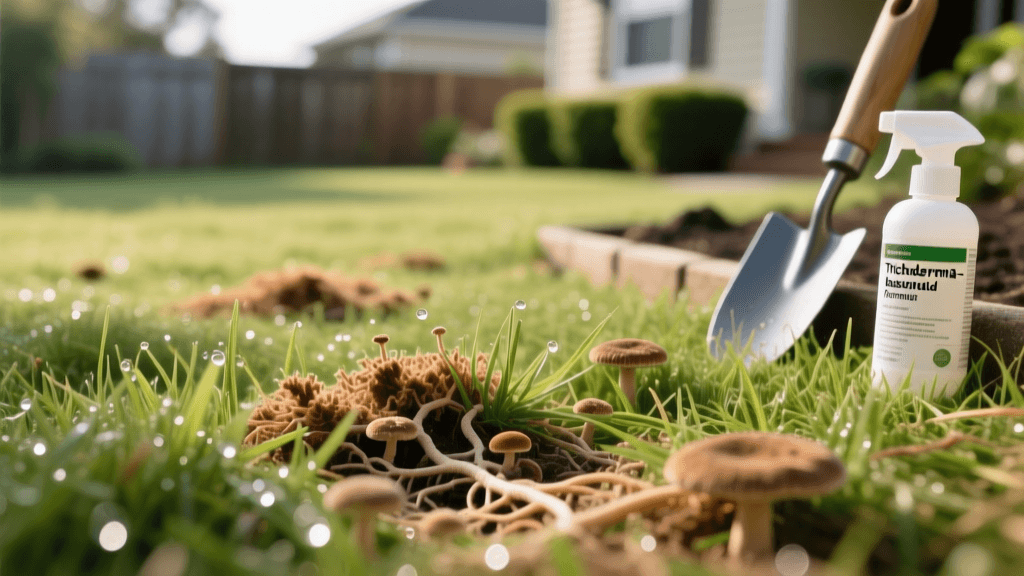
Eco-friendly lawn fertilization focuses on feeding the soil rather than force-feeding the plant. By nurturing the complex network of microorganisms, fungi, and earthworms in your yard, you create a self-sustaining environment where grass roots can thrive, access deep water reserves, and naturally resist drought and disease. This comprehensive guide will walk you through the actionable steps, specific organic amendments, and sustainable practices required to transform your lawn into a resilient, eco-friendly landscape.
Understanding the Soil Food Web
Before selecting any organic fertilizer, it is crucial to understand the soil food web. In a natural, undisturbed ecosystem, plants exude sugars through their roots to attract beneficial bacteria and mycorrhizal fungi. These microbes break down organic matter, releasing essential nutrients like nitrogen, phosphorus, and potassium in a form that grass roots can easily absorb. Synthetic fertilizers, which are essentially soluble salts, bypass this biological process. Over time, the high salt index of synthetic products sterilizes the soil, killing off beneficial microbes and leaving your lawn entirely dependent on chemical inputs.
According to the USDA Natural Resources Conservation Service, maintaining robust soil health through organic matter additions increases the soil's water-holding capacity, reduces erosion, and sequesters carbon. By switching to organic amendments, you are actively rebuilding this microscopic workforce, ensuring that nutrients are released slowly and steadily in sync with the grass's natural growth cycles.
The Critical First Step: Comprehensive Soil Testing
You cannot manage what you do not measure. The foundation of any successful eco-friendly lawn care program is a comprehensive soil test. Do not skip this step. A standard soil test will reveal your soil's pH, phosphorus (P), potassium (K), and base saturation levels. For most cool-season and warm-season turfgrasses, the ideal pH range is between 6.2 and 6.8. If your soil is too acidic (below 6.0), essential nutrients become locked up, and you will need to apply organic calcitic or dolomitic lime. If it is too alkaline (above 7.2), you may need to apply elemental sulfur.
Furthermore, request a soil test that includes Cation Exchange Capacity (CEC) and Organic Matter (OM) percentage. A healthy lawn should have an organic matter content of at least 3% to 5%. If your OM is below 2%, your soil lacks the biological sponge necessary to hold onto organic nutrients, making compost top-dressing an absolute priority.
Synthetic vs. Organic Fertilizers: A Detailed Comparison
To understand why organic methods are superior for long-term sustainability, it helps to compare them directly with conventional synthetic alternatives. The table below outlines the fundamental differences in how these products interact with your lawn and the surrounding environment.
| Feature | Synthetic Fertilizer | Organic Fertilizer |
|---|---|---|
| Nutrient Release | Rapid, water-soluble flush (lasts 2-4 weeks) | Slow, microbially driven (lasts 8-12 weeks) |
| Soil Microbiology | Damages microbes due to high salt index | Feeds and multiplies beneficial soil bacteria |
| Environmental Impact | High risk of leaching and waterway pollution | Binds to soil particles; virtually zero runoff |
| Carbon Footprint | High (manufactured using fossil fuels) | Low (derived from plant, animal, or mineral byproducts) |
| Thatch Buildup | Promotes rapid top-growth, increasing thatch | Promotes deep root growth, reducing thatch |
Compost Top-Dressing: Nature's Ultimate Soil Conditioner
If there is a single 'silver bullet' in eco-friendly lawn care, it is compost top-dressing. Compost introduces billions of beneficial microbes, improves soil structure, and provides a broad spectrum of trace minerals. The Environmental Protection Agency (EPA) highlights that composting not only diverts waste from landfills but also creates a vital soil amendment that suppresses plant diseases and reduces the need for chemical fertilizers.
How to Top-Dress with Compost
- Timing: Apply during the grass's peak growing season. Early fall is ideal for cool-season grasses (fescue, Kentucky bluegrass), while late spring is best for warm-season grasses (Bermuda, Zoysia).
- Preparation: Mow the lawn short (about 1.5 to 2 inches) and perform core aeration to allow the compost to reach the root zone.
- Application Rate: Apply a thin layer, roughly 1/4 to 1/2 inch thick. This equates to approximately 1 cubic yard of compost per 1,000 square feet of lawn.
- Cost & Sourcing: Bulk compost typically costs between $30 and $50 per cubic yard. Ensure you source from a reputable landscape supplier that uses hot-composting methods to eliminate weed seeds and pathogens. Avoid cheap, raw manure or unaged wood chips, which can burn the grass or tie up nitrogen.
- Integration: Use a push broom or a specialized compost spreader to work the material down into the aeration holes and grass canopy. Water deeply immediately after application to activate the microbial life.
Grasscycling: The Free Fertilizer Beneath Your Mower
One of the most effective, zero-cost sustainable practices is 'grasscycling'—the act of leaving grass clippings on the lawn after mowing. According to the University of Minnesota Extension, grass clippings can return up to 25% of the lawn's required nitrogen back to the soil over the course of a season. Clippings are composed of 80% water and decompose rapidly, provided you follow the 'one-third rule': never cut off more than one-third of the grass blade height in a single mowing session. This prevents clumping and ensures the clippings filter down to the soil surface where earthworms and fungi can break them down. To facilitate this, invest in a high-quality mulching mower blade, which chops the clippings into fine, easily digestible particles.
Targeted Organic Amendments for Specific Deficiencies
While compost provides a baseline of nutrition, you may need targeted organic fertilizers to address specific macronutrient deficiencies identified in your soil test. Organic fertilizers are derived from natural sources and must be broken down by soil microbes before the grass can use them, meaning they are highly dependent on soil temperature and moisture.
- Alfalfa Meal (3-1-2): An excellent all-around organic fertilizer that contains triacontanol, a natural growth hormone that stimulates root development and microbial activity. Apply at a rate of 10-20 lbs per 1,000 sq ft.
- Feather Meal (12-0-0): A slow-release, high-nitrogen amendment perfect for promoting deep green color and vigorous leaf growth in the spring. It breaks down slowly over 3 to 4 months.
- Kelp Extract (Liquid): While low in NPK, liquid seaweed is packed with over 60 trace minerals, amino acids, and cytokinins. It is unparalleled for helping lawns survive heat stress, drought, and fungal pressure. Apply as a foliar spray every 3-4 weeks during the summer.
- Humic Acid: Derived from decomposed organic matter (leonardite), humic acid acts as a chelator, making existing soil nutrients more available to grass roots while improving the CEC of sandy soils.
Eco-Friendly Weed Management: Pre-Emergents and Iron
A thick, organically fed lawn is the best defense against weeds, but eco-friendly weed control options exist for when nature pushes back.
Corn Gluten Meal (CGM) for Pre-Emergent Control
Derived from the milling of corn, Corn Gluten Meal is a natural pre-emergent herbicide that inhibits root formation in germinating weed seeds (like crabgrass and dandelions). It must be applied in early spring when soil temperatures reach 50°F to 55°F, just before weed seeds germinate. Apply at a heavy rate of 20 lbs per 1,000 sq ft. Note that CGM will also prevent grass seed from germinating, so do not use it if you plan to overseed. As a bonus, CGM breaks down into a 9-0-0 organic fertilizer, feeding your lawn as it protects it.
Chelated Iron (FeHEDTA) for Broadleaf Weeds
For post-emergent control of broadleaf weeds (dandelions, clover, plantain), avoid synthetic 2,4-D and glyphosate. Instead, use chelated iron herbicides. Broadleaf weeds absorb iron in toxic amounts, causing them to wither and die within hours, while turfgrass naturally tolerates the iron and simply turns a slightly darker green. It is safe for pets, pollinators, and the surrounding environment once dry.
The Annual Eco-Friendly Lawn Care Schedule
Consistency is key when building soil health organically. Follow this seasonal schedule for optimal results:
- Early Spring: Apply Corn Gluten Meal for pre-emergent weed control and early nitrogen feeding. Wait until the grass actively grows to begin mowing.
- Late Spring: Apply a slow-release organic fertilizer (like Alfalfa Meal or Feather Meal) to support the spring growth flush. Begin liquid kelp applications to prep the grass for summer heat.
- Summer: Focus on deep, infrequent watering (1 inch per week) to encourage deep roots. Continue monthly liquid kelp and humic acid applications to mitigate drought stress. Raise mower blades to 3.5 or 4 inches to shade the soil and retain moisture.
- Early Fall: The most critical time for eco-friendly lawn care. Core aerate the lawn and apply a 1/4 inch layer of compost top-dressing. Overseed bare patches with a drought-tolerant, regionally appropriate seed mix (such as a fescue-microclover blend).
- Late Fall: Apply a final round of organic fertilizer (higher in potassium for winter hardiness) and continue to mulch-mow fallen leaves directly into the turf to feed the soil food web over the winter.
Conclusion: Patience and the Long-Term Vision
Transitioning to an eco-friendly, organic lawn care regimen requires a shift in expectations. Synthetic fertilizers act like a shot of espresso for your lawn—providing a rapid, artificial spike in growth that quickly fades. Organic methods act like a balanced, nutrient-dense diet, building long-term vitality, deep root systems, and natural disease resistance. In the first year of transition, you may notice a temporary lag in growth or an increase in weed pressure as the soil biology recovers from years of chemical sterilization. However, by the second and third years, the compounding benefits of compost, grasscycling, and organic amendments will result in a deeply rooted, drought-tolerant, and vibrantly green lawn that protects the local watershed and supports a thriving ecosystem in your own backyard.