
Landscaping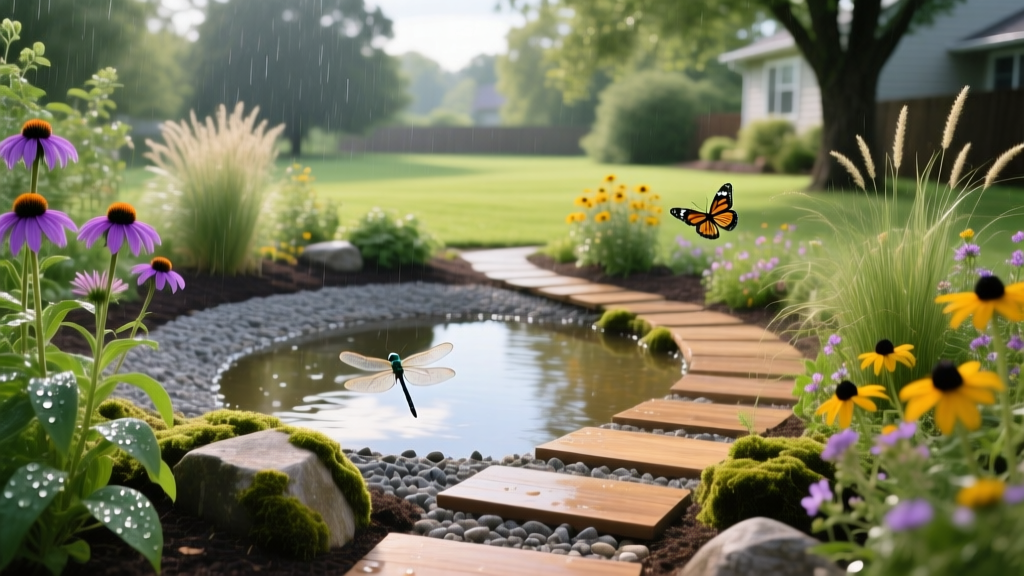
Eco-Friendly Rain Garden Design: Sustainable Stormwater Guide
Emily WatsonPublished
The Rise of Sustainable Stormwater Management
As urban and suburban development continues to expand, the prevalence of impervious surfaces like concrete driveways, asphalt roads, and traditional rooftops has created a significant environmental challenge: stormwater runoff. When rain falls on these hard surfaces, it cannot naturally percolate into the earth. Instead, it rushes across the landscape, picking up pollutants such as motor oil, synthetic fertilizers, pet waste, and heavy metals, ultimately depositing them into local waterways and watersheds. According to the United States Environmental Protection Agency (EPA), green infrastructure techniques like bioretention cells—commonly known as rain gardens—are among the most effective, eco-friendly methods for mitigating this issue right in your own backyard.
A rain garden is not merely a decorative landscape feature; it is a highly engineered, sustainable ecosystem designed to capture, filter, and slowly release stormwater back into the groundwater table. By transitioning away from traditional French drains that simply move water off-site, homeowners can embrace bioretention to protect local waterways, recharge aquifers, and create vital micro-habitats for pollinators.
What Exactly is a Rain Garden?
A rain garden is a shallow, landscaped depression planted with deep-rooted native plants and grasses. It is strategically positioned near a runoff source, such as a downspout or a paved driveway, to capture water before it reaches the municipal storm sewer system. The University of Maryland Extension notes that a properly constructed rain garden can filter out up to 90% of nutrients and chemicals, and up to 80% of sediments from stormwater runoff. Furthermore, these gardens allow for 30% more water to soak into the ground compared to a conventional turf grass lawn.
"Rain gardens are a beautiful, functional, and ecologically responsible way to manage stormwater. They mimic the natural hydrology that existed before development, turning a pollution problem into a vibrant garden habitat."
Step 1: Site Selection and the 10-Foot Rule
Choosing the right location is the most critical step in sustainable landscape design. You want to intercept water naturally, but you must also protect your home's structural integrity. Follow the "10-Foot Rule": always position your rain garden at least 10 feet away from your home's foundation to prevent water from seeping into your basement or undermining your footings. Additionally, avoid placing the garden directly over a septic system, leach field, or underground utilities. Always call your local utility marking service (like 811 in the United States) before you begin digging.
The Percolation Test
Before committing to a site, you must verify that your native soil can absorb water efficiently. Dig a test hole about 12 inches deep and 6 inches wide. Fill it with water and let it drain completely to saturate the soil. Then, fill it a second time and measure how long it takes for the water to drop one inch. If the water drains at a rate of at least 1 inch per hour, the site is viable. If it takes longer than 24 hours to drain completely, you may need to amend the soil heavily or choose a different location to prevent creating a stagnant mosquito breeding ground.
Step 2: Sizing Your Bioretention Cell
A common misconception is that rain gardens need to be massive to be effective. In reality, a residential rain garden typically only needs to be about 20% of the total impervious surface area that drains into it. For example, if a 1,000-square-foot section of your roof drains into a single downspout, a rain garden of roughly 200 square feet will be sufficient to capture and filter the first flush of a standard rain event (usually the first inch of rainfall).
The depth of the basin should generally be between 4 to 8 inches. This specific depth ensures that the garden can hold a substantial volume of water while still allowing it to drain completely within 24 to 48 hours, which is the critical threshold for preventing mosquito larvae from maturing.
Step 3: The Ideal Bioretention Soil Mix
Do not simply fill your excavated basin with heavy native clay or standard potting soil. Standard topsoil compacts easily and restricts drainage, while pure sand lacks the nutrients necessary to sustain plant life and bind heavy metals. The gold standard for eco-friendly rain gardens is a specially engineered bioretention soil mix. This mix is designed to maximize infiltration rates while providing enough organic matter to support microbial life, which naturally breaks down pollutants.
- 50% Coarse Washed Sand: Provides macropores for rapid drainage and prevents soil compaction.
- 30% Topsoil: Offers structural support and a base mineral profile.
- 20% Organic Compost: Retains moisture during dry spells, provides slow-release nutrients, and binds to heavy metals and phosphorus to prevent them from leaching into the groundwater.
You can purchase pre-mixed bioretention soil from local landscape suppliers, typically costing between $40 and $65 per cubic yard. For a 200-square-foot garden excavated to a depth of 12 inches (to allow for 6 inches of soil and 6 inches of water pooling), you will need approximately 7.5 cubic yards of this mix.
Step 4: Selecting Native, Water-Tolerant Plants
The plants in a rain garden are the engines of your bioretention system. Their deep root systems create channels in the soil that enhance water infiltration, while their foliage intercepts rainfall and slows its velocity. The Lady Bird Johnson Wildflower Center heavily advocates for using strictly native species, as they are adapted to local climate fluctuations, require zero synthetic fertilizers, and provide essential forage for indigenous pollinators.
A rain garden experiences three distinct micro-climates: the bottom (which stays wet the longest), the slopes (which experience fluctuating moisture), and the edges (which remain relatively dry). You must choose plants that can tolerate both temporary inundation and periods of summer drought.
| Common Name | Botanical Name | Garden Zone | Moisture Tolerance | Eco-Benefit |
|---|---|---|---|---|
| Swamp Milkweed | Asclepias incarnata | 3-9 | Wet to Medium | Primary host plant for Monarch butterfly caterpillars. |
| Blue Flag Iris | Iris versicolor | 3-9 | Wet to Moist | Excellent for the basin center; roots filter heavy metals. |
| New England Aster | Symphyotrichum novae-angliae | 4-8 | Medium to Dry | Provides crucial late-season nectar for migrating pollinators. |
| Switchgrass | Panicum virgatum | 5-9 | Wet to Dry | Deep, 10-foot root system breaks up compacted subsoil. |
| Joe-Pye Weed | Eutrochium purpureum | 4-9 | Wet to Moist | Tall structural element that attracts dozens of butterfly species. |
Step 5: Mulching and Finishing Touches
Mulch is essential for retaining soil moisture, suppressing weeds, and protecting plant roots. However, in a rain garden, you must avoid standard pine bark or lightweight wood chips, as these will float away during the first heavy rainstorm, potentially clogging your overflow outlet or washing into the street. Instead, use a heavy, double-shredded hardwood mulch or river rock. Apply a 2-to-3-inch layer over the soil surface, ensuring you keep the mulch a few inches away from the crowns of your newly planted perennials to prevent rot.
To manage overflow during extreme weather events, incorporate a "level spreader" or a small berm break at the lowest point of the garden's edge. Line this overflow exit with river stones to dissipate the energy of the exiting water and prevent erosion.
Estimated Costs for a 100-Square-Foot Rain Garden
Building a sustainable rain garden is an investment in your property's ecology and drainage. While costs vary by region and material availability, here is a realistic budget breakdown for a DIY 100-square-foot project excavated to 12 inches:
- Bioretention Soil Mix (4 cubic yards): $200 - $260
- Native Plugs and 1-Gallon Perennials (20-30 plants): $250 - $450
- Hardwood Mulch (2 cubic yards): $80 - $120
- River Stone for Overflow and Inlet: $60 - $100
- Miscellaneous (Landscape fabric, edging, compost tea): $50
- Total Estimated DIY Cost: $640 - $980
Many local municipalities and soil conservation districts offer eco-friendly rebates or grant programs that reimburse homeowners for a percentage of their rain garden installation costs, significantly offsetting the initial investment.
Long-Term Eco-Friendly Maintenance
Unlike traditional landscaped beds that require weekly chemical treatments and excessive irrigation, a mature rain garden is remarkably self-sustaining. During the first two growing seasons, you will need to water the garden during dry spells to help the native plants establish their deep root systems. After year three, the garden should thrive entirely on natural rainfall.
Maintenance primarily involves ecological stewardship. In the spring, trim back dead perennial stalks to allow new growth to emerge, and leave the stems in a brush pile to provide overwintering habitat for native bees. Periodically inspect the inlet and overflow areas for sediment buildup or debris, and remove any invasive weeds by hand. By embracing this sustainable landscaping technique, you are actively reducing your carbon footprint, protecting local watersheds, and fostering biodiversity in your own backyard.

