Home & Garden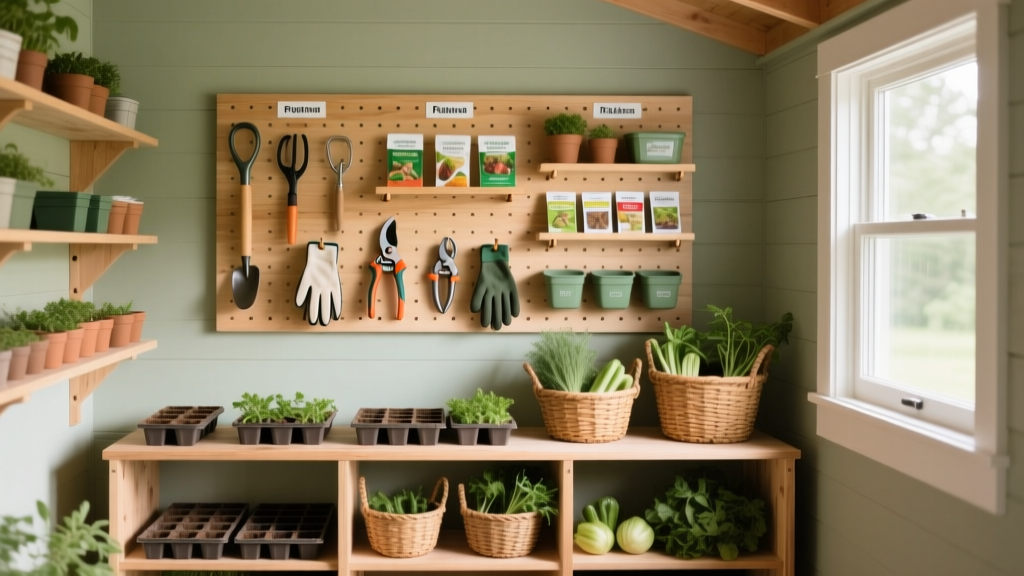
2026 Foodscaping Shed Organization: Pegboards & Shelves
Robert HayesPublished
The Heart of the Edible Landscape: Why Shed Organization Matters in 2026
As the foodscaping movement continues to dominate home gardening trends in 2026, the line between ornamental landscaping and functional food production has completely blurred. Homeowners are integrating fruit-bearing espalier trees, perennial vegetable borders, and pollinator-friendly herb spirals into their front yards. However, managing a highly productive edible landscape requires a diverse arsenal of specialized tools, from grafting knives and fruit-picking baskets to organic soil amendments and seed-saving envelopes. Without a dedicated, meticulously organized storage space, maintaining this level of productivity becomes a chaotic chore.
Your garden shed is the operational heart of your edible landscape. Upgrading your shed with a strategic pegboard wall and heavy-duty shelving system is not just about aesthetics; it is about maximizing efficiency, protecting your investments, and streamlining the journey from garden-to-table. In this comprehensive 2026 guide, we will explore how to design, zone, and install the ultimate pegboard and shelving layout tailored specifically for the modern foodscaper.
Designing the Ultimate Foodscaping Pegboard Wall
When outfitting a shed dedicated to edible landscaping, standard masonite pegboard often falls short. The humidity fluctuations inherent in a garden shed, combined with the weight of heavy harvesting tools, demand a more robust solution.
Material Selection: Metal vs. High-Density Polyethylene (HDPE)
For the 2026 growing season, we strongly recommend upgrading to either powder-coated steel or high-density polyethylene (HDPE) pegboard systems. Steel pegboards offer unparalleled load-bearing capacity, easily supporting heavy orchard loppers, cast-iron cider presses, and bulk bags of organic fertilizer. HDPE boards, on the other hand, are completely impervious to moisture, rot, and rust, making them ideal for damp shed environments where you might be storing freshly washed root crops or curing alliums. Both materials utilize standard 1-inch and 0.25-inch hole spacing, ensuring compatibility with modern, heavy-duty hook assortments.
Zoning Your Pegboard for Edible Gardening
A successful foodscaping shed relies on 'zoning'—grouping tools by their specific function in the edible garden lifecycle. Divide your pegboard into three distinct operational zones:
- Zone 1: Orchard and Berry Care. Dedicate the left section to pruning and grafting. Use heavy-duty shear hooks for long-handled loppers, pole saws, and hedge trimmers. Install small mesh baskets on the pegboard to hold grafting tape, pruning wax, and sharpening stones. Keeping these tools visible and accessible ensures you never miss the narrow winter pruning window for your apple and peach trees.
- Zone 2: Harvesting and Post-Harvest. The center zone should be reserved for the harvest. Hang canvas picking aprons, specialized fruit snips, and pruning shears here. Utilize specialized pegboard arms to hang wire harvesting baskets and mesh bags used for gathering nuts or apples. This zone bridges the gap between the garden and the kitchen, ensuring your harvesting gear is always ready when your crops peak.
- Zone 3: Seed Sowing and Propagation. The right section is your propagation hub. Install shallow pegboard shelves to hold seed-starting trays, soil blockers, and dibbers. Use clear acrylic pegboard bins to organize seed packets by planting season (spring, summer, fall) and crop family (brassicas, nightshades, alliums).
Heavy-Duty Shelving for Soil, Canning, and Curing
While pegboards handle the tools, your edible landscape generates bulk materials that require robust, deep shelving. From cubic yards of organic compost to heavy glass canning jars, your shelving must bear significant weight while resisting moisture and soil-borne pathogens.
Wire vs. Solid Resin vs. Steel Shelving Comparison
Choosing the right shelf type depends on what you are storing. Below is a comparison of the top shelving materials for foodscaping sheds in 2026:
| Shelving Type | Best Foodscaping Use | Pros | Cons |
|---|---|---|---|
| Wire Shelving | Curing alliums, storing terracotta pots | Excellent airflow prevents mold; lightweight. | Small items can fall through; requires liners. |
| Solid Resin | Organic fertilizers, potting soils, compost teas | Impervious to moisture; easy to hose down; won't rust. | Can sag over time if overloaded with extreme weight. |
| Steel (Industrial) | Canning supplies, heavy cast-iron tools, bulk grains | Massive weight capacity; highly durable. | Prone to rust if scratched; heavier to install. |
For the ultimate foodscaping setup, we recommend a hybrid approach. Use wire shelving on the upper tiers for curing garlic and onions, solid resin shelving on the middle tiers for messy soil amendments, and industrial steel shelving on the bottom tier for heavy 5-gallon buckets of compost tea and bulk harvest crates.
Smart Storage Solutions for Organic Amendments and Harvests
Foodscaping relies heavily on organic soil health. Storing organic amendments like kelp meal, worm castings, and mycorrhizal fungi requires a cool, dry environment. Dedicate a lower resin shelf to airtight, pest-proof bins. In 2026, smart shed technology has made it easier than ever to protect these investments. Consider placing a Wi-Fi-enabled temperature and humidity sensor on your amendment shelf, linking it to your smart home system to alert you if the shed's humidity spikes, which could compromise the efficacy of your organic biological inoculants.
The Seed Saving and Canning Hub
One of the core tenets of edible landscaping is sustainability, which includes saving seeds from your heirloom tomatoes and peppers for the following year. Proper seed storage is critical for maintaining viability. According to experts at Oregon State University Extension, seeds must be stored in cool, dry conditions to preserve their germination rates. Dedicate a sealed, climate-controlled cabinet or a specialized cool-bag on your shelving unit exclusively for your seed vault, utilizing silica gel desiccant packets to maintain optimal moisture levels.
Adjacent to your seed storage, allocate a sturdy steel shelf for your canning and preservation equipment. Water bath canners, pressure canners, and boxes of glass mason jars are incredibly heavy. Ensure this specific shelf is anchored directly into the wall studs, not just the drywall or pegboard backing.
The Tool Sanitization Station
In an edible landscape, disease management is paramount. Tools used to prune fruit trees or harvest vegetables can easily transmit pathogens like fire blight or bacterial spot if not properly cleaned. Dedicate a small corner of your pegboard and shelving to a sanitization station. Hang a spray bottle filled with a 10% bleach solution or 70% isopropyl alcohol, alongside a stiff-bristled wire brush and a rag. As noted by Penn State Extension, sanitizing pruning tools between cuts, especially when dealing with diseased wood, is essential to prevent the spread of devastating orchard diseases. Having this station visibly mounted on your pegboard ensures it becomes a mandatory step in your daily garden routine.
Step-by-Step Installation Guide for 2026
Installing a heavy-duty pegboard and shelving system requires precision to ensure it can handle the weight of a full harvest season. Follow these steps for a secure installation:
- Locate and Mark Studs: Use a high-quality stud finder to locate the wooden or metal studs in your shed. Mark the centers clearly. Never rely solely on drywall anchors for garden shed storage.
- Install Furring Strips (For Metal Pegboard): Metal pegboards require a 0.5-inch gap behind them to allow hooks to insert properly. Screw 1x2 wooden furring strips horizontally across the studs, then mount the metal pegboard to the furring strips using heavy-duty washer-head screws.
- Mount Shelving Brackets: Install heavy-duty steel shelf brackets directly into the studs. For a 4-foot shelf, use at least three brackets. Ensure they are perfectly level using a 48-inch laser level.
- Secure the Shelves: Place your resin, wire, or steel shelves onto the brackets and secure them with carriage bolts or heavy-duty zip ties (for wire) to prevent accidental tipping when pulling heavy items.
- Outfit with Hooks: Begin hanging your tools, starting with the heaviest items at the bottom of the pegboard to keep the center of gravity low, and lighter items like seed packets and snips at eye level.
Expert Tips for Maintaining Your Edible Garden Hub
An organized shed is a living system that must adapt to the seasons. At the end of every growing season, perform a 'shed audit'. Remove any broken tools, sharpen your high-quality harvesting shears, and oil the wooden handles of your hoes and rakes with boiled linseed oil to prevent splintering. Rotate your seed packets, moving older varieties to the front to ensure they are planted before their viability drops. By treating your garden shed with the same care and attention you give to your edible landscape, you ensure that your 2026 harvest—and every harvest that follows—is supported by a clean, efficient, and highly functional workspace.
