Home & Garden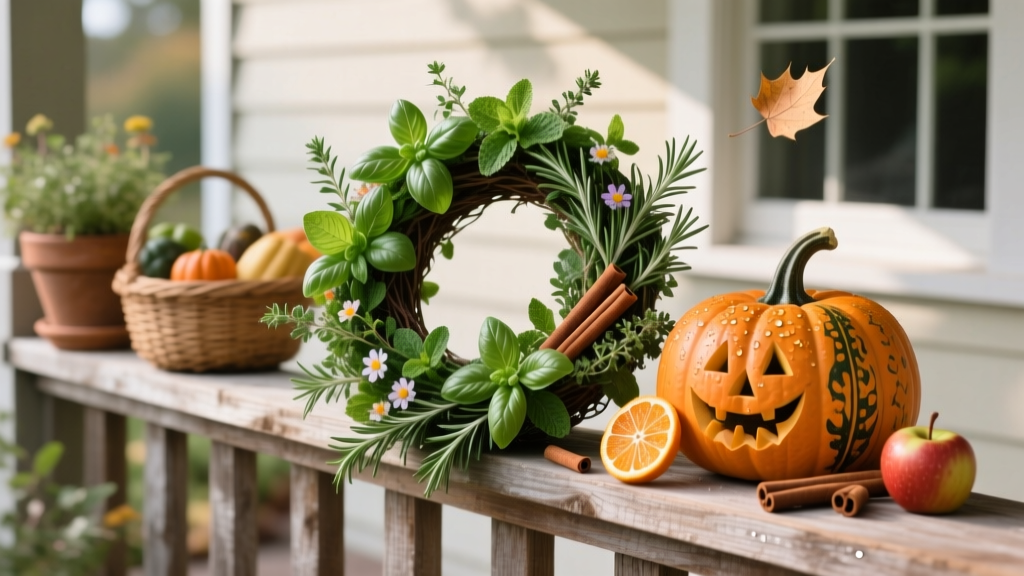
Edible Porch Decor 2026: Spring Herb Wreaths & Fall Pumpkins
Anna KowalskiPublished
The 2026 Foodscaping Porch Revolution
Welcome to 2026, where the boundary between ornamental landscaping and productive gardening has completely dissolved. Front porches are no longer just staging areas for plastic decorations; they are the new frontier of edible landscaping and foodscaping. Today's homeowners are demanding that their seasonal decor serve a dual purpose: providing stunning curb appeal while offering fresh, organic ingredients for the kitchen. By integrating culinary herbs, edible flowers, and heirloom vegetables into your porch displays, you can create a living, breathing, and tasting landscape that transitions seamlessly from the bright blooms of spring to the rich, earthy harvest of autumn.
Crafting Your Living Edible Spring Wreath
Forget the dried, lifeless wreaths of the past. The 2026 trend in spring porch decor focuses on "living" or fresh-cut edible wreaths that release aromatic oils into the spring breeze and can be harvested for culinary use as they dry. A well-constructed herb wreath not only welcomes guests with the scent of a Mediterranean garden but also serves as a functional pantry item.
Selecting Your Edible Botanicals
The foundation of a durable, edible spring wreath relies on woody herbs that hold their shape and dry beautifully. According to experts at the University of Wisconsin-Madison Extension, rosemary is exceptionally resilient and retains its potent flavor long after being cut. Combine Rosmarinus officinalis (Rosemary) with Thymus vulgaris (English Thyme) and Salvia officinalis (Culinary Sage). To introduce vibrant spring colors, weave in edible flowers. The University of Minnesota Extension highly recommends incorporating Viola tricolor (Pansies) and Borago officinalis (Borage) for their striking hues and safe, peppery-to-sweet flavor profiles, which are perfect for spring salads and cocktail garnishes.
Assembly and Wiring Techniques
To build your wreath, start with a natural willow or grapevine base (14 to 16 inches in diameter). Avoid floral foam, as it is non-biodegradable and unsuitable for edibles. Instead, use 22-gauge paddle wire to secure small bundles of herbs. Create "posies" consisting of three sprigs of rosemary, two sprigs of thyme, and a single sage leaf. Bind these posies tightly to the base, overlapping each new bundle over the stems of the previous one to hide the wiring. Tuck fresh borage and pansies into the gaps. Hang the wreath in a shaded, well-ventilated area of your porch. Over the next three weeks, the herbs will naturally dry on the frame, allowing you to simply snip off what you need for roasted potatoes or spring focaccia.
Designing a Culinary Fall Pumpkin and Greens Display
As the autumn chill sets in, the porch transitions from light, airy herbs to the grounding, hearty aesthetics of fall foodscaping. In 2026, the standard orange carving pumpkin has been entirely overshadowed by heirloom culinary varieties and dramatic edible companion plants. Your fall porch display should look like a masterpiece from a French potager garden.
Choosing Heirloom Culinary Pumpkins
For a stunning and delicious fall display, source heirloom pumpkins that offer unique textures, colors, and superior flavor. The Old Farmer's Almanac notes that culinary pumpkins generally have denser, sweeter flesh and thicker skin, making them ideal for both long-lasting porch displays and autumn baking. Top varieties for your 2026 display include:
- Rouge Vif d'Etampes (Cinderella Pumpkin): Features a deeply lobed, vibrant reddish-orange rind that looks spectacular stacked on porch steps.
- Jarrahdale: A striking blue-gray pumpkin with a flattened top, perfect for serving as a natural, edible bowl for autumn soups.
- Musquée de Provence: A large, deeply ribbed, mahogany-colored squash that tastes like butterscotch when roasted.
Cure these pumpkins in a warm, dry space for 10 days before placing them on your porch to ensure their skin hardens, preventing rot and extending their decorative lifespan well past Thanksgiving.
Companion Planting with Edible Greens
To elevate the pumpkins, surround them with large, frost-resistant containers filled with edible ornamental greens. 'Bright Lights' Swiss Chard offers a spectacular mix of neon pink, yellow, and orange stems that perfectly complement the blue and orange tones of the heirloom pumpkins. Pair this with 'Redbor' Kale, a deeply curled, purple-leafed brassica that actually sweetens after the first light frost. Plant these in a high-quality organic potting mix amended with compost, and use a smart drip irrigation system to keep the soil consistently moist without wetting the pumpkin rinds, which can invite fungal issues.
Seasonal Porch Transition Plan
Planning your foodscaping decor requires understanding the lifecycle and maintenance needs of your edible elements. Below is a comparison to help you manage your porch transition from spring to fall.
| Feature | Spring Edible Herb Wreath | Fall Culinary Pumpkin Display |
|---|---|---|
| Primary Elements | Rosemary, Thyme, Sage, Borage, Pansies | Jarrahdale Pumpkins, Swiss Chard, Kale |
| Setup Timing | Early to Mid-Spring (Post-Frost) | Early Autumn (Late September) |
| Maintenance | Misting every 2 days; keep out of direct hot sun | Keep pumpkins dry; water companion plants at soil level |
| Culinary Use | Dried herbs for roasting; fresh flowers for salads | Roasted pumpkin puree; sautéed chard and kale |
| Lifespan on Porch | 3-4 weeks (transitions to dried decor) | 6-8 weeks (until hard freeze) |
Smart Irrigation and Maintenance
Integrating edible plants into your porch decor means you must treat them as living crops rather than static props. In 2026, smart home integration is standard for porch planters. Utilize a Wi-Fi-enabled drip irrigation controller connected to a soaker hose woven through your fall kale and chard planters. This ensures that your edible greens receive precise hydration based on local weather forecasts, preventing the wilted look that ruins a display. For the pumpkins, never apply water directly to the rind. Instead, place them on elevated wooden pallets or slate tiles to ensure airflow underneath, preventing the soft spots that occur when decorative squash sit on damp porch decking.
Harvesting Your Decor
The ultimate reward of edible landscaping is the harvest. When the fall season winds down and a hard freeze is imminent, it is time to dismantle the display and head to the kitchen. Halve the Jarrahdale pumpkins, scoop out the seeds for roasting, and bake the flesh to create a rich, velvety puree for pies and savory bisques. Harvest the outer leaves of the Swiss chard and kale first, allowing the center to continue producing if you move the pots to a sheltered greenhouse or sunroom. By treating your seasonal porch decor as an extension of your garden, you embrace the true spirit of 2026 foodscaping—where beauty, sustainability, and culinary excellence meet right at your front door.
