Home & Garden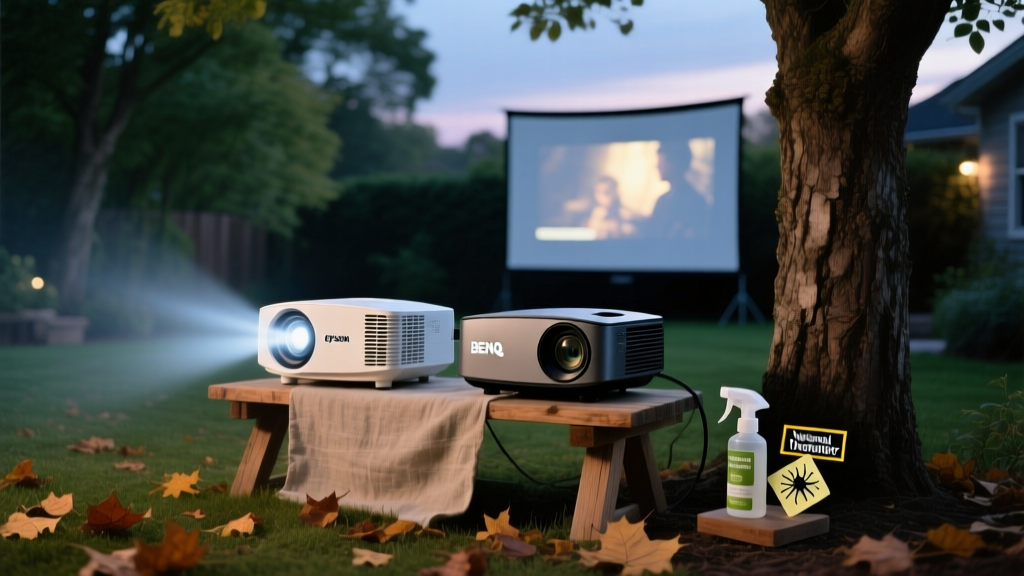
2026 Epson vs BenQ Projectors: Lumens & Webworm Control
Lisa ThompsonPublished
The Ultimate Backyard Cinema: Why Lumens and Landscaping Matter in 2026
As homeowners continue to blur the lines between indoor luxury and outdoor living, the backyard cinema has evolved from a novelty to a staple of modern landscape design. In 2026, achieving a pristine viewing experience involves much more than simply purchasing the latest audio-visual gear. It requires a deep, integrated understanding of your garden's ecosystem. Today, we are tackling a highly specific but crucial intersection of home technology and landscape maintenance: the 2026 lumen comparison between Epson and BenQ outdoor projectors, viewed through the lens of tree webworm control.
As a landscape and pest management expert, I frequently see homeowners invest thousands of dollars into high-end outdoor projection setups, only to have their movie nights ruined by a severe fall webworm infestation in the very trees they use to mount their screens. Balancing raw projector brightness with ecological pest management is the key to a flawless outdoor entertainment space this year.
The 2026 Projector Showdown: Epson vs. BenQ Lumens
When setting up an outdoor theater, ambient light rejection and raw brightness are your best friends. Twilight viewing requires a minimum of 3,000 lumens to maintain image integrity before the sun fully sets. In 2026, the battle for backyard dominance often comes down to two powerhouse brands: Epson and BenQ. Epson’s laser-driven EpiqVision Ultra series continues to push the boundaries of ultra-short-throw brightness, while BenQ’s specialized home and outdoor gaming models offer incredible color accuracy, high refresh rates, and versatile throw ratios.
Below is a detailed comparison of the top contenders for backyard cinemas in 2026, focusing on the lumen output required to cut through ambient dusk lighting—and, as we will discuss later, the visual interference caused by garden pests.
| Feature | Epson EpiqVision Ultra LS650 (2026) | BenQ X3100i (2026 Edition) |
|---|---|---|
| Brightness | 3,600 Lumens (Laser) | 3,300 Lumens (LED/Laser Hybrid) |
| Throw Ratio | Ultra-Short Throw (0.21:1) | Short Throw (0.69:1) |
| Contrast Ratio | 2,500,000:1 (Dynamic) | 600,000:1 (Dynamic) |
| Best For | Ambient light & patio setups | Deep blacks, gaming & tree-mounted screens |
| Estimated Price | $3,499 | $2,599 |
The Epson EpiqVision Ultra LS650 is a beast for ambient light, utilizing a laser light source that maintains its 3,600-lumen brightness for thousands of hours without the dimming associated with older lamp-based models. Conversely, the BenQ X3100i offers a more traditional short-throw setup, which is often preferred by DIY enthusiasts who mount their projector in a weatherproof enclosure further back in the garden, projecting toward a screen suspended between trees.
The Webworm and Moth Dilemma in Outdoor Cinemas
Why are we discussing tree webworms in a projector review? If you have ever tried to mount a 120-inch inflatable or fixed-frame projector screen between two mature pecan, mulberry, oak, or cherry trees in late summer or early fall, you have likely encountered the fall webworm (Hyphantria cunea). These caterpillars construct massive, unsightly silken tents in the outer canopy of deciduous trees.
Not only do these sprawling webs ruin the aesthetic of your carefully curated garden cinema, but the caterpillars also produce copious amounts of 'frass' (insect droppings) that will rain down on your outdoor furniture, projector lenses, and guests. According to the University of Minnesota Extension, fall webworms can defoliate entire branches and create a significant nuisance in residential landscapes during the exact months—August through October—that outdoor movie nights are most popular.
Furthermore, the adult stage of the webworm is a moth. A high-lumen projector beam cutting through the twilight acts as an irresistible beacon, drawing swarms of adult moths directly through your movie's focal plane. The 3,600 lumens of the Epson or the 3,300 lumens of the BenQ will illuminate every single insect that flies through the beam, creating distracting, giant shadows that ruin the immersion of your film.
Tree Web Worm Control Strategies for Your Viewing Area
To protect your investment in a 2026 Epson or BenQ projector and ensure a pest-free viewing experience, you must implement a proactive tree webworm control strategy. Here are the most effective, eco-friendly methods to keep your canopy clear.
1. Mechanical Removal and Canopy Pruning
The most immediate way to clear your screen's backdrop is physical removal. Fall webworm tents are typically located at the very ends of branches. Using a telescoping pole pruner, you can easily snip off the infested branch tips without causing long-term damage to the tree's overall structure. Always cut just outside the branch collar to promote rapid healing. Do not attempt to burn the webs out with torches; this is highly dangerous, especially near dry summer foliage and expensive outdoor AV equipment. Dispose of the pruned webs in sealed yard waste bags to prevent the caterpillars from migrating back into your garden.
2. Biological Controls: The Power of Btk
For larger trees where pruning is impossible, biological insecticides are your best defense. Bacillus thuringiensis var. kurstaki (Btk) is a naturally occurring soil bacterium that specifically targets the digestive systems of caterpillars. When the webworms ingest leaves treated with Btk, they stop feeding and die within a few days. The Environmental Protection Agency (EPA) notes that Btk is highly targeted and safe for use around humans, pets, birds, and beneficial pollinators like bees, making it the perfect choice for a backyard entertainment zone where guests will be congregating.
Application Timing: Btk must be applied when the caterpillars are still small and actively feeding inside their webs. Spray the foliage thoroughly in the late evening. This not only ensures the leaves are coated for the next morning's feeding, but it also prevents the spray mist from interfering with your projector's optics or your guests' evening activities.
3. Botanical Oils and Dormant Treatments
If you are planning your outdoor cinema setup for the following year, preventative measures are key. Applying horticultural oils or Neem oil during the tree's dormant season (late winter to early spring) can smother overwintering insect eggs. While this won't help an active infestation in September, it drastically reduces the initial population hatch in the spring, leading to a much cleaner canopy by the time you roll out your projector screen in late summer.
Optimizing Screen Placement Away from Infested Canopies
Even with an aggressive webworm control strategy, relying on tree-mounted screens is a gamble in regions prone to heavy Hyphantria cunea outbreaks. The Texas A&M Forest Service highlights that fall webworms have over 100 host species, meaning almost any deciduous tree in your yard could become a target.
To mitigate both the webworm issue and the 'moth beacon' effect caused by high-lumen projectors, consider the following setup optimizations for your 2026 backyard theater:
- Utilize ALR Screens: Ambient Light Rejecting (ALR) screens feature microscopic optical layers that reflect light only toward the viewers' eyes while rejecting light from other angles. This drastically reduces the upward and outward light scatter that attracts moths into the projector beam.
- Freestanding Frames: Instead of tying your screen to tree trunks, invest in a heavy-duty, freestanding aluminum frame. Position it in an open area of the lawn, at least 15 feet away from the drip line of any host trees. This keeps the screen clear of falling frass and positions the projector beam away from the dense foliage where moths congregate.
- Ultra-Short Throw Advantage: If you opt for the Epson EpiqVision Ultra LS650, its ultra-short throw ratio allows you to place the projector on a patio console just inches from the screen. This keeps the light beam entirely out of the tree canopy, eliminating the 'shadow puppet' effect caused by insects flying through a long-throw beam.
Conclusion
Creating the ultimate outdoor movie experience in 2026 requires a holistic approach that bridges cutting-edge technology with smart landscape management. Whether you choose the blistering 3,600-lumen laser output of the Epson EpiqVision Ultra or the deep-contrast, gaming-ready BenQ X3100i, your projector is only as good as the environment it operates in. By understanding the life cycle of the fall webworm, implementing targeted Btk treatments, and strategically placing your screen away from infested canopies, you can ensure that the only drama in your backyard this season is the one playing on the screen.
