Home & Garden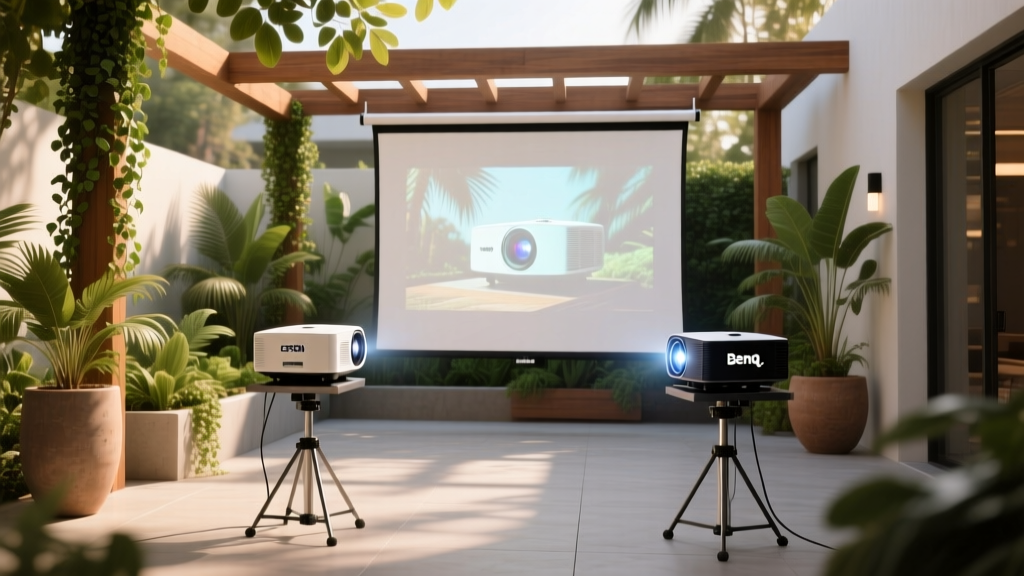
2026 Outdoor Cinema: Epson vs BenQ Projectors For Container Gardens
Sarah ChenPublished
The 2026 Backyard Evolution: Merging Container Gardening with Home Theater
The concept of the outdoor living space has undergone a radical transformation as we settle into 2026. No longer content with a simple patio set and a fire pit, homeowners are demanding immersive, multi-sensory environments. One of the most exciting trends bridging horticulture and technology is the 'Garden Cinema'—a modular outdoor movie setup seamlessly integrated into a lush, meticulously planned container garden. But when you are surrounded by the dappled shadows of potted olive trees and the ambient glow of smart solar path lights, choosing the right projector becomes a complex battle of lumens, contrast, and color accuracy. Specifically, the debate between Epson’s 3LCD technology and BenQ’s DLP engines takes on new dimensions when your viewing environment is a living, breathing garden.
Epson vs. BenQ: The Lumen Showdown in the Garden
When setting up an outdoor cinema, ambient light is your biggest adversary. Unlike a controlled indoor basement, your patio is subject to moonlight, neighbor's security floods, and your own decorative garden lighting. This is where the Epson versus BenQ lumen comparison becomes critical for your 2026 setup. Epson’s flagship portable and outdoor-rated models utilize 3LCD technology. As detailed in the comprehensive guides at Projector Central, 3LCD projectors project white light and color light at equal brightness. This means that when your warm-white garden string lights are bleeding slightly onto your inflatable or tensioned screen, an Epson projector will maintain vibrant, punchy colors that cut through the ambient light pollution.
On the other hand, BenQ’s premium outdoor and portable models rely on DLP (Digital Light Processing) technology. While BenQ’s color brightness might occasionally trail its white brightness in high-lumen modes, DLP engines are renowned for their superior contrast ratios and deep, inky blacks. If your container garden setup involves creating a secluded, heavily shaded 'alcove' using tall potted bamboo and hanging ferns to block out external light sources, a BenQ projector will deliver a cinematic, moody image that makes dark, shadow-heavy movie scenes truly pop. Independent testing from RTINGS consistently highlights how DLP contrast ratios excel in dimly lit, controlled outdoor environments.
2026 Projector & Garden Integration Comparison
| Feature | Epson (3LCD Tech) | BenQ (DLP Tech) |
|---|---|---|
| White Brightness | High (Excellent for dusk) | Moderate-High |
| Color Brightness | Equal to White Brightness | Often Lower than White |
| Contrast Ratio | Moderate | High (Deep, Cinematic Blacks) |
| Best Garden Scenario | Brightly lit patios with solar path lights and fire pits | Shaded, moonlit garden alcoves with heavy foliage buffers |
| Recommended Pot Pairing | Low-profile succulents and wide ornamental grasses | Tall clumping bamboo and hanging ferns for light-blocking |
Architectural Container Gardening for A/V Setup
To truly marry the technology with nature, we must look at architectural container gardening. In 2026, planters are no longer just vessels for soil; they are structural elements of your outdoor hardscape. You can use large, heavy-duty containers to solve common outdoor A/V problems: wind buffering, cable management, and projector elevation.
The Weighted Planter Pedestal Technique
Portable projectors need a stable, level surface, but traditional outdoor side tables are prone to wobbling and wind-tipping. Instead, source a 24-inch diameter cast stone or thick fiberglass planter. Rather than filling it entirely with potting mix, fill the bottom two-thirds with dense gravel and sand, cap it with a sealed, weather-treated wooden disc, and use the top six inches for a shallow-rooted, spill-proof succulent arrangement like Sedum. When constructing this top layer, the soil recipe is crucial. Use a mix of 50% cactus potting soil, 30% perlite, and 20% fine pumice. This ensures rapid drainage, preventing water from pooling near the wooden cap and warping the surface where your expensive 2026 projector sits. This creates an immovable, weather-resistant projector pedestal that looks like a premium piece of garden decor.
Wind Buffering and Cable Management
For wind and light buffering, flank your projector screen with large terracotta half-barrels planted with *Fargesia* (clumping bamboo) or tall ornamental grasses like *Miscanthus sinensis*. These potted plants act as natural acoustic baffles, absorbing the echo of the projector's external speakers against your home's siding, while simultaneously blocking intrusive streetlights. Furthermore, running flat, outdoor-rated HDMI and power cables through the drainage holes of lined, soil-less rectangular trough planters allows you to hide wiring beneath a layer of decorative mulch or creeping thyme, keeping your garden cinema safe from tripping hazards.
Screen Placement and Micro-Climates
Regarding screen placement, never position your tensioned or inflatable screen directly over a bed of moisture-retaining container plants. The micro-climate created by a cluster of potted ferns and caladiums can raise the local humidity significantly, potentially causing condensation on your projector lens or screen surface. Always leave a 3-foot buffer zone of hardscaping, gravel, or artificial turf between your densest container clusters and the screen surface to ensure optimal airflow and image clarity.
Curating the Night Garden: Sensory Plant Pairings
A true Garden Cinema engages more than just the eyes and ears; it should engage the sense of smell. When selecting container plants to surround your seating area, prioritize night-blooming and evening-fragrant varieties that release their scents just as the sun goes down and the projector fires up. Potted Night-Blooming Jasmine (*Cestrum nocturnum*) and Angel’s Trumpet (*Brugmansia*) are spectacular choices for large, movable containers. Place these heavy pots on rolling caddies so you can position them upwind of your seating area during movie nights. For expert guidance on managing the soil drainage and overwintering requirements of these heavy-feeding tropicals in containers, the resources provided by Penn State Extension are invaluable for ensuring your plants survive the off-season.
Avoid placing pollen-heavy plants, such as certain lilies or flowering alliums, directly adjacent to the projector’s intake fans. In 2026, projector cooling systems are highly efficient, but they will still pull in surrounding air; a clogged filter full of garden pollen will cause the device to overheat and dim its lumen output mid-movie. Stick to foliage-heavy, low-pollen plants like Hostas, Ferns, and Coleus near the tech, and save the fragrant bloomers for the perimeter of your seating zone.
Final Thoughts on Your 2026 Garden Cinema
Ultimately, building an outdoor movie setup in 2026 is about harmony. If your container garden is an open, brightly lit patio space with solar pathway lights and a fire pit, the high color lumens of an Epson 3LCD projector will ensure your image remains vibrant and visible. If you prefer a secluded, moonlit botanical hideaway framed by towering potted grasses and deep shadows, the rich contrast of a BenQ DLP projector will provide an unparalleled cinematic experience. By using your containers not just as plant holders, but as structural pedestals, windbreaks, and cable-hiding solutions, you elevate your backyard into a masterclass of modern outdoor living.
