Home & Garden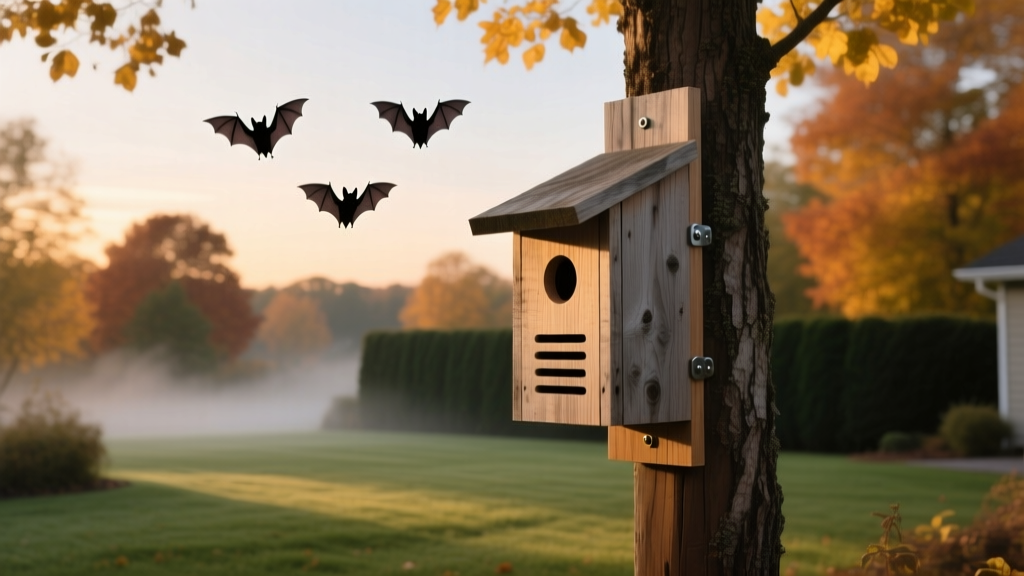
Bat House Height & Orientation for Mosquito Control: Fall 2026
James MillerPublished
Why Fall 2026 is the Ultimate Season for Bat House Installation
When homeowners think of fall lawn care, the mind immediately jumps to core aeration, overseeding, leaf removal, and winterizing irrigation systems. However, as we navigate the 2026 landscaping season, eco-friendly pest management has become a cornerstone of comprehensive autumn yard preparation. Installing a bat house in the fall is one of the most effective, natural ways to bridge the gap between seasonal lawn maintenance and long-term outdoor living comfort. But simply buying a kit and nailing it to the nearest tree will not yield results. To successfully attract these nocturnal pest controllers, you must understand the precise science of bat house height and orientation for mosquito control.
Why install in the fall rather than the spring? According to wildlife experts at Bat Conservation International, mounting your bat house in the autumn allows the exterior materials to weather over the winter. This natural weathering process removes the scent of human handling and fresh-cut lumber, making the structure smell like a natural part of the environment by the time bats begin scouting for spring roosts in early 2026. Furthermore, integrating this project into your fall lawn care schedule ensures the surrounding landscape is properly prepped, trimmed, and ready to support a thriving insectivore population.
The Science of Bats and Natural Mosquito Control
Before diving into the physical installation metrics, it is crucial to understand the biological return on investment. As mosquito-borne illnesses continue to influence outdoor living trends in 2026, homeowners are increasingly turning away from harsh chemical foggers and toward Integrated Pest Management (IPM). The EPA's guidelines on Integrated Pest Management heavily emphasize biological controls—using natural predators to manage pest populations.
A single little brown bat (Myotis lucifugus) can consume up to 1,000 mosquito-sized insects in a single hour. A well-occupied maternity colony house can host dozens of these mammals, effectively eliminating millions of nuisance insects over the course of the spring and summer seasons. Unlike chemical barriers that wash away after a heavy rain, a properly installed bat house provides continuous, autonomous pest control that actively patrols your yard from dusk until dawn.
Determining the Perfect Bat House Height
The most common reason bat houses fail to attract residents is improper mounting height. Bats are not like bluebirds; they do not want to be close to the ground where terrestrial predators, such as domestic cats or raccoons, can easily reach them. Furthermore, bats require a specific flight trajectory to enter and exit their roosts safely.
For optimal occupancy, your bat house must be mounted between 12 and 20 feet above the ground. This height provides a critical safety buffer from predators while keeping the house accessible for maintenance and observation. However, height is only half the equation. You must also account for the "drop zone." Bats cannot take flight from a standstill like a hummingbird; they need to drop out of the bottom of the house and catch the air. Therefore, you must ensure a clear, unobstructed vertical drop zone of at least 20 feet directly beneath the bat house. Do not mount the house directly over dense shrubbery, tall ornamental grasses, or low-hanging tree branches that could impede their flight path or harbor ambush predators.
Correct Orientation and Sun Exposure Requirements
While height keeps bats safe, orientation keeps them warm. Bats are mammals, and maternity colonies require high internal temperatures to successfully gestate and raise their pups. The ideal internal temperature for a bat house ranges between 85°F and 100°F during the summer months. To achieve this without artificial heating, solar gain is absolutely mandatory.
In the Northern Hemisphere, your bat house should face South or Southeast. A southern orientation ensures the house receives maximum solar exposure throughout the day. The structure must receive a minimum of 6 to 8 hours of direct sunlight daily. If your yard is heavily shaded by mature oak or maple trees, you may need to mount the house on a freestanding metal pole in the center of your sunniest garden bed or lawn area rather than attaching it to the side of your home or a tree trunk. According to research published by Penn State Extension, houses mounted on poles in direct sunlight have a significantly higher occupancy rate than those mounted on buildings or trees, primarily because poles allow for precise directional orientation and unobstructed solar access.
Integration with Your Fall Lawn Care Strategy
Installing the house is only step one; the surrounding environment must also be welcoming. As you execute your fall lawn care routines, keep the bat house in mind. First, avoid using broad-spectrum synthetic pesticides or harsh chemical fertilizers near the bat house. If you eliminate the insect population in your yard, the bats will simply move to a neighbor's property where food is abundant. Embrace organic fall lawn care practices, such as applying compost top-dressings and utilizing beneficial nematodes for grub control, which will not harm the adult flying insects that bats rely on.
Additionally, consider your smart home outdoor lighting setup. Bats are highly sensitive to artificial light, and bright LED security lamps can deter them from approaching their roost. If you utilize smart lighting systems, program your fall and winter automation schedules to ensure that any fixtures within 50 feet of the bat house are either turned off, dimmed, or equipped with warm-colored, low-lumen bulbs that do not disrupt nocturnal wildlife patterns.
Bat House Installation Quick Reference Chart
| Installation Metric | Optimal Specification | Why It Matters |
|---|---|---|
| Mounting Height | 12 to 20 feet | Protects against terrestrial predators and provides thermal buffering from cold ground air. |
| Orientation | South or Southeast | Maximizes solar gain to maintain the required 85°F - 100°F internal roosting temperature. |
| Sun Exposure | 6 to 8 hours direct sun | Ensures adequate warmth for maternity colonies to successfully raise pups. |
| Drop Zone Clearance | 20 feet unobstructed | Allows bats to safely drop and catch flight without hitting branches or shrubs. |
| Mounting Structure | Freestanding metal pole | Offers the best 360-degree orientation control and prevents tree-climbing predators. |
Common Mistakes to Avoid in 2026
Even with the best intentions, many homeowners make critical errors during installation. Never mount a bat house directly on a tree trunk if the trunk is heavily shaded or if the tree is prone to attracting woodpeckers, which can destroy the roost. Never paint the interior of the bat house or use toxic wood preservatives; bats have highly sensitive respiratory systems and require rough, untreated wood to cling to. Finally, do not mount the house near high-traffic areas, loud HVAC units, or heavily used outdoor entertainment patios. While bats are generally quiet, the guano (droppings) will accumulate directly beneath the house, and you do not want this falling onto your outdoor dining furniture or high-traffic walkways.
Conclusion
Integrating a bat house into your fall lawn care and landscaping routine is a forward-thinking investment in your property's ecological balance. By meticulously calculating the correct height, ensuring a southern orientation, and aligning your yard maintenance with eco-friendly principles, you set the stage for a highly successful mosquito control strategy. As you wrap up your 2026 autumn yard work, take an afternoon to mount your bat house properly, and look forward to a dramatically more comfortable, bite-free outdoor living experience next year.
