Gardening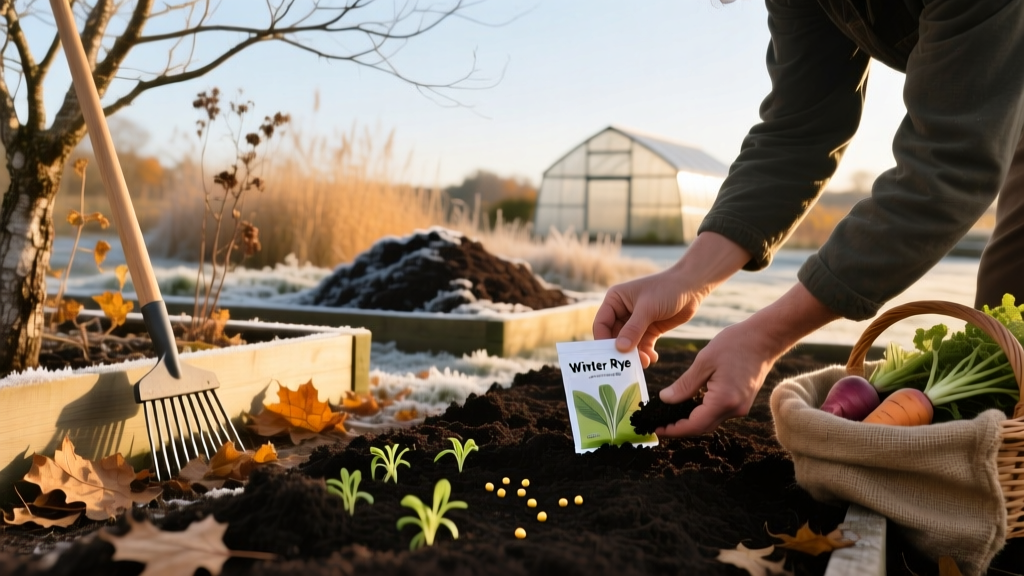
Fall Garden Cleanup and Winter Cover Cropping Guide
Robert HayesPublished
Introduction to Fall Garden Maintenance
As the autumn air turns crisp and the final harvests of tomatoes, peppers, and squash are brought indoors, many gardeners mistakenly believe their work is done until spring. However, from the perspective of seasonal maintenance and long-term soil health, fall is arguably the most critical season in the gardening calendar. The actions you take between September and November dictate the vitality, disease resistance, and yield potential of your garden for the following year. This comprehensive guide will walk you through the essential steps of fall garden cleanup, strategic soil amendment, and the implementation of winter cover crops to build resilient, biologically active soil.
Step 1: Strategic Fall Cleanup for Disease and Pest Control
Leaving decaying plant matter in your vegetable beds over the winter is an invitation for pathogens and overwintering pests. Diseases such as early blight (Alternaria solani) and powdery mildew survive the winter on infected plant debris. When spring arrives, the fungal spores are ready to immediately infect new, vulnerable growth.
Targeted Debris Removal
Focus your cleanup efforts on the Solanaceae (tomatoes, peppers, eggplants) and Cucurbitaceae (squash, cucumbers, melons) families, as these are the most prone to harboring stubborn soil-borne and foliar diseases. Uproot the entire plant, including the root ball. If the plant material shows any signs of disease, do not add it to your home compost pile. Most home compost bins do not reach the sustained 140 to 160 degrees Fahrenheit required to kill hardy fungal spores and nematode eggs. Instead, bag the diseased material and send it to a municipal yard waste facility or dispose of it in the trash.
Tool Sanitation Protocol
Disease transmission often occurs via contaminated pruners and shovels. After working with diseased plants, sanitize your tools using a solution of 1 part household bleach to 9 parts water, or wipe them down with 70 percent isopropyl alcohol. This simple, low-cost maintenance step prevents the mechanical transfer of bacterial spot and viral infections from one bed to another.
Step 2: Soil Testing and Targeted Amendments
Fall is the optimal time to test your soil and apply slow-acting amendments. Soil pH dictates nutrient availability; if your pH is too low (acidic), plants cannot access essential macronutrients like phosphorus, regardless of how much fertilizer you apply.
Submit a soil sample to your local university extension office or a private lab like Logan Labs (costing approximately $20 to $30 per sample). If your results indicate a need to raise the pH, apply a high-quality calcitic or dolomitic lime, such as Espoma Organic Garden Lime (typically $15 for a 40-pound bag). Because limestone takes three to six months to fully react and alter the soil chemistry, applying it in the fall ensures your soil pH is perfectly balanced by the time spring planting arrives. Apply at the rate recommended by your soil test, usually between 5 and 10 pounds per 100 square feet, and lightly incorporate it into the top two inches of soil.
Step 3: Selecting and Sowing Winter Cover Crops
Instead of leaving your soil bare and vulnerable to winter erosion, plant a cover crop. Often referred to as green manure, cover crops protect the soil structure, suppress winter weeds, and feed the subterranean food web. Living roots exude sugars that sustain mycorrhizal fungi and beneficial bacteria during the cold months, preventing the soil biology from collapsing.
Cover Crop Comparison Chart
| Cover Crop | Plant Family | Seeding Rate (per 100 sq ft) | Frost Tolerance | Primary Benefit | Approx. Cost |
|---|---|---|---|---|---|
| Cereal Rye | Grass | 4 oz | Hardy to -30 F | Erosion control, massive biomass | $4.00/lb |
| Crimson Clover | Legume | 2 oz | Hardy to -10 F | Nitrogen fixation, pollinator forage | $8.00/lb |
| Daikon Radish | Brassica | 1 oz | Kills at 20 F | Bio-drilling, compaction relief | $12.00/lb |
| Winter Peas | Legume | 3 oz | Hardy to 10 F | Nitrogen fixation, tender mulch | $6.00/lb |
Deep Dive: Cereal Rye and Crimson Clover Mix
For a balanced approach, many experienced gardeners use a mix of Cereal Rye and Crimson Clover. The rye provides a robust, fibrous root system that holds the soil in place and scavenges leftover nitrogen, preventing it from leaching into groundwater. Meanwhile, the crimson clover hosts rhizobia bacteria in its root nodules, pulling atmospheric nitrogen into the soil. Sow this mix about four weeks before your average first fall frost date. Broadcast the seed evenly over raked soil and lightly water to ensure good seed-to-soil contact.
Deep Dive: Daikon Radish for Compaction
If your garden suffers from heavy clay or hardpan soil, Daikon radishes are an excellent choice. As they grow, their thick taproots drill deep into compacted layers. When winter temperatures drop to around 20 degrees Fahrenheit, the radishes will naturally winter-kill. The large roots will then rot in place over the spring, leaving behind deep, nutrient-rich channels that improve drainage and allow earthworms to migrate deeper into the soil profile.
Step 4: Spring Termination and Soil Integration
The maintenance cycle concludes in early spring when you must terminate the cover crop before it goes to seed. If you are practicing no-till gardening, avoid using a rototiller, which can destroy soil aggregates and bring dormant weed seeds to the surface.
Instead, use the occultation method. About three weeks before you plan to plant your spring crops, mow or weed-whack the cover crop down to the soil surface. Immediately cover the bed with a heavy, UV-treated silage tarp (a 6-mil black-and-white tarp costs roughly $150 for a large roll and lasts for years). Weigh down the edges with sandbags or rocks. The tarp will block sunlight, effectively smothering the cover crop and accelerating its decomposition via soil microbes. By the time you remove the tarp in the spring, the biomass will have broken down into a rich, dark layer of organic matter, and the bed will be completely weed-free and ready for transplants.
Protecting Perennials and Overwintering Crops
While annual beds are put to bed with cover crops, perennial crops like asparagus, rhubarb, and artichokes require a different seasonal maintenance approach. After the first hard frost kills back the top growth of asparagus ferns, cut the stalks down to two inches above the soil line. Apply a thick, four-inch layer of seed-free straw mulch (approximately $8 to $12 per bale) to insulate the crowns against freeze-thaw cycles that can heave the roots out of the ground. Avoid using fallen tree leaves as mulch in the vegetable garden, as they can mat together, repel water, and harbor overwintering slug eggs.
Authoritative Guidelines and Conclusion
The transition from autumn harvest to winter dormancy is a vital period for soil regeneration. According to the Cornell University Cooperative Extension, maintaining continuous living roots in the soil through the use of cover crops is one of the most effective ways to increase soil organic matter and improve water retention over time. By investing a few weekends in strategic cleanup, precise soil amendment, and thoughtful cover crop selection, you are not just putting your garden to sleep; you are actively building a robust, disease-suppressive ecosystem that will yield healthier, more productive plants in the seasons to come.
Seasonal Maintenance Checklist
- Remove and dispose of all diseased Solanaceae and Cucurbitaceae plant debris.
- Sanitize pruners and shovels with a 10 percent bleach solution.
- Conduct a comprehensive soil pH and nutrient test.
- Apply lime or sulfur based on lab recommendations.
- Sow cover crops 4 weeks before the first expected frost.
- Mulch perennial crowns with 4 inches of clean straw.
