
Landscaping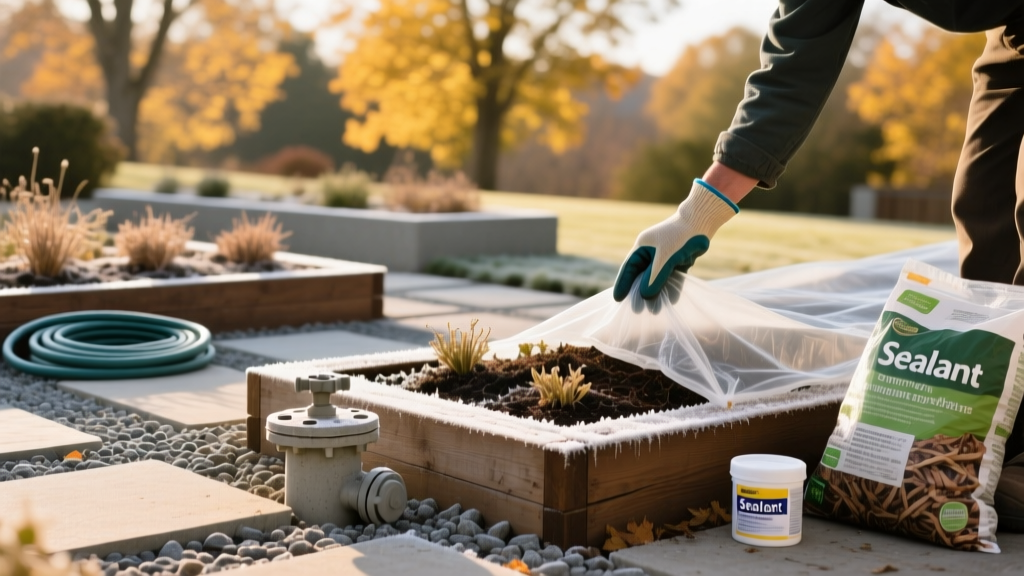
The Ultimate Fall Hardscape and Garden Bed Winterization
James MillerPublished
Why Winterization Matters for Your Landscape
As autumn leaves begin to fall and temperatures dip, homeowners often focus solely on lawn care, neglecting the hardscapes and garden beds that form the backbone of their landscape design. Winter weather—specifically the freeze-thaw cycle—can wreak havoc on patios, retaining walls, and unprotected plant roots. Proper fall winterization is not just about aesthetics; it is a critical maintenance step that prevents costly structural damage and ensures your landscape thrives when spring arrives. Whether you have a sprawling natural stone patio or delicate perennial beds, taking proactive measures in late October and early November will save you thousands of dollars in repair and replacement costs.
The Science of Freeze-Thaw Damage
To understand why winterization is vital, you must understand the mechanics of water. When water freezes, it expands by approximately 9%. In a hardscape environment, moisture seeps into the microscopic pores of concrete pavers, natural stone, and the joints of retaining walls. When the temperature drops below 32°F (0°C), this trapped water expands, creating immense internal pressure. Over the course of a winter with dozens of freeze-thaw cycles, this pressure causes spalling (flaking of the stone surface), cracking, and joint degradation. In garden beds, the same expanding ice lenses in the soil cause 'frost heave,' which literally pushes shallow-rooted perennials and newly planted shrubs out of the ground, exposing their root systems to freezing air and desiccating winds.
Step-by-Step Hardscape Winterization
Cleaning and Re-Sanding Pavers
Before applying any protective sealants, your hardscapes must be meticulously cleaned. Use a pressure washer with a wide-angle (40-degree) nozzle tip, keeping the pressure under 2,000 PSI to avoid stripping the existing joint sand. Remove all organic debris, moss, and efflorescence (white salt deposits). Once the pavers are completely dry, inspect the joints. If the sand has washed out, refill them with polymeric sand. Unlike traditional masonry sand, polymeric sand contains binding agents that harden when activated with a light mist of water, creating a flexible barrier that resists weed growth and prevents water from pooling beneath the paver base.
Applying Penetrating Sealers
Not all sealers are created equal. For winter protection, avoid film-forming acrylic sealers that can trap moisture and turn milky white if applied incorrectly. Instead, opt for a siloxane-based penetrating sealer (such as SureBond or Techniseal). Siloxane molecules are small enough to penetrate deep into the pores of concrete and stone, where they chemically bond and create a hydrophobic barrier. This prevents water from entering the paver while still allowing the material to 'breathe' and release trapped moisture vapor. Apply the sealer when daytime temperatures are consistently above 50°F and no rain is forecasted for at least 24 hours.
Inspecting Retaining Walls and Edging
Retaining walls are highly susceptible to hydrostatic pressure. During the fall, clear all debris from the weep holes at the base of the wall. These holes are designed to let trapped groundwater escape; if they are clogged with soil or leaves, freezing water will build up behind the wall, potentially causing it to bulge or collapse. Use a stiff wire brush and a wet/dry shop vacuum to clear the weep holes and the gravel drainage swale at the top of the wall.
Garden Bed Insulation and Frost Heave Prevention
Mulching Best Practices
Mulch is your primary defense against frost heave and root desiccation. However, timing and material selection are crucial. According to Penn State Extension, applying mulch too early in the fall can trap excess heat in the soil, delaying plant dormancy and making them vulnerable to early freeze damage. Wait until after the first hard freeze (when the soil temperature drops to around 32°F) to apply your winter mulch. This ensures the ground remains consistently frozen, preventing the heaving cycle.
Use 3 to 4 inches of coarse organic mulch, such as shredded hardwood, pine bark, or straw. Avoid fine mulches that can compact and suffocate roots. Crucially, maintain a 'mulch-free zone' of at least 3 inches around the base of tree trunks and shrub stems. Piling mulch against the bark (often called 'volcano mulching') invites rot, fungal diseases, and rodent damage, as voles will tunnel into the warm mulch to chew on the bark during winter.
Pruning Perennials and Shrubs
While it is tempting to cut back all dead foliage in the fall, many perennials (such as coneflowers, black-eyed Susans, and ornamental grasses) provide vital winter interest and food sources for local wildlife. Leave these standing until early spring. For shrubs, limit fall pruning to the removal of dead, diseased, or crossing branches. Avoid heavy pruning of spring-flowering shrubs like azaleas, lilacs, and forsythia, as you will be cutting off next year's flower buds.
Irrigation System Blowout Protocols
Leaving water in your irrigation lines is a guaranteed way to experience cracked PVC pipes and shattered sprinkler heads in the spring. The Environmental Protection Agency (EPA) strongly recommends winterizing irrigation systems before the first freeze. While manual drain valves work for simple systems, the most effective method for residential landscapes is the compressed air blowout.
- Shut off the main water supply to the irrigation system and drain the backflow preventer.
- Connect an air compressor capable of delivering at least 10 to 25 CFM (cubic feet per minute) to the system's blowout port.
- Regulate the pressure carefully. Never exceed 50 PSI for flexible polyethylene pipes, or 80 PSI for rigid PVC pipes, as high pressure can melt or shatter the fittings.
- Blow out each zone individually starting with the zone furthest from the compressor, running it until only a fine mist is emitted from the sprinkler heads.
Wrapping and Protecting Vulnerable Flora
Young trees with thin bark (such as maples, ash, and fruit trees) are highly susceptible to 'sunscald.' This occurs when the winter sun warms the bark on a cold day, stimulating cellular activity, followed by a rapid temperature drop at night that kills the active cells. To prevent this, wrap the trunks with white commercial tree wrap or plastic tree guards from the base up to the first major branches. Remove the wrap in early spring to prevent moisture buildup and insect infestation. For broadleaf evergreens like rhododendrons and boxwoods, apply an anti-desiccant spray (such as Wilt Stop) in late November. As noted by the University of Minnesota Extension, anti-desiccants coat the leaves in a thin polymer film, reducing moisture loss caused by harsh winter winds when the ground is frozen and roots cannot take up water.
Seasonal Landscaping Maintenance Cost Breakdown
Below is a structured comparison of the estimated costs and requirements for DIY winterization versus hiring a professional landscape contractor. Costs are based on an average 5,000 sq. ft. landscape.
| Winterization Task | Timing | Materials / Equipment Needed | Estimated DIY Cost | Pro Service Cost |
|---|---|---|---|---|
| Paver Cleaning & Sealing | Sept - Mid Oct | Siloxane Sealer, Polymeric Sand, Pressure Washer | $150 - $250 | $400 - $700 |
| Irrigation Blowout | Late Oct (pre-freeze) | Air Compressor (10+ CFM), Hose Fittings | $50 - $90 (rental) | $75 - $150 |
| Garden Bed Mulching | Nov (post hard-freeze) | Shredded Hardwood Mulch, Steel Rake | $100 - $160 | $300 - $500 |
| Tree Wrapping & Spraying | Nov - Early Dec | White Tree Wrap, Anti-desiccant Spray | $30 - $50 | $100 - $200 |
Conclusion
Winterizing your hardscapes and garden beds is an investment in the longevity and beauty of your property. By taking the time to seal pavers, clear retaining wall drainage, properly insulate garden beds, and blow out irrigation lines, you effectively shield your landscape from the destructive forces of winter. Plan your maintenance schedule early, monitor local frost dates, and utilize high-quality materials to ensure your outdoor spaces remain structurally sound and biologically vibrant for years to come.

