
Landscaping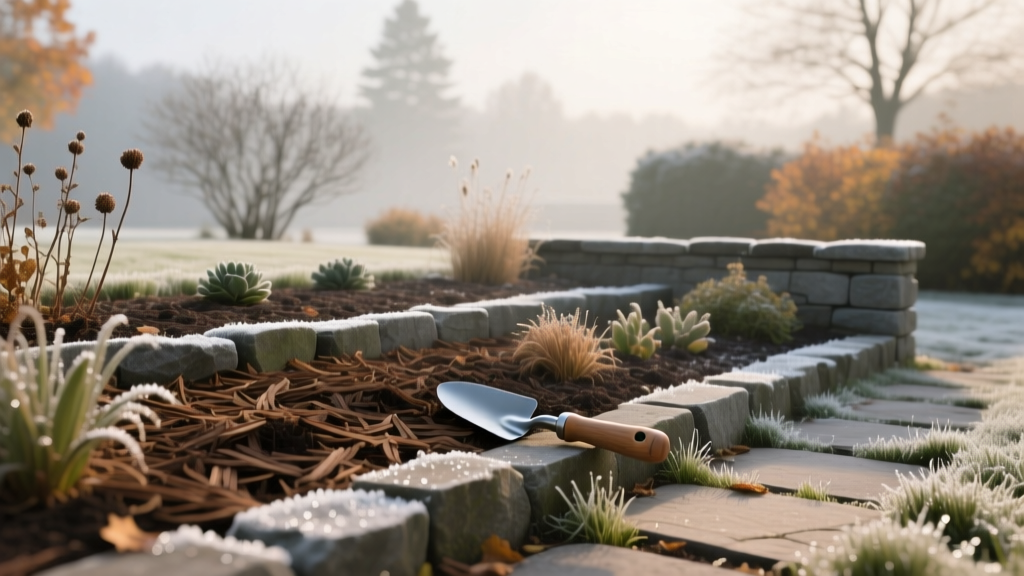
Complete Fall Hardscape Winterization and Garden Bed Prep
James MillerPublished
The Hidden Danger of Freeze-Thaw Cycles
As autumn leaves begin to fall and temperatures dip, homeowners often focus solely on lawn aeration and leaf removal. However, your hardscapes and garden beds are equally vulnerable to the impending winter weather. The primary enemy of outdoor landscapes in colder climates is the freeze-thaw cycle. When moisture penetrates the microscopic pores of concrete pavers, natural stone, and retaining wall blocks, it expands by up to 9% upon freezing. This immense hydraulic pressure causes spalling, cracking, and structural heaving.
Proper fall hardscape winterization and garden bed preparation are not just about aesthetics; they are critical structural maintenance tasks. By taking proactive steps in late October to mid-November, you can extend the lifespan of your patio, protect your retaining walls, and ensure your perennial beds emerge healthy in the spring. This comprehensive guide details the exact products, measurements, and techniques required to winterize your landscape effectively.
Step 1: Deep Cleaning Hardscapes Before the Freeze
Before applying any protective sealers or repairing joints, your hardscapes must be completely free of organic debris, dirt, and efflorescence (the white, powdery salt deposits left behind by evaporating water). Trapped organic matter holds moisture against the surface of the pavers, accelerating freeze-thaw damage and promoting mold growth.
Power Washing Techniques
Use a gas-powered pressure washer delivering between 2,000 and 3,000 PSI. Attach a 16-inch rotary surface cleaner rather than a standard wand; this ensures an even clean and prevents the 'zebra striping' effect that can etch into softer stones like sandstone or limestone. For stubborn moss or algae in the joints, apply a landscape-safe oxygen bleach solution (such as OxiClean Outdoor) and let it dwell for 15 minutes before rinsing. Avoid using muriatic acid or harsh chlorine bleach, as these can degrade the structural integrity of polymeric sand and harm surrounding dormant garden beds.
Step 2: Re-Sanding and Sealing Paver Patios
The joints between your pavers are the first line of defense against water infiltration and weed growth. Over the summer, foot traffic and rain can wash away jointing sand, leaving voids where water can pool and freeze.
Applying Polymeric Sand
According to guidelines from the Interlocking Concrete Pavement Institute (ICPI), maintaining proper joint sand is essential for interlocking pavement flexibility and drainage. If your joints are empty, refill them with high-quality polymeric sand, such as Techniseal Polymeric Sand or Alliance Gator Dust.
- Preparation: Sweep out old, degraded sand to a depth of at least 1/8 inch below the paver surface to allow room for the new sand.
- Application: Pour the polymeric sand over the dry pavers and sweep it into the joints using a stiff push broom.
- Compaction: Run a plate compactor over the patio to vibrate the sand deep into the joints, eliminating air pockets.
- Activation: Mist the surface lightly with a garden hose nozzle set to a 'shower' setting. Do not use a high-pressure stream, which will wash the polymers out of the joint. The sand will harden into a flexible, water-resistant barrier within 24 hours.
Applying Penetrating Sealers
Once the pavers are clean and the joints are filled, apply a penetrating silane/siloxane sealer. Unlike film-forming acrylics that can peel or turn yellow under UV exposure, penetrating sealers soak into the pores of the concrete or stone, creating a hydrophobic barrier that repels water while allowing the material to breathe. Products like Surebond SB-6000 or LastiSeal Concrete Sealer are industry standards. Apply using a low-pressure pump sprayer at a rate of approximately 150 square feet per gallon. Ensure daytime temperatures are consistently between 50°F and 80°F during application and curing.
Step 3: Winterizing Water Features and Drainage Systems
Standing water in landscape features is a guarantee for winter damage. Fountains, birdbaths, and integrated irrigation systems must be properly drained and winterized.
Irrigation Blowouts
The Environmental Protection Agency (EPA) strongly recommends winterizing irrigation systems to prevent pipe bursts. Hire a professional to perform an irrigation blowout using an air compressor. The compressor should deliver a high volume of air (CFM) at a strictly regulated pressure of 50 to 80 PSI. Exceeding 80 PSI can shatter PVC pipes and damage sprinkler head gears. Ensure all manual drain valves at the lowest points of your garden beds are left open throughout the winter.
Fountains and Waterfalls
Submersible pumps must be removed, cleaned of debris, and stored indoors in a bucket of water to prevent the internal seals from drying out and cracking. Drain the fountain basin completely. If the fountain is too heavy to move, cover it with a heavy-duty, UV-resistant fountain cover, securing it with bungee cords to prevent snow accumulation and ice damming inside the bowl.
Step 4: Preparing Garden Beds and Retaining Walls
Garden beds and retaining walls interact closely; the soil pressure and moisture levels in your beds directly impact the structural integrity of your hardscape walls.
Clearing Weep Holes and Drainage Pipes
Retaining walls rely on weep holes and perforated drain pipes to relieve hydrostatic pressure. If these become clogged with fall leaves and soil, the trapped water will freeze, pushing the wall blocks outward and causing catastrophic failure. Use a wire brush, a shop-vac, or compressed air to clear all visible weep holes. Flush the behind-wall drainage pipes with a garden hose to ensure water exits freely at the daylight termination point.
Mulching and Perennial Cutback
The Penn State Extension advises that proper mulching insulates plant roots and prevents frost heaving, which can dislodge shallow-rooted perennials and push them into hardscape borders.
- Cutback: After the first hard frost, cut back herbaceous perennials like hostas and daylilies to 2 inches above the soil line to remove overwintering pest habitats.
- Soil Amendment: Top-dress garden beds with a 1/2-inch layer of organic compost to replenish nutrients lost during the growing season.
- Mulch Application: Apply 2 to 3 inches of shredded hardwood bark mulch. Avoid 'volcano mulching' around trees and shrubs; keep the mulch at least 3 inches away from the base of trunks to prevent rodent damage and stem rot.
Fall Landscaping Maintenance Cost and Timing Chart
Planning your budget and schedule is crucial for effective landscape winterization. The table below outlines the standard tasks, ideal timing, and estimated DIY costs for an average-sized residential landscape (approx. 500 sq. ft. of hardscape and 400 sq. ft. of garden beds).
| Maintenance Task | Ideal Timing | Estimated DIY Cost | Key Product / Metric |
|---|---|---|---|
| Hardscape Power Washing | Early to Mid-October | $50 - $80 (Equipment Rental) | 2000-3000 PSI, Surface Cleaner |
| Polymeric Sand Installation | Mid-October (Dry Weather) | $40 - $60 per 33lb bag | Techniseal / Alliance Gator Dust |
| Penetrating Sealer Application | Late October (Above 50°F) | $150 - $200 (for 500 sq ft) | Silane/Siloxane Sealer |
| Weep Hole & Drain Clearing | Early November | $0 (Labor Intensive) | Wire Brush, Shop-Vac |
| Irrigation System Blowout | Before First Hard Freeze | $75 - $150 (Professional Service) | 50-80 PSI Air Compressor |
| Garden Bed Mulching | Mid to Late November | $120 - $180 (Bulk Mulch Delivery) | 2-3 Inches Shredded Hardwood |
Final Thoughts on Seasonal Landscape Care
Winterizing your hardscapes and garden beds requires a methodical approach, but the return on investment is undeniable. By sealing pavers, stabilizing joints with polymeric sand, clearing vital drainage pathways, and properly insulating your garden beds, you eliminate the primary catalysts for winter landscape damage. Dedicate a single weekend this fall to these essential maintenance tasks, and you will be rewarded with a pristine, structurally sound outdoor living space ready to be enjoyed the moment spring arrives.

