
Landscaping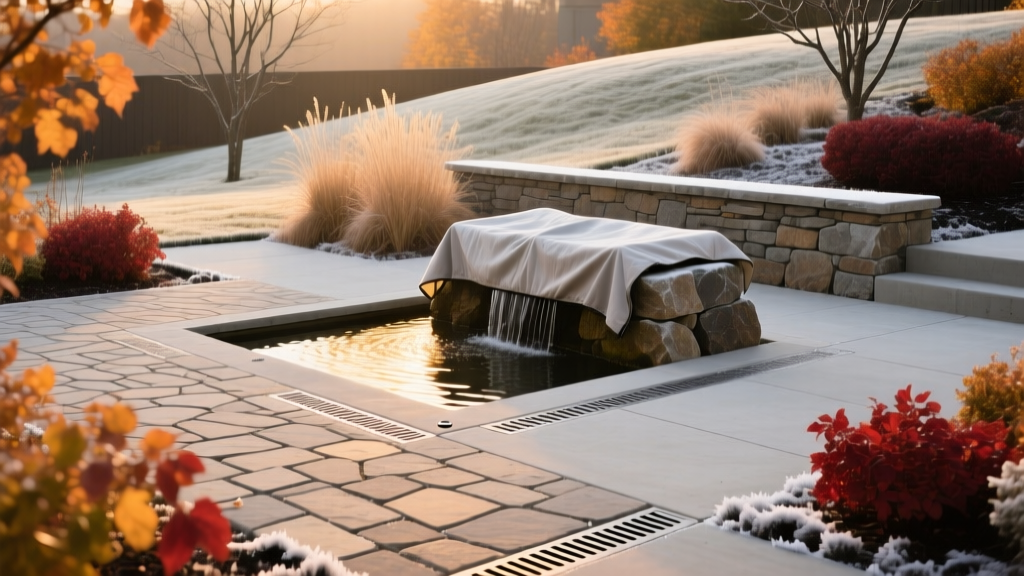
Fall Hardscape Winterization: Protecting Patios and Water Features
Anna KowalskiPublished
Why Fall Hardscape Winterization is Crucial
As autumn leaves begin to fall and temperatures drop, homeowners often focus entirely on lawn aeration, leaf removal, and garden bed mulching. However, your landscape hardscapes—patios, walkways, retaining walls, and water features—are equally vulnerable to the harsh realities of winter. Neglecting seasonal maintenance on these expensive landscape investments can lead to catastrophic structural failures, unsightly staining, and costly spring repairs. Proper fall hardscape winterization is not just about aesthetics; it is a critical preservation strategy that extends the lifespan of your outdoor living spaces.
The Hidden Threat of the Freeze-Thaw Cycle
The primary enemy of any hardscape in a cold climate is the freeze-thaw cycle. When water penetrates the microscopic pores of concrete, natural stone, or clay pavers, it remains trapped. As temperatures drop below freezing, that water expands by approximately 9%. According to the Portland Cement Association, this repetitive expansion and contraction creates immense internal hydraulic pressure, leading to spalling (surface flaking), cracking, and severe structural degradation over time.
To combat this, fall maintenance must focus on two main objectives: keeping water out of the hardscape materials and ensuring that water drains away from the structural base. Below is a comprehensive, actionable guide to winterizing your landscape hardscapes and water features before the first hard freeze.
Step-by-Step Patio and Walkway Winterization
1. Deep Cleaning and Efflorescence Removal
Before applying any protective sealants, the pavers or concrete must be completely clean. Use a pressure washer equipped with a surface cleaner attachment, maintaining a pressure between 2,000 and 3,000 PSI. Avoid using harsh muriatic acid-based cleaners, as these can degrade the jointing sand and weaken the paver surface. Instead, opt for an alkaline-based hardscape cleaner or an oxygenated bleach solution like Simple Green Oxy Solve Concrete and Driveway Cleaner to lift organic stains, algae, and mildew without damaging the substrate.
2. Joint Stabilization
Inspect the joints between your pavers. If the sand has washed out or settled, the pavers will shift during winter ground heaving. Re-fill the joints with a high-quality polymeric sand, such as Alliance Gator Maxx G2. Polymeric sand contains water-activated polymers that bind the sand grains together, creating a flexible yet solid joint that resists water infiltration, weed growth, and insect damage. Ensure the pavers are completely dry before application, and lightly mist the joints with water to activate the polymers as per the manufacturer's instructions.
3. Applying Penetrating Sealers
Do not use film-forming acrylic sealers on hardscapes in freezing climates; they can trap moisture inside the paver and cause a milky white discoloration known as efflorescence, or worse, trap freezing water that causes spalling. Instead, apply a penetrating Silane/Siloxane water repellent. Products like Ghostshield Siloxa-Tek 8500 penetrate deep into the pores of concrete and stone, reacting chemically to form a hydrophobic barrier that repels water and de-icing salts while allowing the material to breathe. Apply two coats using a low-pressure pump sprayer while daytime temperatures remain consistently above 50°F.
Winterizing Landscape Water Features and Fountains
Water features require meticulous winter preparation. Left unprotected, the expansion of freezing water can crack fiberglass basins, burst PVC plumbing lines, and destroy expensive submersible pumps.
Fountains and Bubbling Rocks
- Drain and Clean: Completely drain the fountain basin and scrub away algae. Leaving stagnant water over winter invites mosquito breeding in early spring and accelerates mineral buildup.
- Pump Removal: Disconnect the submersible pump, clean the intake screen, and store it indoors in a bucket of water to prevent the internal seals from drying out and cracking.
- Plumbing Protection: For features with hard-plumbed PVC lines, blow out the lines with an air compressor and fill low-point traps with non-toxic RV antifreeze (propylene glycol) to prevent burst pipes.
Koi Ponds and Water Gardens
According to guidelines from the Aquascape pond care experts, ponds deeper than 24 inches can generally remain filled over winter to protect fish and aquatic plants. However, you must install a floating pond de-icer (such as the Farm Innovators Model H-419) to maintain a hole in the ice. This allows toxic gases from decaying organic matter to escape and oxygen to enter the water. Additionally, cover the pond with a heavy-duty debris netting before the trees drop their leaves to prevent organic sludge from accumulating at the bottom and triggering harmful ammonia spikes.
Hardscape Winterization Materials and Cost Guide
Budgeting for fall maintenance is easier when you understand the specific materials required. Below is a breakdown of essential winterization products, their purposes, and average market costs.
| Material / Product | Purpose | Estimated Cost | Application Timing |
|---|---|---|---|
| Silane/Siloxane Sealer | Deep-penetrating water repellent for concrete/pavers | $45 - $65 per gallon | Mid-Fall (above 50°F) |
| Polymeric Jointing Sand | Stabilizes paver joints and prevents water infiltration | $30 - $45 per 50lb bag | Early Fall (dry conditions) |
| Floating Pond De-Icer | Maintains ice hole for gas exchange in water gardens | $40 - $60 (200W-300W) | Late Fall (before first freeze) |
| RV Antifreeze (Propylene Glycol) | Protects hard-plumbed fountain lines from bursting | $10 - $15 per gallon | After draining plumbing lines |
| CMA Ice Melt | Safe snow/ice melting that won't damage hardscapes | $35 - $50 per 50lb bag | Stock up in Late Fall |
Pre-Winter Drainage and Retaining Wall Checks
Hardscape failure is often a drainage issue in disguise. Before the ground freezes solid, inspect the grading around your patios and walkways. The soil should slope away from the hardscape at a minimum grade of 2% (a 1/4-inch drop per foot). If you notice pooling water near the base of your home or patio, top-dress the area with compactable base gravel or soil to correct the pitch.
For retaining walls, check the weep holes and French drain outlets. Clear away any autumn leaves, mud, or debris blocking the exit points. If the perforated drain pipe behind the retaining wall becomes clogged, hydrostatic pressure will build up during winter snowmelts, potentially causing the wall to bow or collapse under the weight of saturated, freezing soil.
Choosing the Right Ice Melt for Hardscapes
Winter maintenance doesn't stop in the fall; it requires preparing for how you will maintain the hardscape during winter storms. The Interlocking Concrete Pavement Institute (ICPI) strongly advises against using traditional rock salt (Sodium Chloride) or calcium chloride on concrete pavers and natural stone. These harsh salts cause severe surface spalling, accelerate the corrosion of nearby metal fixtures, and leave behind a stubborn white efflorescence stain.
Instead, stock up on Calcium Magnesium Acetate (CMA) based ice melters. CMA is biodegradable, safe for pets, and will not chemically attack the surface of concrete or pavers. While it is more expensive than traditional rock salt, the cost is negligible compared to the price of replacing a spalled and ruined patio. For snow removal, use a plastic-blade snow shovel or a snowblower with rubber-tipped augers to avoid scratching the sealed surface of your hardscape.
When to Call a Professional
While DIY sealing and cleaning are manageable for standard patios, large-scale hardscapes, complex water features, or retaining walls showing signs of bulging require professional assessment. If you notice significant settlement (more than an inch of sinking) or severe efflorescence that won't brush away, consult a certified hardscape contractor. They can lift the pavers, re-compact the aggregate base, and address underlying drainage failures before winter exacerbates the damage.
Conclusion
Proactive fall hardscape winterization is the most cost-effective way to protect your landscape investment. By taking the time to clean, seal, and properly drain your patios, walkways, and water features, you ensure that your outdoor living spaces will emerge from the winter months structurally sound, visually pristine, and ready for spring enjoyment.

