Home & Garden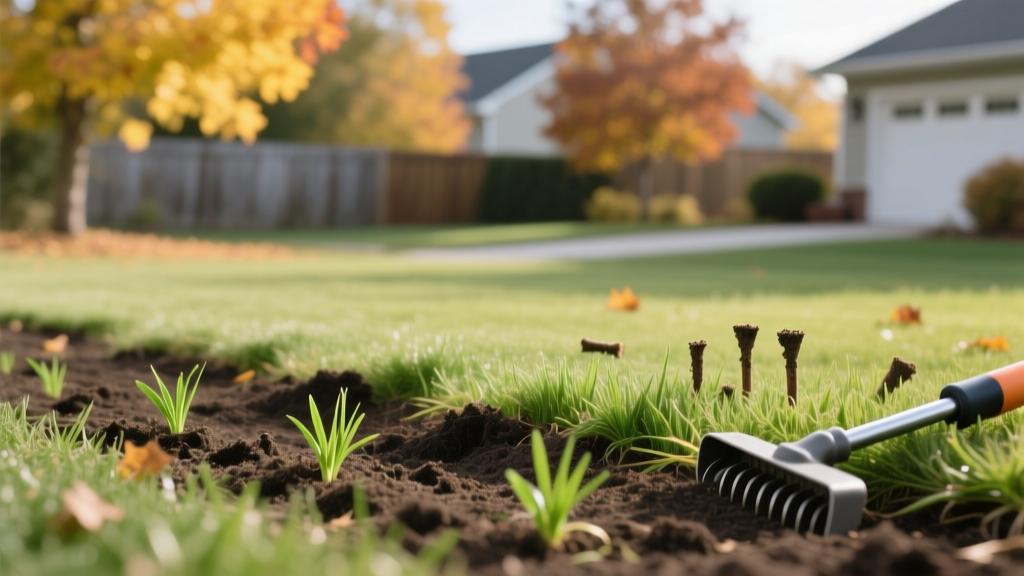
The Ultimate Guide to Fall Core Aeration and Overseeding
David ParkPublished
Transforming Your Outdoor Living Space from the Ground Up
A lush, vibrant lawn is the foundation of any exceptional outdoor living space. Whether you are setting up a new patio dining area, installing a fire pit, or simply looking to increase your property value, the health of your turf dictates the aesthetic and functional quality of your yard. Over time, however, even the most meticulously maintained lawns fall victim to soil compaction, thatch buildup, and thinning grass. This is where the powerful combination of core aeration and overseeding comes into play. By bridging the gap between seasonal home maintenance and energy-efficient landscaping, these techniques breathe new life into your outdoor spaces, preparing your yard for the next year of garden-to-table gatherings and outdoor relaxation.
The Hidden Enemy: Soil Compaction and Thatch Buildup
Before diving into the techniques, it is crucial to understand why your lawn might be struggling. Soil compaction occurs when foot traffic, heavy outdoor furniture, and lawn equipment compress the soil particles, eliminating the tiny air pockets that roots need to breathe, absorb water, and take in nutrients. Compacted soil leads to shallow root systems, making your grass highly susceptible to drought, heat stress, and disease.
Thatch, a layer of dead and living organic matter that sits between the green grass blades and the soil surface, is another culprit. While a thin layer of thatch (less than half an inch) is beneficial, excessive thatch acts like a sponge, preventing water and fertilizer from reaching the root zone. Core aeration physically removes small plugs of soil and thatch, alleviating compaction and creating direct channels for air, water, and nutrients to penetrate the root zone.
Timing is Everything: When to Execute Your Lawn Revival
Success in lawn renovation hinges entirely on timing. For cool-season grasses—such as Kentucky Bluegrass, Tall Fescue, and Perennial Ryegrass, which dominate northern and transitional zones—early fall is the undisputed champion for aeration and overseeding. According to the University of Minnesota Extension, early fall (late August through September) provides the ideal balance of warm soil temperatures for rapid seed germination and cool air temperatures that reduce heat stress on young seedlings. Furthermore, fall weed competition is minimal, giving your new grass a fighting chance to establish before winter.
For warm-season grasses like Bermudagrass, Zoysia, and Centipedegrass, late spring to early summer is the optimal window, coinciding with their peak growing season. However, for the vast majority of homeowners reading this guide, focusing on the late summer and early fall window will yield the most dramatic transformations for your outdoor living spaces.
Core Aeration Techniques: Doing It Right
While spike aerators exist, they merely poke holes and can actually worsen compaction by pressing soil outward. True lawn renovation requires a core aerator, a machine that extracts cylindrical plugs of soil (typically 2 to 3 inches deep and 0.5 to 0.75 inches in diameter).
Step-by-Step Aeration Execution
- Prepare the Soil: Water your lawn deeply 24 to 48 hours before aerating. The soil should be moist but not muddy. If the ground is too dry, the aerator tines will not penetrate deeply enough; if it is too wet, the machine will tear the turf and clog.
- Mark Hidden Hazards: Always call your local utility locating service (like 811 in the US) a few days prior. Additionally, use brightly colored landscaping flags to mark shallow sprinkler heads, invisible dog fences, and valve boxes to prevent catastrophic damage.
- The Double-Pass Method: Make your first pass in one direction (e.g., north to south), and your second pass perpendicularly (east to west). Aim for 20 to 40 holes per square foot. Overlapping passes ensure maximum soil relief.
- Leave the Plugs: Do not rake up the extracted soil cores. Allow them to dry and break down naturally over the next few weeks. They contain beneficial microbes that will help break down the surrounding thatch layer.
Overseeding Strategies for Maximum Germination
Once the soil is open and receptive, overseeding introduces new, improved grass cultivars to fill in bare spots and crowd out future weeds. Seed-to-soil contact is the single most critical factor in overseeding success. The holes left by the core aerator act as perfect, protected micro-environments for seeds to germinate and establish deep roots.
According to Purdue University's Turfgrass Extension, selecting the right seed blend for your specific microclimate and sun exposure is vital. Avoid cheap 'contractor' blends that contain annual ryegrass or excessive weed seeds. Invest in high-quality, certified seed with a germination rate of 85% or higher and a weed seed content of less than 0.1%.
Recommended Seed Application Rates
| Grass Type | Overseeding Rate (lbs per 1,000 sq ft) | Best Use Case |
|---|---|---|
| Tall Fescue | 4.0 - 6.0 lbs | High traffic areas, drought-prone zones |
| Kentucky Bluegrass | 1.5 - 2.5 lbs | Sunny, premium aesthetic lawns |
| Perennial Ryegrass | 3.0 - 5.0 lbs | Quick germination, erosion control |
| Fine Fescue | 3.0 - 4.0 lbs | Shaded areas, low-maintenance zones |
Pro Tip: Pair your seed application with a high-quality starter fertilizer (e.g., an N-P-K ratio of 10-18-10). The elevated phosphorus content is crucial for stimulating rapid root development in young seedlings.
Never use standard 'weed and feed' products before or immediately after overseeding. The pre-emergent herbicides contained in these products will prevent your expensive new grass seed from germinating.
Financial Breakdown: DIY vs. Professional Lawn Services
Deciding whether to tackle this project yourself or hire a professional depends on your budget, physical capability, and the size of your property. Core aerators are heavy, cumbersome machines that can be difficult to maneuver in tight garden beds or around delicate outdoor decor.
| Service Level | Estimated Cost (5,000 sq ft lawn) | Pros & Cons |
|---|---|---|
| DIY (Machine Rental & Seed) | $150 - $250 | Pros: Cost-effective, rewarding. Cons: Physically demanding, transport logistics, risk of improper depth. |
| Professional Aeration Only | $150 - $200 | Pros: Commercial-grade equipment, saves time. Cons: You still handle seed and fertilizer. |
| Professional Full Service | $350 - $600 | Pros: Turnkey solution, premium seed, warranty. Cons: Higher upfront cost. |
Smart Irrigation and Post-Overseeding Maintenance
The weeks following aeration and overseeding require meticulous moisture management. New grass seed must never be allowed to dry out completely during the first 14 to 21 days. This typically requires light, frequent watering—up to three or four times a day for 5 to 10 minutes per zone—depending on your local climate and soil drainage.
This is where smart home integration shines. Upgrading to a smart irrigation controller, such as the Rachio or B-hyve, allows you to program multiple short watering cycles per day without manually adjusting the timer. Furthermore, these devices integrate with local weather stations to automatically skip watering if rain is in the forecast, preventing seed rot and water waste. Aligning your landscaping practices with the EPA WaterSense guidelines ensures that your lawn renovation remains environmentally responsible and energy-efficient, reducing your outdoor water consumption while maximizing turf health.
Once the new grass reaches about 3 inches in height, you can transition back to a deep, infrequent watering schedule (typically 1 to 1.5 inches of water per week) to encourage deep root growth. Delay your first mowing until the new seedlings have firmly rooted, usually around 3 to 4 weeks post-germination, and ensure your mower blades are razor-sharp to avoid tearing the delicate young plants.
Conclusion: Reaping the Rewards of a Revitalized Lawn
Core aeration and overseeding are not merely chores; they are strategic investments in your home's outdoor living environment. By alleviating soil compaction, introducing resilient grass cultivars, and leveraging smart irrigation technology, you create a dense, weed-resistant turf that serves as the perfect canvas for your garden projects, patio furniture, and outdoor entertaining. Commit to this annual fall ritual, and your lawn will reward you with unparalleled beauty and durability for seasons to come.
