Lawn Care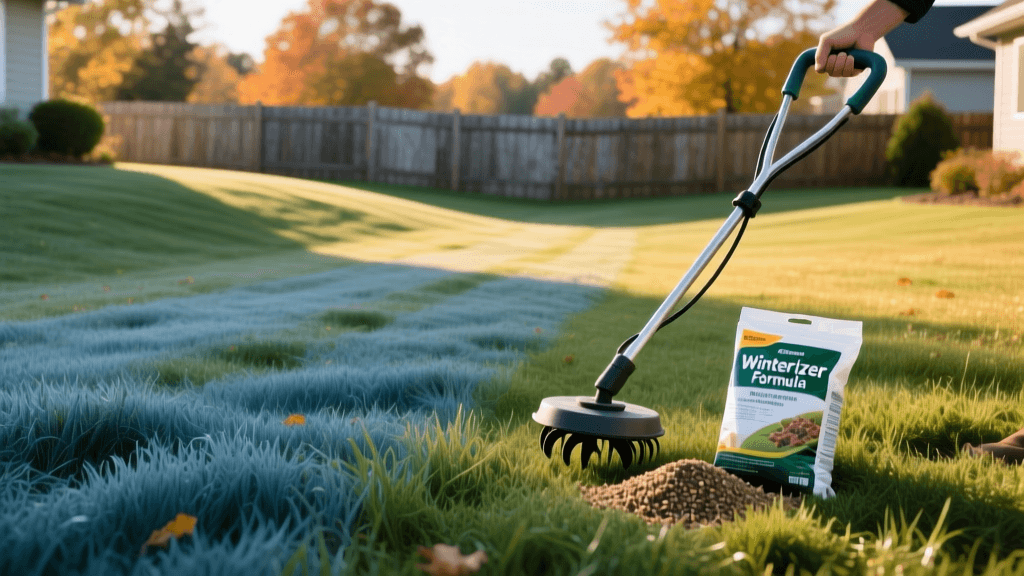
Fall Lawn Care Guide: Winterizing Cool-Season Grasses
The Science of Fall Lawn Care
When it comes to maintaining a lush, vibrant yard, autumn is arguably the most critical season for cool-season grasses such as Kentucky Bluegrass, Tall Fescue, Perennial Ryegrass, and Fine Fescue. While spring often gets all the attention from homeowners eager to see green shoots, the true foundation of a healthy lawn is built in the fall. As air temperatures begin to drop and soil temperatures settle into the optimal 50°F to 65°F range, cool-season grasses shift their energy away from top growth and focus entirely on root development and carbohydrate storage.
According to turfgrass experts at the University of Minnesota Turf Science program, a robust fall root system is the single best defense against summer drought, heat stress, and weed invasion the following year. Neglecting your lawn in September and October means missing the prime biological window for recovery and preparation. This comprehensive guide will walk you through the exact seasonal maintenance steps, product measurements, and timelines required to properly winterize your cool-season lawn.
Essential Fall Maintenance Timeline
Timing is everything in lawn care. Applying the right product at the wrong soil temperature can lead to wasted money and potential turf damage. Use the following table to align your fall lawn care tasks with natural soil temperature drops.
| Timeframe | Soil Temperature | Primary Tasks |
|---|---|---|
| Late August - Early Sept | 65°F - 70°F | Pre-emergent herbicide, Grub control, Early seeding |
| Mid-September | 60°F - 65°F | Core aeration, Overseeding, Starter fertilization |
| Late October | 50°F - 55°F | Broadleaf weed control, Final mowing height reduction |
| Mid-November | 45°F - 50°F | Winterizer fertilization, Leaf cleanup, Winterization |
Step 1: Core Aeration and Dethatching
Soil compaction is the silent killer of urban and suburban lawns. Over the summer, foot traffic, heavy mowing equipment, and dry soil bake the earth into a hard pan that restricts water, oxygen, and nutrient flow to the root zone. Core aeration involves pulling small plugs of soil (typically 2 to 3 inches deep and spaced 2 to 4 inches apart) to alleviate this compaction.
- When to Aerate: Early to mid-September, when the grass is actively growing and can quickly heal the open holes.
- Preparation: Water your lawn deeply 24 hours before aerating. The soil should be moist but not muddy; this allows the aerator tines to penetrate deeply and pull clean cores.
- Post-Aeration: Leave the soil cores on the lawn. They will break down naturally over the next two weeks, returning beneficial microbes to the thatch layer and helping to decompose organic matter.
If your lawn has a thatch layer thicker than half an inch, consider renting a power dethatcher or verticutter. However, for most well-maintained lawns, core aeration alone is sufficient and much less stressful on the turf.
Step 2: Overseeding for Density
Overseeding is the process of introducing new grass seed into an existing lawn to fill in bare patches, improve turf density, and introduce newer, more disease-resistant grass cultivars. The optimal time for overseeding cool-season grasses is immediately following core aeration in mid-September.
Seed Selection and Application Rates
Choosing the right seed is paramount. Avoid cheap, generic seed mixes that contain high percentages of annual ryegrass or weed seeds. Look for certified seed with zero weed seed content.
- Tall Fescue: Apply at a rate of 5 to 6 lbs per 1,000 square feet for overseeding. Choose turf-type or dwarf turf-type tall fescues for deep rooting and drought tolerance.
- Kentucky Bluegrass (KBG): Apply at 1 to 2 lbs per 1,000 square feet. KBG spreads via rhizomes, making it excellent for repairing damaged areas.
- Perennial Ryegrass: Apply at 3 to 4 lbs per 1,000 square feet. Ideal for quick germination and erosion control, though it lacks the rhizome-spreading ability of KBG.
After spreading the seed, apply a high-quality starter fertilizer (such as a 10-18-10 N-P-K ratio). The elevated phosphorus content is crucial for stimulating rapid root development in young seedlings. Keep the top inch of soil consistently moist by watering lightly two to three times a day for the first 14 to 21 days until germination is complete.
Step 3: Strategic Fall Fertilization
Fall fertilization is divided into two distinct phases: early fall recovery and late fall winterization. The Penn State Extension recommends tailoring your nutrient applications to the specific growth patterns of cool-season turf.
Early Fall (September): Recovery and Growth
Your lawn has likely endured significant heat and drought stress over the summer. An early fall application of a balanced, slow-release nitrogen fertilizer (e.g., 24-4-12 or 30-0-10) provides the nutrients necessary for the grass to recover, green up, and build energy reserves. Apply approximately 1.0 lb of actual nitrogen per 1,000 square feet.
Late Fall (November): The Winterizer
The late fall application, often referred to as a 'winterizer,' is the most important fertilizer application of the entire year. This should be applied after the final mowing, usually when the grass has stopped growing vertically but the soil is not yet frozen (soil temps around 45°F).
Expert Tip: Use a fast-release nitrogen source for your late fall winterizer, such as urea or ammonium sulfate. Because the grass is no longer producing top growth, the roots will rapidly absorb this nitrogen and store it as carbohydrates to survive the winter and fuel an aggressive spring green-up without the need for heavy spring fertilizing.
Aim for a fertilizer with a high nitrogen and high potassium ratio, such as 32-0-10 or 10-0-20. Potassium (the third number in the N-P-K ratio) acts like antifreeze for plant cells, improving cold hardiness and disease resistance.
Step 4: Weed Control and Disease Prevention
Fall is the absolute best time to tackle broadleaf weeds like dandelions, clover, and plantain. In autumn, broadleaf weeds are actively pulling nutrients from their leaves down into their root systems to prepare for winter. When you apply a liquid broadleaf herbicide containing active ingredients like 2,4-D, dicamba, or triclopyr in late September or October, the plant transports the chemical directly to the roots, ensuring a complete kill.
For grassy weeds like Poa annua (annual bluegrass), a fall pre-emergent herbicide containing prodiamine or dithiopyr should be applied in late August or early September before soil temperatures drop below 70°F. Be aware that applying a pre-emergent will prevent any grass seed from germinating, so you must choose between overseeding and pre-emergent weed control; you cannot do both in the same area at the same time.
To prevent snow mold (Typhula blight and Microdochium patch), avoid applying excessive nitrogen late in the season that promotes lush, soft top growth right before the snow falls. Ensure proper drainage and keep the lawn clear of leaves.
Step 5: Final Mowing and Leaf Management
How you handle the final weeks of mowing dictates your lawn's health in early spring. During September and October, maintain a mowing height of 3.0 to 3.5 inches. Taller grass blades can photosynthesize more efficiently, outcompete fall-germinating weeds, and shade the soil to retain moisture.
However, for the very last mow of the season in late November, drop your mower deck down to 2.0 or 2.5 inches. Cutting the grass slightly shorter before winter dormancy prevents the blades from matting down under the weight of snow, which is the primary catalyst for snow mold development.
When it comes to fall leaves, mulching is highly preferred over bagging. Using a mulching mower to chop leaves into dime-sized pieces allows them to filter down into the soil canopy. As they decompose, they return valuable organic matter and micronutrients to the earth. If the leaf cover is so thick that it completely blocks sunlight, use a bagger to remove the excess, but leave a light layer of finely chopped leaves behind.
Estimated Costs for Fall Lawn Care
Budgeting for fall maintenance helps homeowners decide whether to tackle the work themselves or hire a professional lawn care service. Below is a cost comparison for an average 5,000 square foot cool-season lawn.
| Task | DIY Cost (per 5,000 sq ft) | Professional Cost |
|---|---|---|
| Core Aeration | $75 - $100 (Machine Rental) | $85 - $150 |
| Overseeding | $40 - $80 (Premium Seed) | $120 - $220 |
| Fertilization | $25 - $40 (Bagged Fertilizer) | $50 - $85 |
| Weed Control | $15 - $30 (Concentrate) | $45 - $75 |
While DIY lawn care can save money, professional services offer commercial-grade products and precise calibration that maximizes results. According to Rutgers Cooperative Extension, proper soil testing prior to fall fertilization is highly recommended to avoid over-applying phosphorus, which can lead to environmental runoff and wasted resources.
Conclusion
Winterizing a cool-season lawn is not a single weekend chore, but a calculated, multi-step strategy that spans from late August through late November. By aligning your aeration, overseeding, fertilization, and mowing practices with the natural biological rhythms of your turf, you ensure that your lawn enters winter dormancy with a massive reserve of energy. The result is a dense, deeply rooted, and weed-resistant lawn that will explode with vibrant green growth the moment spring arrives.