Home & Garden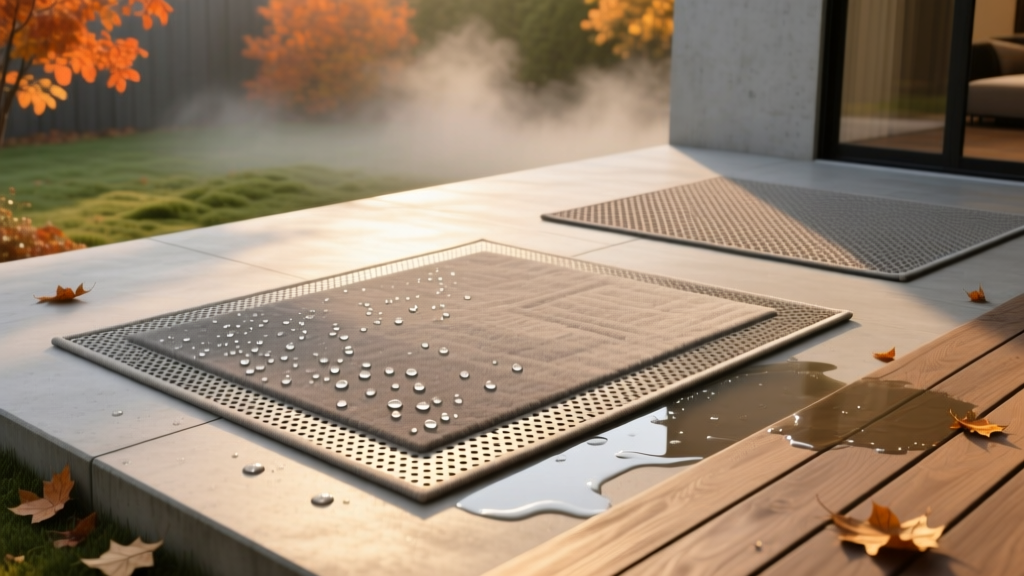
Fall 2026: Best Outdoor Rug Pads for Concrete vs Deck Drainage
Mike RodriguezPublished
The Critical Role of Rug Pads in Fall Landscape Transitions
As autumn arrives in 2026, homeowners are heavily focused on fall lawn care, from aerating turf to managing leaf litter. However, the transition zones between your lush lawn and your hardscaped outdoor living spaces require equal attention. Outdoor rugs are a fantastic way to bridge the gap between indoor comfort and outdoor aesthetics, but without the proper rug pad, they can become a liability during the wet, debris-heavy fall months. The specific surface beneath your rug—whether it is a solid concrete patio or a slatted composite deck—dictates entirely different drainage and airflow requirements. Choosing the wrong pad can lead to trapped moisture, surface staining, and accelerated material degradation just as you are preparing your property for winter.
Why Fall Weather Demands Specialized Drainage Solutions
Autumn brings a unique combination of environmental stressors. Heavy seasonal rainstorms, dropping temperatures, and an endless barrage of decaying leaves create a perfect storm for moisture retention. When leaves accumulate on an outdoor rug, they release tannins and organic acids as they break down. If water is trapped beneath the rug due to an inadequate pad, these tannins will permanently stain both the rug fibers and the hardscape below. Furthermore, the Environmental Protection Agency (EPA) notes that mold and mildew thrive in damp, poorly ventilated environments, which is exactly what a flat outdoor rug creates on a wet patio. Proper drainage is not just about keeping your feet dry; it is about preserving the structural integrity of your outdoor investments during the harsh fall and winter seasons.
Concrete Patios: Managing Pooling and Porosity
Concrete is a highly durable material, but it presents specific drainage challenges in the fall. While concrete is slightly porous, it is often poured with a very subtle slope that can fail to move water quickly during torrential autumn downpours. This leads to water pooling beneath the rug. Additionally, unsealed concrete can absorb moisture, which then freezes and expands during late-fall frost, causing a destructive process known as spalling.
The Best Pad Materials for Concrete
For concrete surfaces, you need a rug pad that acts as a moisture barrier while providing an aggressive drainage grid. In 2026, the industry standard for concrete is heavy-duty PVC or vinyl-coated polyester mesh. These pads typically feature a thickness of 1/4-inch to 3/8-inch, creating a substantial air gap between the rug and the concrete. This elevated grid allows water to flow freely underneath and out toward the lawn or patio drains, rather than being absorbed by the rug backing.
- Thickness: 1/4-inch to 3/8-inch for maximum airflow and water channeling.
- Material: PVC or vinyl-coated polyester (avoid rubber, which can trap moisture and degrade on concrete).
- Fall Benefit: Prevents freezing water from directly contacting the rug backing, reducing the risk of ice-bonding to the concrete.
Wood and Composite Decks: Airflow and Surface Protection
Decks require a completely different approach. Whether you have a traditional pressure-treated wood deck or a modern 2026 composite deck (such as Trex or TimberTech), the primary enemies are trapped moisture and abrasion. Wood decks need continuous airflow to prevent rot, warping, and fungal decay. Composite decks, while immune to rot, can trap heat and moisture, leading to mold growth on the underside of the boards or voiding the manufacturer's warranty if improper abrasive materials are used.
The Best Pad Materials for Decks
For decks, thick PVC grids can be too rigid and may scratch composite surfaces or trap debris between the deck slats. Instead, opt for low-profile, breathable felt and natural rubber blends or soft polypropylene mesh. According to guidelines on exterior moisture management from the Department of Energy (DOE), allowing building materials to breathe and dry out is critical for longevity. A 1/8-inch thick breathable pad provides enough cushion and slip resistance without suffocating the deck boards or creating deep grooves where wet autumn leaves can get trapped and rot.
- Thickness: 1/8-inch to 1/4-inch to maintain a low profile and prevent tripping hazards on elevated slats.
- Material: Recycled felt with natural rubber backing, or soft polypropylene.
- Fall Benefit: Allows rapid drying after autumn rain showers, preventing the wood underneath from remaining damp and succumbing to late-season fungal growth.
Head-to-Head Comparison: Concrete vs. Deck Rug Pads
To help you make the right choice for your specific outdoor living space this fall, refer to the comparison chart below. Matching the pad to the surface is the most critical step in your autumn hardscape maintenance routine.
| Feature | Concrete Patio Pads | Wood / Composite Deck Pads |
|---|---|---|
| Primary Material | PVC / Vinyl-Coated Polyester Grid | Felt/Rubber Blend or Soft Polypropylene |
| Ideal Thickness | 1/4-inch to 3/8-inch | 1/8-inch to 1/4-inch |
| Drainage Mechanism | Deep channel grid for heavy water flow | Breathable weave for rapid evaporation |
| Surface Protection | Prevents freeze-thaw spalling and staining | Prevents scratching, rot, and heat trapping |
| Fall Leaf Management | Easy to lift and hose off tannin stains | Prevents wet leaves from matting into deck slats |
| Estimated 2026 Cost | $1.50 - $2.50 per square foot | $1.75 - $3.00 per square foot |
Choosing the Right Rug Material to Pair with Your Pad
A rug pad is only half of the drainage equation. The rug itself must be compatible with fall weather. In 2026, the most highly recommended outdoor rugs for wet climates are made from recycled polyethylene terephthalate (PET) or polypropylene. These synthetic fibers are inherently hydrophobic, meaning they repel water rather than absorbing it like natural jute or wool. When paired with the correct drainage pad, a polypropylene rug will dry within hours of a fall rainstorm, drastically reducing the window of opportunity for mold spores to germinate. Avoid any rugs with heavy, solid latex backings, as these negate the benefits of a drainage pad by creating a secondary, impermeable barrier against the concrete or deck.
Fall Maintenance: Leaves, Moisture, and Winterization
Even with the best drainage pad installed, fall lawn care and patio maintenance require active management. As trees shed their leaves, your outdoor rug will act as a net, catching organic debris before it hits the lawn. Here is a step-by-step fall maintenance protocol to ensure your rug and pad survive the winter:
1. Weekly Debris Clearing
Do not rely on rain to wash leaves away. Wet, decaying leaves are heavy and will mat down the fibers of your rug, blocking the drainage channels of your pad. Use a leaf blower on a low setting or a stiff-bristled broom to clear the surface weekly. This prevents tannin stains from seeping through to the concrete or deck below.
2. The Mid-Autumn Deep Clean
Before the first hard frost, roll back the rug and pad. Power wash the concrete patio or sweep the deck boards to remove accumulated dirt and pollen. Hose down the rug pad itself—PVC grids often trap fine silt and mud that can impede drainage. Allow both the surface and the pad to dry completely in the autumn sun before reassembling.
3. Winter Storage vs. Leaving It Out
If you live in a region with heavy snow and prolonged freezing temperatures, the best practice is to roll up both the rug and the pad for the winter. Storing them in a dry, climate-controlled garage or shed prevents the PVC grid from becoming brittle and cracking in sub-zero temperatures, and protects felt/rubber deck pads from freezing to the composite boards. If you must leave the rug out, ensure it is made of a freeze-thaw stable polypropylene and elevate the edges slightly to allow melting snow to escape.
Final Thoughts on 2026 Hardscape Care
Integrating your hardscape accessories into your broader fall lawn care strategy is essential for a cohesive, healthy property. By understanding the distinct drainage needs of concrete versus decking, you can select the precise rug pad required to manage autumn moisture. Investing in a high-quality, surface-specific pad this season will protect your patio investments, eliminate mold hazards, and ensure your outdoor living space remains a beautiful extension of your home for years to come.
