Lawn Care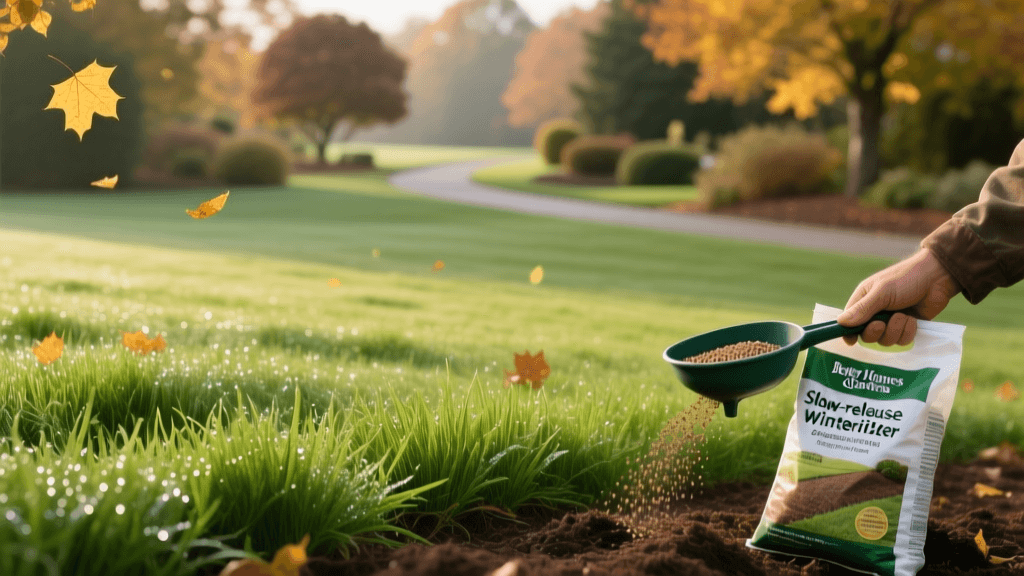
Fall Lawn Care: Overseeding and Winterizing Cool-Season Grasses
Why Fall is the Most Critical Season for Cool-Season Lawns
When it comes to maintaining a lush, vibrant yard, autumn is the undisputed champion of seasons for cool-season grasses. Varieties such as Kentucky Bluegrass, Tall Fescue, and Perennial Ryegrass thrive in the crisp air and warm soil of early fall. While spring often gets the glory in gardening magazines, turfgrass experts universally agree that the work you put in between late August and early November dictates the health, density, and color of your lawn for the following year.
During the fall, air temperatures drop to the 60s and 70s, reducing heat stress and minimizing the evaporation of moisture. Simultaneously, soil temperatures remain warm enough to stimulate aggressive root growth and seed germination. Furthermore, annual summer weeds like crabgrass are dying off, leaving less competition for water, sunlight, and nutrients. According to the University of Minnesota Extension, lawns that receive proper fall maintenance recover faster from summer drought stress and establish deeper root systems that sustain them through freezing winter months and the subsequent spring green-up.
Step-by-Step Fall Overseeding Guide
Overseeding is the process of planting grass seed directly into existing turf without tearing up the soil. It is the single most effective way to fill in bare spots, improve turf density, and introduce improved, disease-resistant grass cultivars to your yard.
Timing, Core Aeration, and Soil Preparation
The ideal window for overseeding cool-season grasses is when soil temperatures are consistently between 50°F and 65°F. In most northern and transitional zones, this falls between late August and mid-September. Before dropping a single seed, you must prepare the soil bed.
Start with core aeration. Aeration involves pulling 2-to-3-inch plugs of soil from the ground to alleviate compaction and allow oxygen, water, and nutrients to reach the root zone. You can rent a walk-behind core aerator from a local hardware store for roughly $70 to $100 per day, or hire a professional landscaping service for about $15 to $17 per 1,000 square feet. Leave the extracted soil plugs on the lawn; they will break down naturally and help decompose the thatch layer.
Choosing the Right Seed and Application Rates
Selecting the correct seed and applying it at the proper rate is crucial. Over-applying seed leads to overcrowding and fungal diseases, while under-applying leaves room for weed invasion. Here are the recommended application rates for common cool-season grasses:
- Tall Fescue: 8 to 10 lbs per 1,000 sq ft for new lawns; 3 to 5 lbs per 1,000 sq ft for overseeding.
- Kentucky Bluegrass: 2 to 3 lbs per 1,000 sq ft for new lawns; 1 to 2 lbs per 1,000 sq ft for overseeding.
- Perennial Ryegrass: 5 to 9 lbs per 1,000 sq ft for new lawns; 3 to 5 lbs per 1,000 sq ft for overseeding.
When overseeding, always pair your seed with a starter fertilizer. A starter formula is high in phosphorus (the middle number in the N-P-K ratio), which is essential for rapid root development. A product like Scotts Turf Builder Starter Food for New Grass (24-25-4) is an industry standard. Apply it on the same day you sow your seed to give the seedlings an immediate nutrient boost.
Winterizing Your Lawn: Fertilization and Weed Control
As the overseeded grass begins to establish, your focus must shift toward preparing the entire lawn for winter dormancy. This phase, commonly known as winterizing, involves specific fertilization strategies and targeted weed control.
The Late-Fall Winterizer Fertilizer
Experts at the Michigan State University Extension emphasize that late-fall fertilization is arguably the most important feeding of the year. Unlike spring fertilizers that push rapid, leafy top-growth, a winterizer fertilizer is designed to promote root storage and cold-hardiness.
Apply a winterizer fertilizer in late October or early November, right around your final mowing of the season. Look for a formulation that is high in nitrogen and potassium, but low or zero in phosphorus (unless a soil test indicates a deficiency). A ratio like 32-0-10 or 22-0-14 is ideal. The potassium helps regulate the plant's cellular water content, acting as a natural antifreeze that protects the grass crowns from freezing temperatures. Expect to spend around $45 to $55 for a premium 14-pound bag that covers 5,000 square feet.
Pre-Emergent and Broadleaf Weed Control
Fall is the absolute best time to tackle broadleaf weeds like dandelions, clover, and plantain. As autumn temperatures drop, these perennial weeds actively pull nutrients down into their root systems to store for the winter. If you apply a liquid broadleaf herbicide during this time, the plant will eagerly absorb the chemical directly into its roots, resulting in a complete kill rather than just burning off the top leaves.
Look for a selective herbicide containing active ingredients like 2,4-D, Dicamba, or MCPP. Products such as Ortho WeedClear or Bayer Advanced Southern Season Long Weed Killer (ensure it is safe for your specific grass type) work exceptionally well. Apply on a calm, dry day when temperatures are between 60°F and 80°F for maximum efficacy. Note: Do not apply broadleaf herbicides within 3 to 4 weeks of overseeding, as they can stunt or kill young grass seedlings.
Comprehensive Fall Lawn Care Timeline and Budget
To keep your seasonal maintenance organized, refer to the structured timeline and budget estimate below. Costs are estimated for an average 5,000 square foot lawn.
| Timeframe | Maintenance Task | Recommended Product / Tool | Estimated Cost |
|---|---|---|---|
| Late Aug - Early Sep | Core Aeration | Rental Aerating Machine or Pro Service | $85 - $150 |
| Early Sep | Overseeding | Tall Fescue or KBG Seed Blend | $60 - $90 |
| Early Sep | Starter Fertilization | High-Phosphorus Starter (e.g., 24-25-4) | $40 - $50 |
| Mid Sep - Mid Oct | Broadleaf Weed Control | Liquid 2,4-D / Dicamba Herbicide | $25 - $35 |
| Nov (Before Frost) | Winterizer Fertilizer | High-Potassium Turf Builder (e.g., 32-0-10) | $45 - $55 |
Irrigation and Mowing Adjustments for Autumn
Your mowing and watering routines must evolve as the season progresses. According to Penn State Extension, maintaining the proper mowing height in the fall prevents snow mold and reduces winter desiccation.
For cool-season grasses, maintain a mowing height of 2.5 to 3.0 inches throughout the autumn. Never remove more than one-third of the grass blade in a single mowing session. As growth slows in November, you can drop the mower deck down by half an inch for the final cut. This prevents the grass from matting down under heavy snowfall, which is a primary cause of fungal snow mold diseases.
Regarding irrigation, do not put the sprinklers away too early. Newly overseeded lawns require frequent, light waterings to keep the top inch of soil moist. Once the seed germinates and the weather cools, transition to deep, infrequent watering. Aim for 1 inch of water per week, including rainfall. Continue watering until the ground begins to freeze. A well-hydrated lawn enters winter dormancy much healthier than a drought-stressed one, significantly reducing the risk of winter kill.
Conclusion
Mastering fall lawn care requires a strategic approach that leverages the natural growth cycles of cool-season grasses. By combining core aeration, precise overseeding, targeted weed control, and a nutrient-rich winterizer application, you are essentially investing in your lawn's future. The time, effort, and budget allocated to these autumn tasks will pay massive dividends when your neighbors are dealing with patchy, weed-filled yards next spring, while you enjoy a thick, emerald-green carpet of turf.