Home & Garden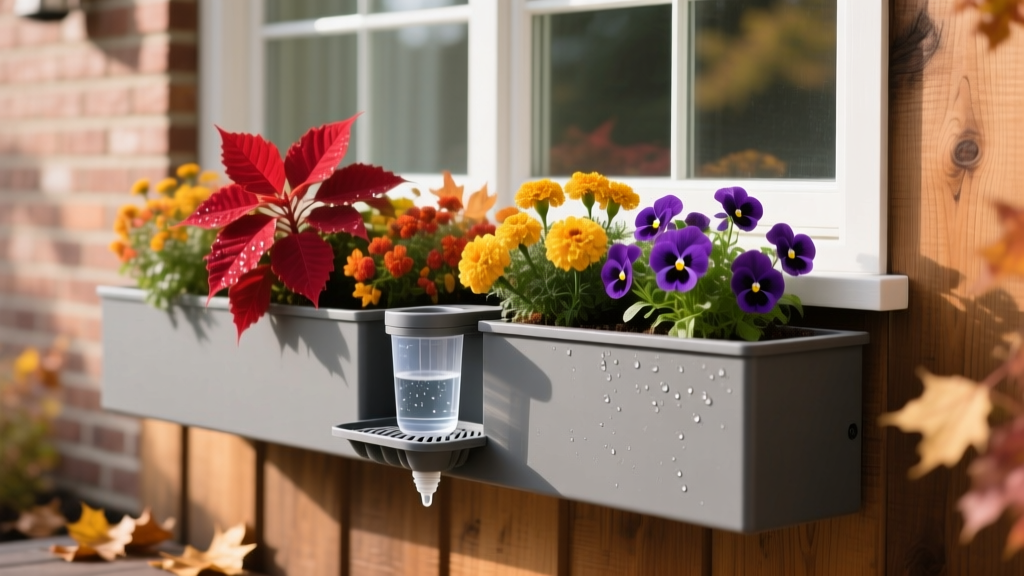
2026 Fall Window Box Guide: Self-Watering Liners & Drip Trays
Sarah ChenPublished
Why Integrate Window Boxes into Your Fall Lawn Care Routine?
When most homeowners think of fall lawn care, their minds immediately go to the turf: core aeration, overseeding, dethatching, and endless leaf raking. However, a comprehensive 2026 autumn landscaping strategy bridges the gap between your lawn and your home’s exterior. As you prepare your grass for winter dormancy, installing a window box equipped with a self-watering liner and a protective drip tray is a brilliant way to extend your garden vertically. This setup not only provides a vibrant display of cold-hardy autumn blooms but also protects your home's siding and fascia from heavy seasonal downpours.
Furthermore, dragging heavy garden hoses across a freshly overseeded and aerated autumn lawn can cause severe damage to delicate new grass shoots. A self-watering window box system eliminates the need for frequent manual watering, allowing you to focus your fall lawn care efforts entirely on turf establishment and leaf management while your vertical gardens thrive autonomously.
Essential Components for a 2026 Autumn Installation
To ensure your window box survives the transition from crisp autumn days to freezing winter nights, selecting the right materials is critical. Here is what you need for a modern, durable setup:
1. Self-Watering Liners and Reservoirs
Traditional coco-liners dry out rapidly in the windy fall weather. For 2026, the industry standard has shifted toward coco-liners integrated with capillary aqua-mats, or modular sub-irrigated plastic reservoir inserts. These systems feature a water basin at the bottom and a wicking mechanism that pulls moisture up into the soil as needed. This capillary action ensures that fall-planted pansies and ornamental kale receive consistent moisture, which is vital for root establishment before the ground freezes.
2. Protective Drip Trays
Autumn is notorious for heavy, wind-driven rainstorms. Without a drip tray, overflow from your window box will cascade down your home’s exterior, leading to rotted wooden fascias, stained vinyl siding, or moisture intrusion behind stucco. A sloped polycarbonate or copper drip tray catches excess runoff and directs it safely away from the house.
3. Heavy-Duty Mounting Hardware
Wet soil and water reservoirs add significant weight. You must use 3/8-inch galvanized or stainless steel lag bolts driven directly into your home's structural studs or masonry anchors. Never rely on drywall anchors or siding clips for a water-bearing exterior fixture.
Step-by-Step Installation Guide
Follow these precise measurements and steps to secure your window box and drip tray safely.
- Step 1: Locate and Mark Studs. Use a stud finder to locate the structural studs behind your exterior wall. Mark the centers of at least two studs that align with the intended length of your window box. If mounting to brick or stone, mark locations for masonry anchors.
- Step 2: Mount the Drip Tray First. Attach the drip tray brackets slightly below the window sill. Crucially, you must slope the tray downward and away from the house at a rate of 1/4 inch per foot. This ensures that heavy autumn rains drain outward rather than pooling against your siding.
- Step 3: Install the Main Box Brackets. Secure the primary L-brackets into the studs using your stainless steel lag bolts. Ensure they are perfectly level using a 24-inch spirit level.
- Step 4: Seat the Liner and Reservoir. Place the self-watering liner into the wooden or composite box. If using a plastic reservoir insert, ensure the overflow weep hole is positioned to drain directly into the angled drip tray below.
- Step 5: Add Soil and Plants. Fill the reservoir to the maximum fill line, then add your soil mix and fall plants.
Comparison Chart: Self-Watering Liners for Fall Containers
Choosing the right liner depends on your aesthetic preferences and the specific microclimate of your home's exterior. Below is a comparison of the top self-watering options available for autumn installations.
| Liner Type | Water Retention | Fall Durability | Best For |
|---|---|---|---|
| Coco-Liner with Aqua-Mat | High | Medium | Traditional wooden boxes and rustic aesthetics |
| Plastic Reservoir Insert | Very High | High | Modern vinyl boxes, heavy rain zones, and low-maintenance setups |
| Fabric Sub-Irrigation Bag | Medium | Low | Temporary seasonal setups and lightweight balcony rails |
Fall Planting & Soil Prep for Self-Watering Systems
The soil you use in a self-watering system must be highly porous. Because the wicking system provides constant bottom-up moisture, dense garden soil will become waterlogged, leading to root rot—a common issue during wet autumn months. Create a custom fall mix using 60% high-quality potting soil, 20% perlite for aeration, and 20% organic compost to feed cold-weather crops.
For a stunning 2026 fall display, select cold-hardy plants that thrive in sub-irrigated environments. According to the University of Minnesota Extension, fall container gardening requires plants that can withstand fluctuating temperatures and early frosts. Excellent choices include:
- Ornamental Kale and Cabbage: These provide striking structural height and their colors actually intensify after the first light frost.
- Cool-Season Pansies: Pansies are the backbone of the autumn window box. They will continue to bloom well into late fall and often survive mild winters.
- Heuchera (Coral Bells): Varieties like 'Palace Purple' offer deep, rich foliage that contrasts beautifully with the golden hues of autumn leaves falling on your lawn below.
- Trailing Ivy or Creeping Jenny: Use these as spillers to cascade over the edge of the box, softening the hardscape.
When planting, ensure the root balls are placed slightly above the wicking mat or reservoir grate. You want the soil to draw moisture up via capillary action, not sit directly in the standing water.
Coordinating with Your Autumn Lawn Maintenance
Installing and maintaining your window boxes should be integrated into your broader fall lawn care schedule. While you are out renting an aerator or spreading winterizer fertilizer on your turf, take the opportunity to fill your window box reservoirs with a diluted, water-soluble fertilizer designed for blooming annuals. This ensures your fall plants receive a steady nutrient supply without the need for top-dressing, which can attract foraging wildlife looking for winter calories.
Additionally, as you perform your final leaf cleanup, ensure that falling leaves do not accumulate in the window box or clog the drip tray. A clogged drip tray during a November freeze can lead to ice damming against your home's exterior, causing severe water damage. Use a leaf blower on a low setting to gently clear debris from your vertical gardens just as you would clear your gutters.
Winterizing Before the First Hard Freeze
As late autumn transitions into early winter, your self-watering system requires specific winterization to prevent catastrophic damage from the freeze-thaw cycle. Water expands when it freezes, which will crack plastic reservoirs, burst irrigation lines, and split wooden window boxes.
According to EPA WaterSense guidelines on outdoor water management, properly winterizing irrigation and water-holding features is essential for both water conservation and infrastructure protection. Follow these steps before the first hard freeze:
- Drain the Reservoir: Locate the drain plug on your self-watering insert and empty all standing water. If your liner does not have a plug, use a turkey baster or a wet-dry vac to extract the remaining water from the basin.
- Clean the Drip Tray: Wash out the drip tray to remove soil, decaying plant matter, and algae. This prevents drainage holes from clogging with ice.
- Pull Annuals: Once your pansies and ornamental kale are killed off by a hard freeze, remove the plant material and compost it. Leave the soil in the box, but cover the top with a layer of mulch or a frost blanket to prevent the soil from repeatedly freezing and thawing, which can heave the liner out of the box.
By treating your window boxes as an integral part of your fall lawn care and seasonal home maintenance routine, you protect your property's structural integrity while enjoying a lush, vibrant exterior that stands out in the neighborhood long after the summer flowers have faded.
