Home & Garden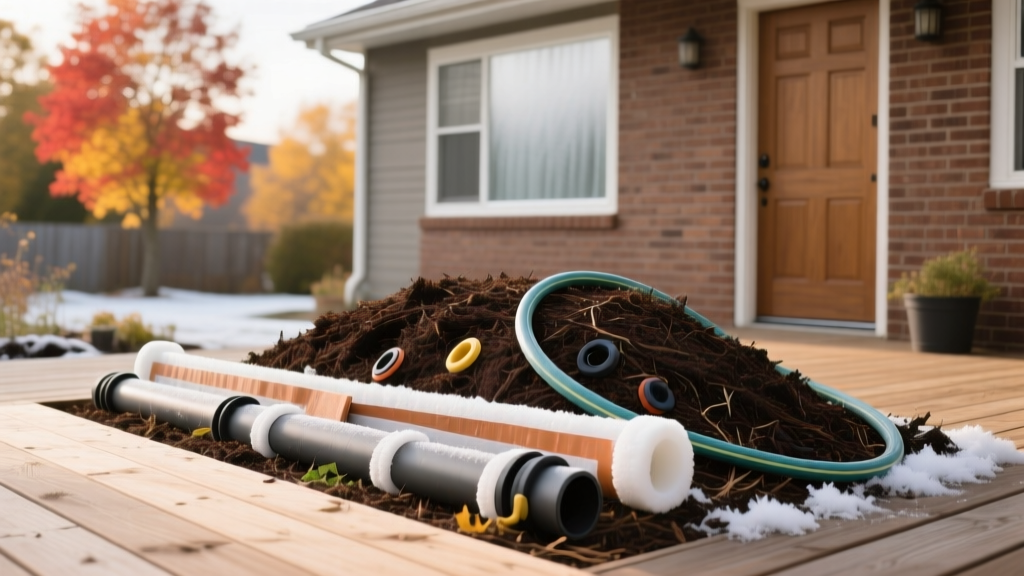
Fall Winterization 2026: Mulch Pipe Insulation & Weatherstripping
Sarah ChenPublished
The Intersection of Mulching Methods and Home Winterization
As we navigate the unpredictable freeze-thaw cycles of the 2026 winter season, the boundary between indoor comfort and outdoor resilience has never been more critical. Homeowners and garden enthusiasts are increasingly looking at holistic property management, recognizing that the health of the landscape and the efficiency of the home envelope are deeply interconnected. While most gardeners associate mulching methods and materials strictly with soil moisture retention, weed suppression, and aesthetic landscaping, organic and inorganic mulches possess remarkable thermal insulating properties. When applied strategically, mulch becomes a vital component of fall home winterization, particularly for protecting vulnerable outdoor plumbing, shallow irrigation lines, and garden transition zones.
Simultaneously, the indoor-outdoor transition points—such as patio doors, mudrooms, and garage entries—require meticulous attention. Advanced weatherstripping techniques ensure that the heat generated inside your home is not lost to the winter winds, while also preventing drafts that can freeze adjacent interior pipes. By combining traditional mulching materials for outdoor pipe insulation with modern weatherstripping solutions, you can create a comprehensive, energy-efficient winterization strategy that safeguards both your garden infrastructure and your home's thermal envelope.
Using Mulch Materials for Outdoor Pipe Insulation
In permaculture design and sustainable home maintenance, utilizing mulch for outdoor pipe insulation is a time-tested method that leverages natural air pockets to trap heat and buffer against extreme cold. Exposed hose bibbs, shallow water lines, and above-ground irrigation manifolds are highly susceptible to bursting when temperatures plummet. While synthetic foam sleeves are common, organic mulching materials offer a biodegradable, dual-purpose alternative that also enriches the surrounding soil come spring.
Straw and Hay Bales for Temporary Enclosures
Straw is one of the most effective insulating mulches available due to its hollow stems, which trap dead air and create a high R-value barrier. For temporary winterization of exposed pipe clusters or wellheads, encasing the fixture in a wire mesh cage and stuffing it loosely with dry straw provides exceptional thermal protection. Unlike hay, which contains seeds that will sprout in your garden beds, straw is clean and easy to remove in the spring. According to the University of Minnesota Extension, applying a thick layer of loose organic mulch creates a vital buffer that moderates soil temperature fluctuations, preventing the deep frost penetration that damages shallow underground utilities.
Wood Chip and Bark Mulch Trenching
For shallow irrigation lines and permaculture swales that run just beneath the soil surface, a heavy application of arborist wood chips or shredded hardwood bark can prevent the ground from freezing solid. By mounding a 6-to-8-inch layer of coarse wood mulch directly over the pipe trench, you create a thermal blanket. The coarse texture of wood chips prevents matting, allowing the soil to breathe while maintaining a stable subterranean temperature. This method is particularly useful for protecting the root zones of cold-sensitive perennials that share trench space with drip irrigation lines.
Comparing Mulch Insulation to Traditional Methods
Understanding the thermal resistance (R-value) of different materials helps you choose the right method for your specific climate zone. Below is a comparison of common insulation materials used for outdoor pipe and garden winterization in 2026.
| Insulation Material | Est. R-Value per Inch | Best Application | Longevity & Cleanup |
|---|---|---|---|
| Dry Straw (Loose) | 1.5 - 2.0 | Above-ground pipe clusters, wellheads | 1 Season (Compostable) |
| Coarse Wood Chips | 1.0 - 1.5 | Shallow trench lines, root zones | 1-2 Years (Decomposes into soil) |
| Shredded Pine Bark | 1.2 - 1.8 | Decorative garden beds with hidden lines | 1-2 Years (Aesthetic & functional) |
| Closed-Cell Foam Sleeves | 4.0 - 6.0 | Direct-to-pipe contact, extreme cold | 5+ Years (Requires removal/storage) |
Weatherstripping the Indoor-Outdoor Transition Zones
While mulch protects the garden's infrastructure, the home's envelope must be secured to prevent heat loss and interior freezing. Transition zones—such as sliding glass patio doors, French doors leading to the garden, and exterior mudroom entries—are notorious for thermal bridging and air infiltration. The U.S. Department of Energy emphasizes that properly sealing air leaks around doors and windows can reduce home energy waste by up to 20%, a crucial factor as heating costs continue to fluctuate in 2026.
Choosing the Right Weatherstripping Materials
Modern weatherstripping has evolved far beyond simple felt strips. For high-traffic garden doors, EPDM (Ethylene Propylene Diene Monomer) rubber and silicone bulb seals are the gold standard. EPDM remains highly flexible even in sub-zero temperatures, ensuring that the seal does not crack or compress permanently over the winter. For the bottom of exterior doors, heavy-duty aluminum threshold sweeps with integrated vinyl or silicone fins provide a physical barrier against snow drifts and freezing winds.
Step-by-Step Weatherstripping Application
To properly winterize your garden-facing doors, follow this actionable sequence:
- Clean and Prep: Remove old, brittle weatherstripping. Clean the door jambs and threshold with a degreaser to ensure maximum adhesion for new materials.
- Apply V-Strip (Tension Seal): For the sides and top of wooden door frames, install self-adhesive V-strip. This material folds into a 'V' shape, springing open to fill gaps when the door is closed, effectively blocking drafts without hindering the door's operation.
- Install Silicone Bulb Seals: For sliding glass patio doors, apply a continuous silicone bulb seal along the vertical meeting rail. This compresses tightly when the door is locked, preventing cold air from bypassing the factory latch seal.
- Upgrade the Door Sweep: Attach a heavy-duty, adjustable threshold sweep to the interior bottom of the door. Ensure it makes firm contact with the threshold without dragging excessively, which can cause premature wear.
Integrated Fall Maintenance Schedule
Timing is everything when it comes to fall home winterization. Waiting until the first hard frost often results in frozen pipes and rushed, ineffective insulation jobs. The EPA WaterSense program recommends winterizing irrigation systems before the first freeze to prevent catastrophic pipe damage. Integrate your mulching and weatherstripping tasks into a cohesive autumn schedule:
- Early Autumn (Late September - Early October): Blow out and drain all shallow irrigation lines. Inspect garden-facing doors and order custom-fit EPDM weatherstripping and threshold sweeps.
- Mid-Autumn (Mid-October): Install weatherstripping on all exterior doors, garage entries, and mudroom portals. Test the seals by closing the doors and checking for light penetration around the perimeters.
- Late Autumn (November): After the first light frost but before the ground freezes solid, apply a 6-inch layer of coarse wood chips over shallow utility trenches and sensitive perennial root zones.
- Pre-Winter (Late November - Early December): Build temporary straw-bale or wire-mesh enclosures around exposed hose bibbs and wellheads. Stuff loosely with dry straw to maximize dead-air insulation.
Conclusion
Effective fall winterization in 2026 requires looking beyond the interior of the home and embracing the landscape as an extension of your property's thermal envelope. By leveraging the natural insulating properties of straw, wood chips, and bark mulch, you can protect vulnerable outdoor plumbing and irrigation systems from devastating freeze-thaw damage. Coupled with high-performance EPDM and silicone weatherstripping on your garden transition doors, these methods ensure that your home remains energy-efficient and your garden infrastructure survives the harshest winter conditions. Implementing these mulching methods and weatherproofing techniques today will save you from costly repairs and ensure a seamless transition into the vibrant spring growing season.
