Home & Garden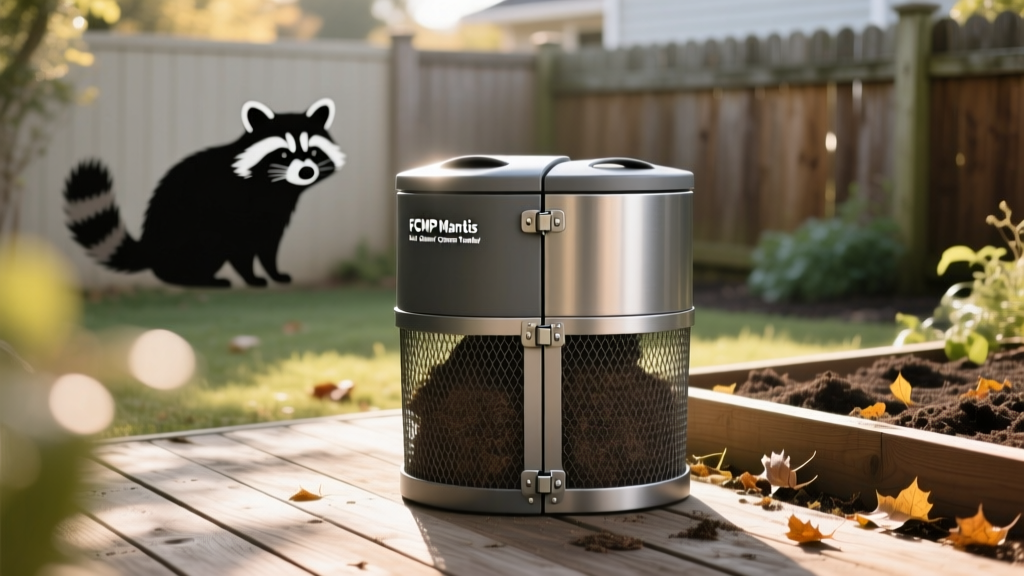
FCMP vs Mantis Dual-Chamber Compost Tumblers: 2026 Review
Mike RodriguezPublished
Wildlife-Safe Composting: The 2026 Tumbler Showdown
As urban and suburban wildlife populations continue to adapt to human environments in 2026, managing the intersection of garden sustainability and animal behavior has never been more critical. Composting is a cornerstone of eco-friendly yard management, but an improperly secured compost bin is essentially a buffet for local fauna. Raccoons, rats, opossums, and even bears are drawn to the scent of decomposing organic matter. When wildlife becomes habituated to human-provided food sources, it leads to dangerous human-wildlife conflicts. According to the National Wildlife Federation, unintentional feeding through unsecured trash and compost is a leading driver of urban wildlife habituation and subsequent conflict.
To mitigate these risks, enclosed dual-chamber compost tumblers have become the gold standard for homeowners. They elevate the composting process off the ground, away from burrowing rodents, and enclose the odors that attract larger scavengers. In this comprehensive 2026 guide, we are comparing two of the most popular models on the market from a strict wildlife management perspective: the FCMP Outdoor Dual-Chamber Tumbler and the Mantis Dual-Chamber Compost Tumbler. Which one truly keeps the raccoons out and the rats at bay?
The Biology of Scavenger Attraction
Before dissecting the hardware, it is vital to understand what draws animals to your yard. Wildlife relies heavily on olfactory cues to locate high-calorie food sources. When a compost pile becomes anaerobic (lacking oxygen), it produces volatile organic compounds like ammonia and hydrogen sulfide. These compounds smell like rotting garbage, which signals to opportunistic omnivores like raccoons and coyotes that an easy meal is available.
The Environmental Protection Agency (EPA) emphasizes that maintaining a proper carbon-to-nitrogen ratio and ensuring adequate aeration are the best ways to prevent the foul odors that attract wildlife. Both the FCMP and Mantis tumblers are designed to facilitate aeration through spinning, but their physical security features dictate whether a determined animal can bypass the biological deterrents.
FCMP Outdoor Dual-Chamber Tumbler: Wildlife Resistance Analysis
The FCMP Outdoor brand has been a staple in the composting industry for years. Their dual-chamber model, featuring a total capacity of roughly 37 gallons, is constructed from BPA-free, UV-protected polypropylene and supported by a galvanized steel frame. From a wildlife management perspective, the FCMP offers several distinct advantages and a few notable vulnerabilities.
Pros for Animal Deterrence
- Elevated Design: The galvanized steel stand elevates the drum approximately 2.5 feet off the ground. This completely eliminates access for ground-foraging rodents like mice and voles, and prevents rabbits from nesting underneath the pile.
- Deep Tumbling Fins: The internal fins break up clumps and aerate the pile efficiently. Faster decomposition means the food scraps spend less time in their highly attractive, raw state, reducing the window of opportunity for scent-based wildlife attraction.
- Thick Polypropylene Shell: The plastic used is thick enough to deter rats and squirrels from simply chewing through the walls of the bin, a common issue with cheaper, thin-walled composters.
Wildlife Vulnerabilities
The primary weakness of the FCMP model lies in its sliding access doors. Raccoons possess incredibly dexterous front paws with a sense of touch that allows them to manipulate complex latches. The FCMP sliding door relies on a simple drop-pin and slide mechanism. While sufficient to keep out birds and squirrels, a persistent, heavy raccoon can sometimes wedge its paws into the sliding track and force the door open if the drop-pin is not fully seated. In areas with high raccoon density, homeowners often have to add a secondary bungee cord or carabiner lock to the FCMP doors for peace of mind.
Mantis Dual-Chamber Compost Tumbler: Pest Deterrence Analysis
The Mantis Dual-Chamber Tumbler (often holding around 30 gallons total) takes a slightly different approach to design. Known for its compact footprint and tubular steel frame, the Mantis is heavily favored by urban gardeners dealing with high densities of rats and neighborhood cats. As of 2026, supply chain stabilization has made the Mantis widely available again, bringing it back to a competitive price point for wildlife-conscious homeowners.
Pros for Animal Deterrence
- Secure Latching Mechanism: Unlike the sliding doors of the FCMP, the Mantis utilizes a hinged door with a positive-locking pin system. This requires a multi-step physical manipulation (lifting and pulling) that is exceedingly difficult for raccoons and opossums to figure out. It is widely considered the superior latch for clever mammalian scavengers.
- Compact Footprint: Because it takes up less visual and physical space, it can be placed closer to the home or on a patio. Wildlife experts recommend keeping attractants like compost closer to high-traffic human areas, as most nocturnal scavengers prefer to forage in secluded, quiet zones.
- Sealed Seams: The Mantis drum features tightly sealed seams where the two chambers meet, leaving virtually no gaps for the tiny teeth of urban rats to exploit.
Wildlife Vulnerabilities
The Mantis tumbler sits slightly lower to the ground than the FCMP. While still elevated enough to deter most rodents from nesting directly beneath it, the lower clearance can sometimes allow larger rats or neighborhood cats to hide in the shadow of the composter. Furthermore, the smaller capacity (15 gallons per chamber) means that if a homeowner adds a massive influx of nitrogen-rich kitchen scraps without enough carbon-rich browns, the smaller volume can quickly go anaerobic, creating a spike in odor that will test the limits of the bin's physical security.
Head-to-Head Wildlife Comparison Chart (2026)
| Feature | FCMP Outdoor Dual-Chamber | Mantis Dual-Chamber |
|---|---|---|
| Total Capacity | 37 Gallons | 30 Gallons |
| Frame Material | Galvanized Steel | Tubular Powder-Coated Steel |
| Door Mechanism | Sliding Door with Drop-Pin | Hinged Door with Locking Pin |
| Raccoon Resistance | Moderate (May require secondary lock) | High (Complex latch deters paws) |
| Rodent Chew Resistance | High (Thick PP plastic) | High (Thick PP, tight seams) |
| Ground Clearance | ~30 inches (Excellent) | ~24 inches (Good) |
| Estimated 2026 Price | $120 - $140 | $150 - $170 |
Best Practices for Animal-Proofing Your Compost Routine
Even the most secure tumbler on the market will fail if the user's composting habits actively broadcast food scents into the neighborhood. The Cornell Waste Management Institute notes that the biological management of the compost pile is just as important as the physical container. To ensure your yard remains a safe haven for beneficial pollinators rather than a magnet for scavengers, follow these 2026 wildlife management protocols:
1. Master the Carbon-to-Nitrogen Ratio
Never add kitchen scraps (nitrogen/greens) without immediately covering them with a heavy layer of carbon-rich browns (shredded cardboard, dry autumn leaves, or wood chips). This 'bio-filter' layer traps odors inside the pile, preventing the scent of fruit and vegetable peels from drifting into the woods and attracting coyotes or bears.
2. Strict Prohibition of Animal Products
Under no circumstances should meat, dairy, bones, or cooking oils enter a residential compost tumbler. These materials decompose slowly, produce rancid odors, and are the primary attractants for dangerous predators and severe rodent infestations. Stick strictly to plant-based matter.
3. Strategic Placement and Hardscaping
Place your tumbler on a hard surface like a concrete patio or a gravel pad rather than directly on soil. Gravel pads deter burrowing animals from attempting to dig up any compost leachate (liquid runoff) that might seep into the earth. Additionally, keep the tumbler at least 10 feet away from wooden fences or low-hanging tree branches, which raccoons and squirrels use as aerial highways to bypass ground-level obstacles.
4. Clean the Exterior
Spilled compost tea or food scraps on the outside of the tumbler will draw ants, wasps, and eventually larger animals. Wipe down the exterior of the FCMP or Mantis drum with a vinegar-water solution after every loading session to eliminate residual scent trails.
The Verdict for Yard Animal Management
When evaluating the FCMP Outdoor Dual-Chamber Tumbler against the Mantis Dual-Chamber Compost Tumbler strictly through the lens of wildlife and yard animal management in 2026, the Mantis takes a narrow but decisive victory. While the FCMP offers superior ground clearance and a slightly larger volume for processing heavy yard waste, its sliding door mechanism remains a vulnerability in neighborhoods with bold, intelligent raccoon populations. The Mantis tumbler's hinged, positive-locking pin system provides a much higher degree of mechanical security against dexterous paws, and its tightly sealed seams offer excellent peace of mind against urban rats.
Final Thoughts
Ultimately, managing wildlife in the garden is about removing temptation. By investing in a high-quality, enclosed dual-chamber tumbler like the Mantis or a properly secured FCMP, and by adhering to strict aerobic composting practices, you protect both your garden's soil health and the local ecosystem. Keeping wildlife wild, and out of your compost, ensures a safer, more balanced outdoor living environment for years to come.
