Home & Garden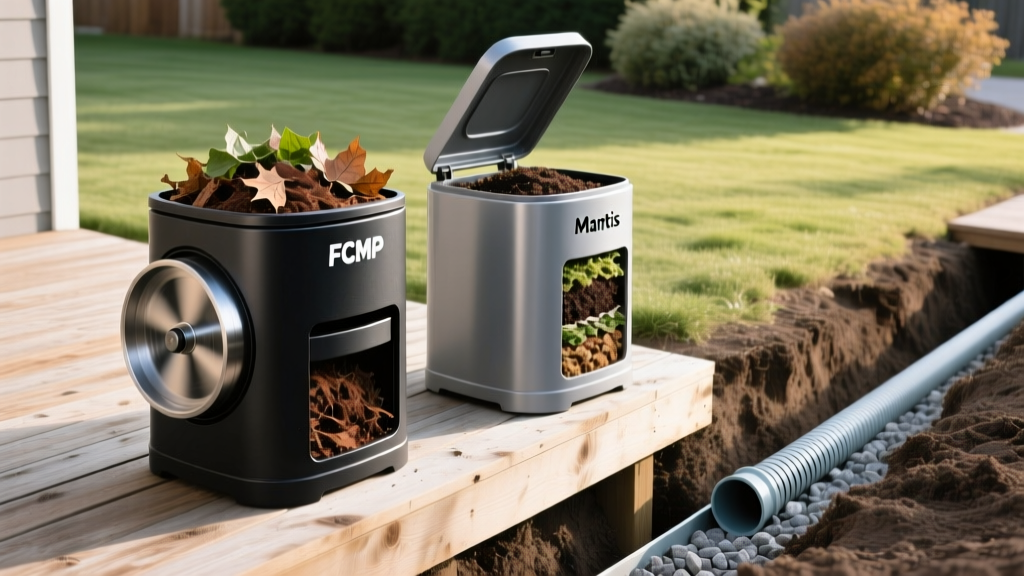
FCMP vs Mantis Compost Tumblers for French Drain Projects 2026
Robert HayesPublished
The Intersection of French Drain Installation and Composting
Installing a French drain in 2026 remains one of the most effective, high-ROI landscaping projects for combating persistent yard flooding, reducing soil erosion, and protecting your home's foundation from hydrostatic pressure. However, any homeowner or DIY landscaper who has undertaken a French drain installation knows the messy reality of the excavation process. Trenching 18 to 24 inches deep through your yard generates massive amounts of displaced sod, tangled root systems, and heavy organic topsoil. Instead of paying exorbitant 2026 landfill tipping fees to haul this organic material away, savvy homeowners are turning to high-capacity compost tumblers to recycle their excavated yard waste.
Furthermore, a French drain system is only as good as its discharge point. Modern landscaping best practices dictate that drain outlets should terminate in a rain garden or bioswale to naturally filter and absorb the runoff. To build a thriving, water-absorbent rain garden, you need nutrient-rich, well-draining compost. This is where the debate between the FCMP Outdoor Hot Compost Tumbler and the Mantis Dual-Chamber Compost Tumbler becomes highly relevant. Which tumbler is best suited for the unique demands of a French drain excavation and restoration project? Let us break down the specifications, benefits, and ideal use cases for both models.
The French Drain Waste Problem: Why You Need a Tumbler
When you dig a trench for a French drain, you are not just moving dirt; you are displacing the top layer of your lawn's ecosystem. The excavated material typically consists of:
- Intact Sod and Turf: Thick mats of grass and thatch that take years to break down in a static pile.
- Subsoil and Clay: Heavy, dense material that requires aeration and organic matter to become usable again.
- Root Systems and Weeds: Invasive roots that can regrow if not subjected to the high heat of active composting.
According to the EPA's guidelines on composting basics, maintaining the proper balance of carbon, nitrogen, moisture, and oxygen is critical for breaking down tough organic matter and killing weed seeds. A compost tumbler provides the necessary aeration and heat retention to process heavy, wet sod and clay excavated from your drainage trenches, turning a landscaping headache into valuable soil amendment.
FCMP Outdoor Hot Compost Tumbler: The Bulk Excavation Champion
The FCMP Outdoor Hot Compost Tumbler (frequently recognized by its iconic green and black design) is a single-chamber, high-capacity unit that holds up to 37 gallons of material. For a French drain project, the FCMP shines during the initial, heavy excavation phase. When you are spending a full weekend digging a 50-foot trench, you generate a massive volume of waste all at once. The FCMP allows you to dump large chunks of sod, shovel-loads of topsoil, and fallen leaves into a single, cavernous bin.
Pros for Drainage Projects
- High Volume Capacity: Easily swallows the bulk waste generated during the primary trenching weekend.
- Deep Ribs and Baffles: The interior features deep fins that break up heavy, wet clods of clay and sod every time you spin the drum, ensuring the dense trench waste does not compact into an anaerobic brick.
- Heat Retention: The dark color and enclosed design help the compost reach thermophilic temperatures (130°F to 160°F), which is essential for killing off the invasive weed seeds and rhizomes often found in yard excavations.
Cons for Drainage Projects
- Single Chamber Limitation: Once the bin is full of weekend excavation waste, you cannot add the daily kitchen scraps or smaller yard clippings generated during the multi-week pipe-laying and backfilling process without disrupting the curing cycle.
- Weight Issues: When filled with heavy, wet clay soil from the bottom of a French drain trench, the 37-gallon drum can become exceedingly heavy to spin manually.
2026 Estimated Pricing: $120 - $140 depending on seasonal retailer promotions.
Mantis Dual-Chamber Tumbler: The Continuous Restoration Companion
The Mantis Dual-Chamber Compost Tumbler takes a different approach, offering two separate 25-gallon bins (50 gallons total) mounted on a single, sturdy frame. For a French drain installation that spans multiple weekends—or for homeowners who are simultaneously managing the drain excavation and preparing the discharge rain garden—the Mantis is a game-changer.
Pros for Drainage Projects
- Continuous Batch Processing: You can fill Chamber A with the heavy sod and roots from the first weekend of trenching. The following weekend, as you lay the perforated pipe and gravel, you can fill Chamber B with finer topsoil and leaf mold. This ensures you always have an active batch and a curing batch.
- Easier Turning Mechanism: Because the weight is distributed across two smaller chambers, the Mantis is significantly easier to spin, even when filled with dense, moisture-heavy soil excavated from the drainage trench.
- Targeted Soil Blending: You can use one chamber to compost the heavy clay subsoil (mixing it with peat moss and nitrogen sources) and the other chamber to compost the organic topsoil and sod. This gives you two distinct soil amendments for different parts of your landscape restoration.
Cons for Drainage Projects
- Smaller Individual Capacity: You cannot dump an entire wheelbarrow full of massive, unbroken sod clumps into one chamber without chopping them up first. It requires a bit more prep work with a spade or mattock before loading.
2026 Estimated Pricing: $160 - $190, reflecting its more complex steel frame and dual-drum engineering.
Head-to-Head Comparison: FCMP vs. Mantis
| Feature | FCMP Hot Compost Tumbler | Mantis Dual-Chamber |
|---|---|---|
| Total Capacity | 37 Gallons (Single Bin) | 50 Gallons (Two 25-Gal Bins) |
| Best Drainage Phase | Initial Bulk Excavation & Sod Removal | Multi-Weekend Pipe Laying & Restoration |
| Turning Ease | Moderate (Heavy when filled with wet clay) | High (Weight distributed, easier to spin) |
| Aeration Design | Deep interior baffles for breaking clods | Adjustable air vents and internal spikes |
| Footprint | Compact, lower profile | Wider, requires more lateral yard space |
| 2026 Avg. Price | ~$130 | ~$175 |
Integrating Compost into Your French Drain Discharge Zone
The true value of these compost tumblers in a French drain project is realized at the end of the drainage line. Simply daylighting a French drain pipe onto a bare slope can lead to severe erosion. Instead, modern landscaping relies on green infrastructure. According to the EPA's Green Infrastructure guidelines, utilizing natural systems like rain gardens and bioswales to absorb stormwater runoff reduces the burden on municipal sewer systems and filters out pollutants.
Once your FCMP or Mantis tumbler has broken down the excavated sod and topsoil into rich, crumbly compost, you will use it to construct a rain garden at your French drain's outlet. The University of Minnesota Extension recommends a specific soil mix for rain gardens—typically a blend of sand, topsoil, and compost—to ensure the water from your French drain percolates quickly into the ground while providing nutrients to deep-rooted, water-loving native plants like swamp milkweed, blue flag iris, and cardinal flower.
Step-by-Step: Processing French Drain Waste in Your Tumbler
- Chop the Sod: Before tossing excavated sod into the tumbler, use a sharp spade to chop it into 2-inch strips. This exposes the root systems and soil microbes to oxygen, accelerating the breakdown process.
- Balance the Carbon-to-Nitrogen Ratio: Trench soil and dead roots are high in carbon. Add nitrogen-rich materials like fresh grass clippings (from the lawn you just mowed before digging) or a commercial compost starter to heat up the tumbler.
- Manage Moisture: Soil excavated from the bottom of a French drain trench is often saturated. Leave the tumbler vents open for the first few days to allow excess moisture to evaporate, preventing anaerobic odors.
- Spin Daily: For the first two weeks, give the tumbler 5 to 10 full rotations daily. This is crucial for preventing the heavy clay from compacting into a solid mass.
Final Verdict for 2026 Landscaping Overhauls
Choosing between the FCMP and the Mantis dual-chamber compost tumbler ultimately depends on the scale and timeline of your French drain installation. If you are hiring a mini-excavator or tackling a massive, single-weekend trenching project that generates mountains of bulk sod and heavy clay, the FCMP Outdoor Hot Compost Tumbler is your best bet. Its cavernous single bin and aggressive interior baffles are perfectly designed to handle large, unrefined chunks of yard waste and heat them up rapidly to kill off trench weeds.
However, if your French drain installation is a methodical, multi-weekend DIY project, or if you are heavily focused on the precision soil-blending required for a high-performance rain garden at the discharge point, the Mantis Dual-Chamber Tumbler is the superior tool. The ability to segregate your heavy clay subsoil from your organic topsoil, combined with the ease of turning two smaller, balanced drums, makes the Mantis an indispensable ally for the detail-oriented landscaper. Whichever you choose in 2026, keeping your excavated organic matter on-site and transforming it into a water-filtering rain garden is the hallmark of a truly sustainable, modern landscape.
