Home & Garden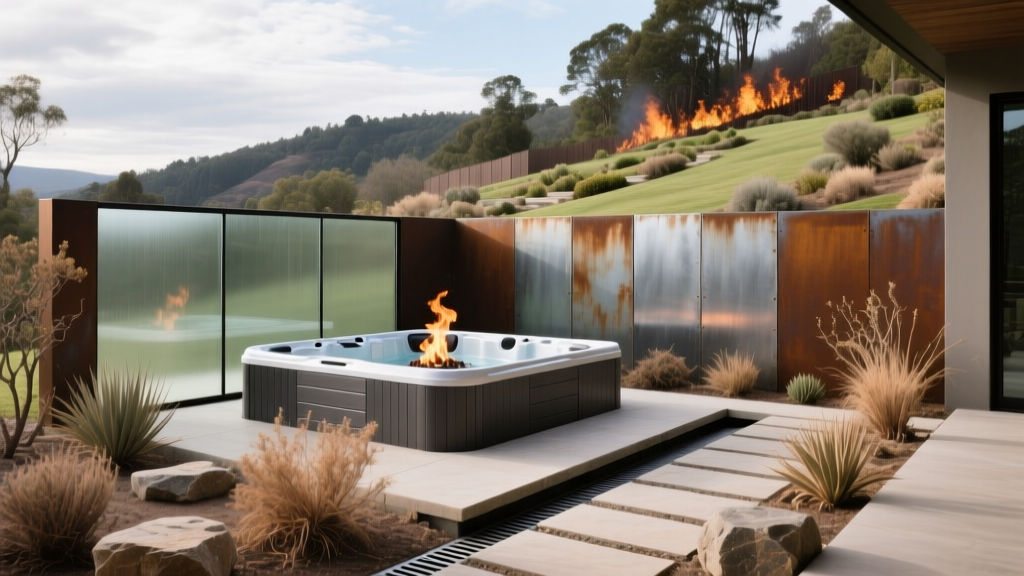
2026 Fire-Resistant Hot Tub Privacy Screens & Drainage
Robert HayesPublished
The Intersection of Luxury and Wildfire Defense in 2026
As we navigate the 2026 landscaping season, the integration of luxury outdoor amenities with stringent wildfire defense protocols has never been more critical. For homeowners in the Wildland-Urban Interface (WUI), installing a hot tub is no longer just about pouring a concrete pad and plugging in a 240-volt outlet. It requires a holistic approach to outdoor living that bridges relaxation with resilience. Specifically, the design of your hot tub privacy screen and the underlying drainage planning must work in tandem to create a defensible, fire-resistant sanctuary.
Many homeowners mistakenly believe that because a hot tub is filled with water, the immediate area is inherently fire-safe. However, the surrounding decking, privacy enclosures, and the soil conditions dictated by drainage patterns play a massive role in your property's vulnerability to wind-blown embers. According to the Ready for Wildfire home hardening standards, the first five feet around any structure or major outdoor fixture—known as Zone 0—must be strictly non-combustible. This guide will walk you through the exact materials, grading techniques, and planting strategies required to build a fire-safe hot tub oasis in 2026.
Why Drainage is a Hidden Fire Hazard
At first glance, drainage and fire resistance might seem like unrelated concepts. However, in fire-prone regions, poor water management is a primary catalyst for structural vulnerability. When hot tub runoff, splash-out, and seasonal rain are not properly diverted, water pools beneath and around your decking and privacy screens.
This persistent moisture accelerates the rot and decay of wooden posts, deck joists, and lattice screens. When the dry summer months arrive, this rotted wood dries out completely, transforming into highly combustible tinder. Embers from a distant wildfire can easily ignite dry, decayed wood trapped in poorly drained joints. Furthermore, standing water kills drought-tolerant, fire-retardant plants, leaving you with dead, dry brush right next to your hot tub. Proper drainage ensures your hardscaping remains intact and your fire-resistant plantings stay healthy and hydrated, acting as a biological firebreak.
The 2026 Drainage Planning Protocol
To protect your investment and maintain a defensible space, your hot tub pad and privacy screen footings must be integrated into a comprehensive drainage system. Here are the actionable specifications for 2026:
- Surface Grading: The hot tub pad and surrounding hardscape must be graded at a minimum slope of 1/4 inch per foot away from the home and the privacy screen footings. This prevents water from undermining the structural integrity of your fire-resistant walls.
- French Drain Integration: Install a 4-inch corrugated HDPE (High-Density Polyethylene) pipe wrapped in non-woven geotextile fabric along the base of the privacy screen. This captures splash-out and rainwater before it can pool against the screen's foundation.
- Non-Combustible Backfill: Instead of using wood mulch to cover your drainage trenches, use 3/4-inch washed drain gravel. Gravel is entirely non-combustible, allowing water to percolate while simultaneously satisfying the CAL FIRE's Defensible Space guidelines for a non-flammable Zone 0 ground cover.
- Permeable Pavers: For the extended patio area around the hot tub, utilize permeable concrete pavers set over a crushed rock base. This allows surface water to drain instantly into the soil below, eliminating the puddles that cause adjacent wooden structures to rot and become fire hazards.
Designing Fire-Resistant Privacy Screens
Privacy is essential for a hot tub, but traditional wood lattices, bamboo rolls, and highly flammable climbing vines like bougainvillea or jasmine act as vertical wicks, capable of carrying ground fires directly to your roofline. In 2026, WUI building codes heavily restrict the use of combustible fencing within 10 feet of a primary structure or major electrical fixture.
Top Fire-Safe Screen Materials for 2026
When selecting a privacy screen, you must prioritize materials that will not ignite, melt, or off-gas toxic fumes when exposed to radiant heat or direct ember contact.
- Corten Steel Panels: Weathering steel is the premier choice for modern, fire-proof privacy screens. Corten steel develops a protective rust patina that seals the metal, requiring zero maintenance and offering absolute fire resistance. Laser-cut geometric patterns allow for airflow—which dissipates heat and prevents ember accumulation—while maintaining visual privacy.
- Masonry and Stucco Walls: A cinder block wall finished with fire-rated stucco provides an impenetrable barrier against both wind and embers. Incorporating built-in LED lighting and recessed planter boxes into the masonry design eliminates the need for combustible wooden light posts or trellises.
- Fire-Rated Composite Fencing: While traditional wood is out, advanced 2026 composite materials (like specific lines from Trex or TimberTech) are now manufactured with fire-retardant core technologies. However, you must verify that the specific product carries a Class A or Class B fire rating and is approved for WUI zones by your local building authority. Always pair composite panels with steel posts rather than wood posts.
- Tempered Glass Panels: For a sleek, modern look that doesn't block your view of the stars, framed tempered glass panels set in aluminum or steel frames offer excellent wind and ember protection while remaining completely non-combustible.
Material Comparison Chart: Privacy Screens
| Material | Fire Resistance | 2026 Avg. Cost (Per Lin. Ft.) | Maintenance Level | WUI Zone Compliance |
|---|---|---|---|---|
| Corten Steel Panels | Non-Combustible | $180 - $280 | Very Low | Zone 0 & 1 Approved |
| Masonry / Stucco | Non-Combustible | $120 - $200 | Low | Zone 0 & 1 Approved |
| WUI-Rated Composite | Class A / B Rated | $90 - $150 | Low | Zone 1 (Check Local) |
| Traditional Cedar Wood | Highly Combustible | $45 - $85 | High | Prohibited in Zone 0/1 |
| Bamboo Roller Screens | Extreme Hazard | $15 - $30 | High | Prohibited in WUI |
Fire-Safe Landscaping Around the Screen
The area immediately surrounding your privacy screen and hot tub pad must be landscaped with fire behavior in mind. The NFPA Firewise USA program emphasizes the importance of creating 'lean, clean, and green' zones around outdoor living spaces.
What to Plant (and What to Avoid)
Avoid planting arborvitae, juniper, rosemary, or ornamental grasses near your hot tub screen. These plants contain volatile oils and resins that can ignite explosively when hit by a stray ember. Similarly, never allow climbing vines to scale your privacy screen, as they create a continuous fuel ladder.
Instead, utilize high-moisture, low-resin succulents and groundcovers. Agave, aloe vera, sedum, and ice plant are excellent choices. Because your drainage system is properly managing the water runoff from the hot tub, you can strategically route this splash-out into a dry river bed lined with river rock, where moisture-loving but fire-retardant plants like hostas or daylilies can thrive in a controlled, non-combustible environment.
Mulching Rules for 2026
Never use shredded bark, pine needles, or wood chips within 10 feet of your hot tub or privacy screen. Wind-blown embers can easily lodge in wood mulch, smoldering undetected for hours before igniting the surrounding landscape. Replace all organic mulch in the hot tub zone with inorganic, non-combustible alternatives such as decomposed granite, crushed basalt, or smooth river cobble. These materials not only eliminate the fire hazard but also allow for excellent surface drainage, keeping the base of your privacy screen dry and rot-free.
Step-by-Step Implementation Plan
To bring this fire-resistant vision to life, follow this sequential installation plan:
- Site Excavation & Grading: Excavate the hot tub area to a depth of 8 inches. Compact the sub-base and ensure a 1/4-inch per foot slope away from the home and planned screen locations.
- Drainage Trenching: Dig a 12-inch deep trench along the perimeter where the privacy screen will be installed. Lay the geotextile fabric, place the 4-inch HDPE pipe, and cover with washed gravel to create a hidden French drain.
- Footings & Hardscape: Pour concrete footings for your Corten steel or masonry screen, ensuring they sit above the gravel drainage layer. Install your permeable pavers or stamped concrete pad for the hot tub.
- Screen Erection: Anchor your fire-resistant privacy screen using galvanized or stainless steel hardware. Ensure no combustible wood blocking is used behind metal panels.
- Electrical & Plumbing Integration: Have a licensed electrician install the 240V GFCI-protected circuit in a weatherproof, non-combustible enclosure mounted to a masonry or steel post, never to a wooden fence.
- Fire-Safe Planting: Plant your succulent border and cover all exposed soil with 2-3 inches of decomposed granite or river rock.
Conclusion
Designing a hot tub oasis in a fire-prone region requires a shift in how we view outdoor landscaping. By treating drainage as a critical component of structural fire defense and selecting non-combustible, modern materials for your privacy screens, you can enjoy unparalleled luxury without compromising your home's safety. As wildfire seasons continue to challenge homeowners, adhering to the 2026 WUI standards and defensible space principles ensures your backyard retreat remains a sanctuary, not a liability.
